Which Flavours Actually Change with Miracle Berry? A Clear, Honest Guide
Curious which flavours miracle berry really changes? Learn the science behind the sour-to-sweet shift and which foods you''ll actually notice a difference with.
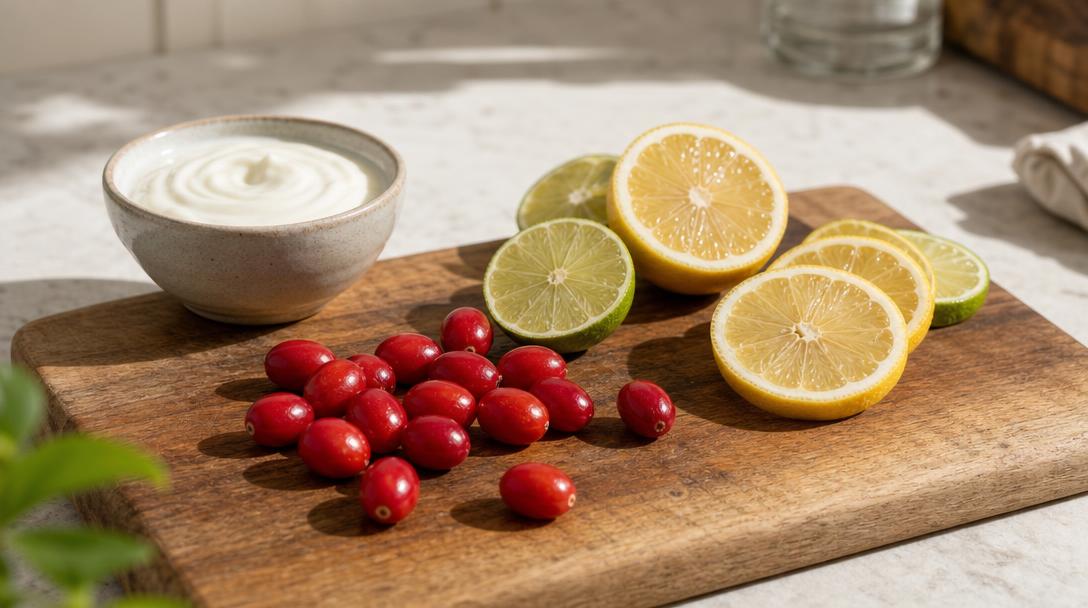
If you have heard about miracle berry and the way it can make sour foods taste surprisingly sweet, you might be wondering exactly which flavours are affected and which ones are not. It is a fair question, and one that deserves a clear, honest answer rather than exaggerated claims. The short version is this: miracle berry works most noticeably on foods and drinks that are distinctly sour or acidic. Everything else stays pretty much the same. Understanding why that happens makes the whole experience a lot more interesting.
The Science Behind the Flavour Shift
Miracle berry contains a glycoprotein called miraculin. When you dissolve a miracle berry tablet on your tongue, or let dried miracle berry or miracle berry powder coat your taste receptors, miraculin binds to the sweet-taste receptors in your mouth. Under normal, neutral pH conditions, miraculin sits there quietly and does not trigger a sweet signal on its own.
The moment something acidic enters your mouth, however, the pH drops. That drop in pH causes miraculin to change shape slightly, and in doing so it activates those sweet receptors. Your brain receives a sweet signal even though no sugar is present. The more acidic the food or drink, the stronger and more reliable that sweet perception tends to be. Once your saliva brings your mouth back to a neutral pH, the effect fades and your normal taste returns.
This mechanism is specific. It is not a general flavour-scrambler. It targets the interaction between acidity and sweet receptors, which is why the experience is so consistent and predictable when you eat the right foods.
Foods and Drinks Where You Will Notice a Real Difference
The flavour shift is most dramatic with foods and drinks that have a genuinely sharp, sour, or acidic character. Here are reliable examples that people report transforming noticeably:
- Citrus fruits such as lemons, limes, grapefruits, and sour oranges are the classic miracle berry pairing. A wedge of raw lemon can taste like lemonade made with plenty of sugar.
- Plain unsweetened yogurt has enough lactic acid to register a clear sweet shift. Full-fat Greek yogurt in particular can taste almost like a dessert cream.
- Vinegar-based foods such as pickles or a small splash of apple cider vinegar may taste noticeably milder and sweeter than expected.
- Sour berries like gooseberries, unripe strawberries, or tart cherries become much more pleasant to eat.
- Kombucha and other fermented drinks with a pronounced acidic tang often taste fruitier and sweeter.
- Tamarind and other naturally tart fruits or pastes respond well to the effect.
- Dry white wine or sour craft beers may taste smoother, though results vary depending on the product.
The common thread is clear acidity. If a food or drink makes you pucker or wince when you eat it normally, there is a strong chance miracle berry will soften or transform that sourness into something sweet.
Low-Acid Foods: What to Expect (and What Not to Expect)
This is where it is important to be straightforward. Miracle berry does not make all food taste sweet. If a food is not acidic to begin with, miraculin has very little to activate, and the taste experience stays close to normal.
Plain cooked white rice, for example, is a starchy, low-acid food. Eating it after a miracle berry tablet will not make it taste like a dessert. Unsweetened soy milk sits at a relatively neutral pH, so do not expect it to suddenly taste sweetened. Plain bread and plain crackers are similarly low in acid, and the effect on them is minimal to none. Black coffee is a nuanced case: it does contain some acids, but its dominant character is bitterness and roast flavour rather than sharp sourness, and most people do not report a dramatic sweet transformation from black coffee the way they do from lemon juice.
If you are planning a miracle berry tasting session, centering your spread around genuinely sour and acidic foods will give you the most memorable and consistent results. Building expectations around low-acid staples is likely to lead to disappointment.
What About Bitter and Spicy Flavours?
This is another area worth addressing honestly. Miraculin does not have a known, documented mechanism for modifying bitterness or spiciness. Bitter compounds interact with an entirely different family of taste receptors, and capsaicin, the compound responsible for heat in chilli peppers, works through pain and temperature receptors rather than taste receptors at all.
Some people report that certain bitter foods feel slightly more tolerable after using miracle berry, but this is not a reliable or well-documented effect, and it is likely explained by the fact that some bitter foods also carry a degree of acidity. Dark chocolate, for instance, has both bitterness and mild acidity, so any perceived change is probably coming from the acidic component rather than any direct effect on bitterness itself. Spicy foods remain spicy. Do not expect miracle berry to cool down a hot chilli or transform a bitter medicine.
How to Get the Most from Your Miracle Berry Experience
Whether you are using miracle berry tablets, miracle berry powder, or dried miracle berry, the approach is essentially the same. Let the product fully dissolve or coat your tongue before eating. Swish it around gently so it makes contact with as many taste receptors as possible. Then wait about thirty seconds before introducing acidic foods.
For the best results, prepare a tasting board that leans heavily into sour and acidic flavours: citrus slices, plain yogurt, sour candies without added sugar, tart fruit, or a small cup of lemon juice to taste on its own. Keep a glass of water nearby. Rinse between foods if you want a clean read on each one. The effect typically lasts between fifteen minutes and about an hour, gradually fading as your saliva neutralises your mouth.
Miracle berry powder is a flexible option if you want to blend it into recipes or sprinkle it onto fruit before eating. Dried miracle berry offers a whole-fruit experience if you prefer something more traditional. Miracle berry tablets are convenient for on-the-go use or sharing at a tasting event.
FAQ
Q: Will miracle berry make plain water taste sweet? A: No. Plain water has no acidity and contains no flavour compounds for miraculin to interact with. It will taste like water.
Q: Does the effect work on all sour foods equally? A: The strength of the effect generally corresponds to how acidic the food is. Very sour foods like raw lemon juice produce a more dramatic shift than mildly tart foods. Very low-acid foods may show no noticeable change at all.
Q: Can I use miracle berry powder the same way as a miracle berry tablet? A: Yes. Miracle berry powder works through the same mechanism. Dissolve or distribute it on your tongue before eating, give it a moment to coat your taste receptors, and then enjoy your sour or acidic foods as you normally would.
Interested in miracle berry products, wholesale, or OEM cooperation? Contact Sen Yuh Farm to learn more.
Contact Sen Yuh Farm