Designing Sugar-Conscious Tasting Menus: A Guide for Modern Food Businesses
Learn how restaurants, cafes, and food brands can create engaging tasting experiences that appeal to sugar-conscious consumers without compromising on flavor enjoyment.
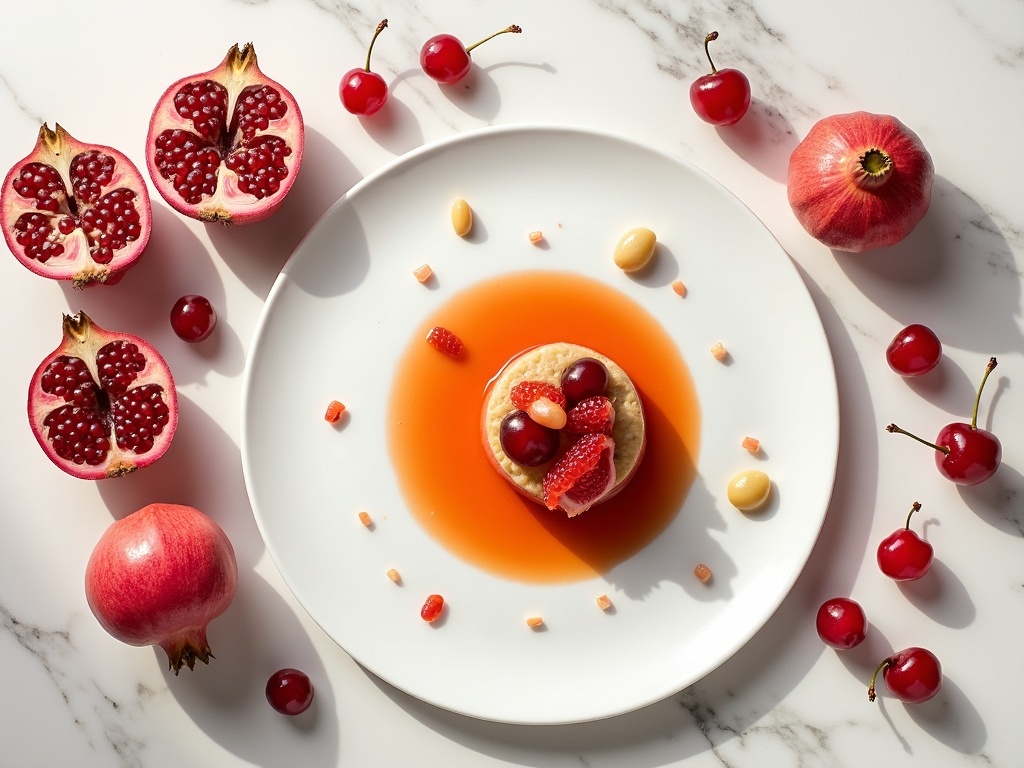
# Designing Sugar-Conscious Tasting Menus: A Guide for Modern Food Businesses
The dining experience has evolved. Today's consumers—particularly those in wellness-focused communities—want more than just food. They want memorable experiences that align with their lifestyle choices, including their preference for reduced-sugar options.
If you're a restaurant owner, cafe manager, beverage brand developer, or food entrepreneur, you've likely noticed the shift: guests are asking questions about sugar content, requesting modifications, and gravitating toward businesses that offer thoughtful alternatives. The challenge isn't just to reduce sugar. It's to create tasting experiences that feel indulgent, exciting, and craveable—not like a compromise.
This guide explores how to design tasting menus and experiences that attract sugar-conscious consumers while maintaining the emotional connection people have with food.
Why Tasting Menus Appeal to Today's Health-Conscious Consumers
Tasting menus—curated sequences of small, carefully crafted dishes—have long been the domain of fine dining. But they're becoming increasingly relevant for health-focused food businesses.
Here's why:
- Control and transparency: Customers appreciate knowing exactly what they're tasting and why, which builds trust
- Portion psychology: Smaller portions of high-quality, flavorful ingredients feel more satisfying than large servings of ordinary food
- Discovery and engagement: Tasting sequences encourage dialogue, storytelling, and deeper connection to ingredients
- Flexibility: You can design experiences around specific preferences (sugar-conscious, citrus-forward, fermented foods, functional ingredients)
- Premium positioning: Tasting experiences justify higher price points while emphasizing quality over quantity
For sugar-conscious businesses, this format is ideal because it shifts the narrative from "what we removed" to "what we're celebrating."
Building Your Sugar-Conscious Tasting Menu Framework
Start with Flavor-First Thinking
The biggest mistake businesses make when reducing sugar is leading with restriction. Instead, lead with flavor intensity.
Consider these approaches:
- Sour and umami flavors: Citric acid, fermented elements, and savory umami notes naturally satisfy without added sugar
- Aromatic ingredients: Herbs, spices, floral notes, and essential oils create complexity and perceived sweetness
- Texture play: Crispy, creamy, smooth, and crunchy elements make experiences memorable beyond taste alone
- Functional ingredients: Natural, recognizable components (citrus, berries, ginger, matcha) appeal to health-conscious diners
Structure Around Taste Experiences, Not Restrictions
Instead of labeling items "sugar-free" or "low-sugar," describe them by the experience:
- "A citrus-forward palate cleanser"
- "An exploration of fermented flavors"
- "A berry tasting featuring natural tartness"
- "A functional beverage journey"
This language positions your menu as innovative rather than restrictive.
Practical Applications for Different Food Businesses
For Cafes and Coffee Shops
Create a "Flavor Discovery Hour" or afternoon tasting:
- Pair single-origin coffees or specialty teas with small savory bites
- Feature a rotating selection of sour or tart fruit preparations
- Offer herbal infusions paired with naturally flavored snacks
- Use natural ingredients to create depth without relying on added sweetness
For Restaurants and Fine Dining
Design a multi-course sugar-conscious tasting menu:
- Begin with palate-awakening sour or bitter elements
- Build through umami and savory experiences
- Conclude with a finale that feels indulgent (think dark chocolate with citrus, or a fruit-forward dessert with no added sugar)
- Incorporate natural taste-modifying ingredients strategically to enhance the perception of flavor intensity
For Beverage Brands
Create sampling experiences around taste innovation:
- Host "sour beverage" tasting events where participants explore different citric profiles
- Pair functional drinks with complementary snacks
- Use blind tastings to help consumers discover preferences based on flavor rather than expectations
- Educate consumers about how natural ingredients create complexity
For Dessert and Confectionery Brands
Reimagine what "indulgent" means:
- Feature tart berry preparations as standalone offerings
- Design chocolate and fruit pairings that highlight natural flavors
- Create gelatin or mousse experiences built on fruit juice and natural extracts
- Offer multi-component desserts where consumers can mix and match flavors
Sourcing and Ingredient Innovation
To execute these menus effectively, you need access to high-quality natural ingredients that support your flavor story.
Natural taste-modifying ingredients, concentrated fruit preparations, functional botanical extracts, and premium berries are increasingly important for brands creating these experiences.
When sourcing, consider:
- Flavor profiles: What do your core ingredients contribute beyond sweetness?
- Sustainability and transparency: Where do ingredients come from, and can you tell that story?
- Functionality: Do your ingredients offer additional consumer appeal (antioxidants, natural energy, digestive support)?
- Consistency: Can your suppliers deliver reliable quality across batches?
- Customization: Can your ingredient partners support custom blends, concentrations, or formats for your specific application?
For businesses developing proprietary tasting experiences, working with ingredient suppliers who understand OEM customization, private labeling, and export logistics becomes essential.
The Role of Experience Design and Education
A tasting menu is more than food. It's an educational journey.
Consider incorporating:
- Tasting notes and flavor descriptions: Help consumers develop palate awareness
- Ingredient storytelling: Where do these fruits, herbs, and botanicals come from?
- Sensory cues: Encourage tasters to notice aroma, texture, color, and aftertaste
- Interactive elements: Blind tastings, flavor pairing challenges, or ingredient identification games
- Health and wellness framing: Discuss energy, digestion, and how certain flavors and foods fit into wellness routines (without making medical claims)
This educational angle transforms your offering from a simple menu into a wellness experience—something guests want to share and repeat.
Building Customer Loyalty Through Repeated Experiences
Sugar-conscious consumers often seek community and shared values. Tasting-focused businesses can leverage this:
- Seasonal rotations: Keep menus fresh and encourage repeat visits
- Membership or subscription models: Offer exclusive tasting access to loyal customers
- Event hosting: Partner with wellness communities, fitness studios, or health-focused organizations
- User-generated content: Encourage photos, reviews, and stories that amplify your brand
- Product development feedback: Use tastings to gather consumer insights for new product launches
Scaling Your Tasting Experience Business
If you're developing a branded tasting experience or planning to scale across multiple locations or markets, ingredient sourcing becomes strategic.
Partnering with reliable suppliers for:
- Custom ingredient formulations
- Wholesale pricing on volume orders
- OEM packaging and private labeling
- International export logistics and compliance
...ensures consistency, maintains margins, and supports growth.
Conclusion
The shift toward sugar-conscious eating isn't about deprivation—it's about rediscovering flavor. Tasting menus, thoughtfully designed and executed, tap into this consumer desire perfectly. They celebrate ingredients, encourage engagement, and create experiences people want to return to.
For food businesses willing to embrace this positioning, the opportunity is significant. Whether you're a cafe, restaurant, beverage brand, or product developer, sugar-conscious tasting experiences are becoming a signature offering that builds loyalty and commands premium positioning.
Ready to Develop Your Tasting Experience?
If you're sourcing natural ingredients for tasting menus, functional beverages, or innovative desserts—including premium fruit preparations and natural taste-modifying ingredients—we'd love to explore partnership opportunities. MberryTW specializes in wholesale ingredient supply, custom OEM formulations, private labeling, and international export to support food businesses bringing these experiences to market.
Contact us to discuss your product development, wholesale sourcing, or export needs.
Interested in miracle berry products, wholesale, or OEM cooperation? Contact Sen Yuh Farm to learn more.
Contact Sen Yuh Farm