The Sugar-Conscious Snacking Guide: How to Satisfy Cravings Without the Spike
Discover smarter snacking strategies for people watching sugar intake — spot hidden sugars, choose better options, and enjoy snacks without the spike.
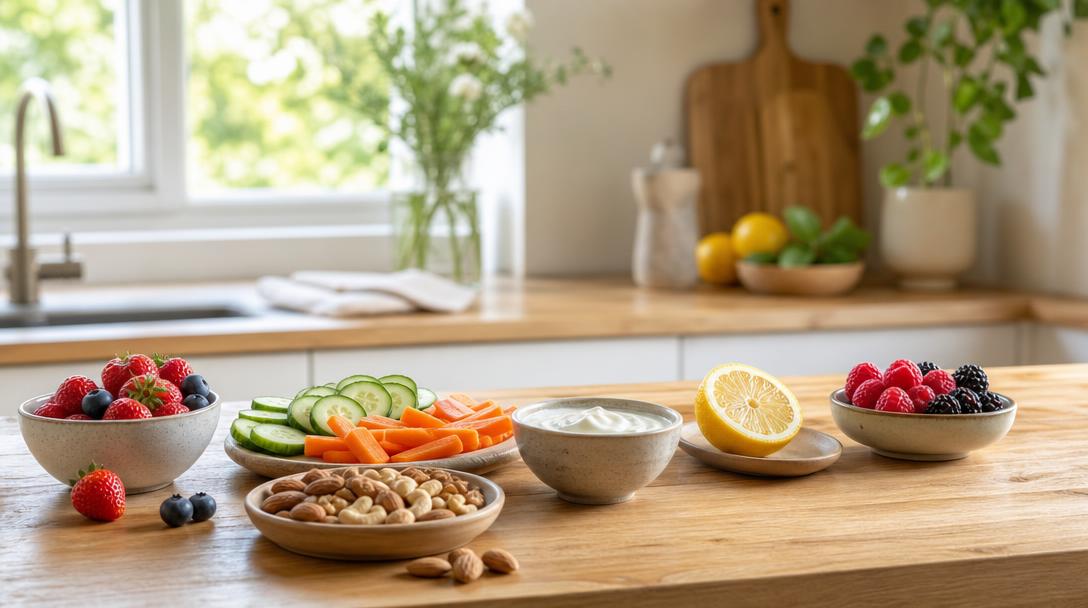
Snacking gets a bad reputation, but the truth is that snacking itself isn't the problem — the kind of snacks most of us reach for are. If you're trying to watch your sugar intake, the snack aisle can feel like a minefield. Foods marketed as 'healthy' or 'natural' can quietly deliver more sugar than a slice of cake, while genuinely nourishing options get overlooked. This guide is here to help you cut through the noise, understand where hidden sugars lurk, and build a smarter snacking habit that still feels satisfying.
Why Hidden Sugars in Snacks Are So Easy to Miss
One of the biggest challenges for anyone following a sugar-conscious snacking guide is learning to spot sugar where you wouldn't expect it. Many packaged snacks that seem like reasonable choices — flavored rice cakes, granola bars, fruit-flavored yogurts, smoothie pouches, trail mixes with dried fruit — carry surprisingly high sugar loads.
Sugar hides under many names on ingredient labels: maltose, dextrose, agave nectar, fruit juice concentrate, cane syrup, and corn syrup solids, to name just a few. A product can list 'no added sugar' on the front while still containing multiple naturally derived sweeteners that affect your blood sugar just as readily.
Flavored drinks are another common culprit. Bottled iced teas, vitamin waters, and juice blends can contain as much sugar as a soft drink, yet carry a wellness-oriented image that makes them feel like safe choices. Reading the actual nutrition panel — not just the front-of-pack claims — is the single most useful habit you can develop.
What Makes a Snack Genuinely Low in Sugar?
A snack that's genuinely lower in sugar tends to share a few common traits. It's built around whole-food ingredients with minimal processing. It contains protein, healthy fat, or fiber — or a combination of all three. These components slow digestion and help keep you feeling full and steady between meals, rather than riding the energy peaks and crashes that come with high-sugar foods.
Some reliable lower-sugar snack foundations include:
- Raw nuts and seeds — almonds, walnuts, pumpkin seeds, sunflower seeds
- Plain dairy or dairy alternatives — unsweetened Greek yogurt, plain kefir, hard cheeses
- Vegetables with a dip — sliced cucumber, celery, bell pepper, or radishes with hummus or nut butter
- Hard-boiled eggs
- Whole fruit in moderation — berries tend to be lower in sugar relative to tropical fruits
- Unsweetened nut butters on whole-grain crackers
The key word with many of these options is unsweetened or plain. Flavored versions of yogurt, nut butters, and even nut milks are often significantly higher in added sugar.
The Psychology of Sweet Cravings — and How to Work With It
Cutting back on sugar doesn't mean the desire for sweetness just disappears. Cravings are real, and trying to white-knuckle through them tends to backfire. The more sustainable approach is understanding what's driving the craving and finding ways to address it without triggering a sugar spike.
Sweetness cravings often intensify when you're tired, stressed, or haven't eaten enough earlier in the day. Keeping balanced meals and regular snack times — rather than waiting until you're running on empty — reduces how intense those cravings feel.
When you genuinely want something sweet, having a satisfying lower-sugar option ready matters more than willpower. This is where a little planning goes a long way: keeping a handful of good options at your desk, in your bag, or at the front of your refrigerator means the easy choice and the better choice are the same thing.
How Miracle Berry Can Make Low-Sugar Snacking More Enjoyable
One of the most interesting tools for people exploring sugar-conscious eating is miracle berry — a small tropical fruit that has a unique effect on taste perception. When you consume miracle berry, a naturally occurring glycoprotein called miraculin temporarily binds to taste receptors on your tongue. For a period afterward, sour and tart foods taste remarkably sweet — without any added sugar involved.
This means that plain Greek yogurt, lemon slices, unsweetened kefir, tart berries, or other naturally sour foods can taste genuinely sweet after using miracle berry. You get the sensory satisfaction of sweetness while consuming none of the added sugar that would normally create it.
At MberryTW, we offer miracle berry in several convenient forms: miracle berry tablets (a compressed form you let dissolve on your tongue), miracle berry powder (easy to incorporate into your routine), and dried miracle berry (a whole-fruit option for those who prefer minimal processing). Each form works the same way — activating the taste-transforming effect so your low-sugar snacks become an experience worth looking forward to.
This doesn't replace good nutrition habits, but it's a genuinely useful addition to a sugar-conscious snacking approach, especially for people who find the transition away from sweet foods difficult.
Building a Snack Routine That Actually Sticks
Knowledge about sugar is only useful if it translates into day-to-day habits. A few practical strategies tend to make a real difference:
Batch prep your snacks. Portioning out nuts, cutting vegetables, and hard-boiling eggs at the start of the week means you have grab-and-go options that require no thinking in a hungry moment.
Replace, don't just remove. Instead of simply eliminating your usual sugary snack, find a lower-sugar alternative that hits a similar note. Craving something crunchy and salty? Roasted pumpkin seeds. Craving something creamy? Plain Greek yogurt with a few berries.
Read labels as a habit, not a chore. The more you practice checking ingredient lists and nutrition panels, the faster and easier it becomes. Within a few weeks it stops feeling like effort.
Use tools that make the experience better. If miracle berry tablets make plain yogurt taste dessert-like, you're far more likely to choose the yogurt over a packaged sweet. Working with your enjoyment — not against it — is the most durable strategy.
Frequently Asked Questions
Q: Are fruit-based snacks safe for someone watching their sugar intake? A: Whole fruit contains fiber that moderates how quickly natural sugars are absorbed, which makes whole fruit a more balanced choice than fruit juice or dried fruit. That said, some fruits are higher in natural sugar than others. Berries, green apples, and citrus tend to be lower-sugar fruit options. Portion size still matters, and pairing fruit with protein or fat — like apple slices with almond butter — is a smart approach.
Q: How does miracle berry powder differ from miracle berry tablets for snacking purposes? A: Both forms activate the same taste-transforming effect. Miracle berry tablets are easy to use directly — you let them dissolve on your tongue before eating. Miracle berry powder offers more flexibility if you prefer to incorporate it differently into your routine. The best choice depends on how you like to snack and what fits your lifestyle.
Q: Can reducing sugar in snacks help with energy levels throughout the day? A: Many people report feeling more consistent energy when they reduce high-sugar snacks and replace them with options containing protein, fat, and fiber. High-sugar snacks can cause energy to rise and then drop relatively quickly. Balanced snacks tend to provide a more steady feeling between meals. Individual experience varies, but it's a commonly reported benefit of adjusting snack choices.
Interested in miracle berry products, wholesale, or OEM cooperation? Contact Sen Yuh Farm to learn more.
Contact Sen Yuh Farm