Sour Is the New Sweet: How Modern Food Culture Is Falling in Love With Tart Flavors
Discover how tart, sour, and fermented flavors are reshaping modern food culture and helping people enjoy natural taste without added sugar.
Sour Is the New Sweet: How Modern Food Culture Is Falling in Love With Tart Flavors
Something interesting has been happening in kitchens, cafes, and food markets over the last few years. The flavor profile that was once considered a punishment - sharp, puckering, mouth-tingling sourness - has become one of the most exciting things happening in food right now.
From tangy yogurt parfaits to fermented kombucha bars, from citrus-forward mocktails to tamarind-glazed snacks, the collective palate is shifting. People are craving complexity. They are moving away from the flat, predictable sweetness that dominated packaged food for decades. And in doing so, they are discovering something remarkable: sour foods often feel more alive, more satisfying, and - when you pay attention - naturally more interesting than anything loaded with refined sugar.
---
Why Sour Flavors Are Having a Moment
There is a cultural and nutritional logic to this shift.
For years, the food industry leaned heavily on sugar and salt to make products more palatable. Sweet was safe. Sweet was universally accepted. Sweet sold. But as health awareness has grown and consumers have become more label-conscious, people are beginning to question what all that added sugar is actually doing for them - and whether they really need it.
Tart and fermented foods have stepped into that space with confidence.
Fermented foods like kimchi, kefir, sourdough, and live-culture yogurt carry a sourness that comes loaded with gut-friendly benefits. Citrus fruits like yuzu, calamansi, and passionfruit deliver bright acidity with natural antioxidants. Green apple, tamarind, and hibiscus are appearing on menus and product labels in ways that would have seemed unusual five years ago.
The modern food-savvy consumer does not just tolerate sourness anymore. They seek it out.
---
The Problem With Taming Sour the Old Way
Here is where things get complicated for food producers and everyday cooks alike.
Most people still find sharp sourness difficult to enjoy at full intensity. The classic solution has always been simple: add sugar. A lot of it. That is how lemonade became lemonade. That is how yogurt went from a tangy health food to a dessert-adjacent product carrying 20 grams of sugar per cup. That is how citrus-based sauces, dressings, and drinks got loaded with syrups and sweeteners that quietly pushed the calorie count up and the nutritional value down.
The challenge, then, is this: how do you honor the natural character of sour ingredients without drowning them in sugar?
This is one of the most interesting questions in modern food development right now. And the answers coming from chefs, product developers, and wellness brands are genuinely creative.
---
Natural Taste Modulation: A New Category in Food Thinking
The concept of taste modulation - using natural ingredients to shift how we perceive flavor - is gaining serious traction in food innovation circles.
Rather than adding more sugar to balance acidity, food developers are exploring ingredients that change the tasting experience itself. Some botanicals soften bitterness. Some naturally accentuate sweetness at low concentrations. Some change the mouth feel in ways that make tart foods feel rounder and more pleasant without altering their nutritional profile.
Miracle berry is one of the most well-known examples of this principle in action.
The miracle berry, or Synsepalum dulcificum, contains a glycoprotein called miraculin that temporarily binds to taste receptors. When you eat acidic foods afterward, those receptors interpret the acidity as sweetness. A plain lemon wedge tastes like lemonade. Unsweetened yogurt tastes like cheesecake. Green apple tastes almost caramel-like.
What makes this fascinating from a food culture perspective is not just the novelty. It is the implication.
If a small natural berry tablet can shift the way sour food is perceived - making it enjoyable without adding any sugar at all - then the entire framework of how we balance flavor in food needs to be reconsidered.
---
The Cafe and Restaurant Angle
Forward-thinking cafes and restaurants have already begun experimenting with taste-modulating experiences as part of their menus and tasting events.
Miracle berry tasting events, in particular, have become a genuinely popular concept in specialty food spaces. Guests are given a tablet before a curated spread of sour, tangy, and acidic foods - citrus slices, fermented drinks, unsweetened yogurt, green fruit, sour candies, and even vinegar-based condiments. The entire tasting experience transforms without a single gram of added sugar.
The reaction from guests is almost always the same: disbelief, delight, and a new sense of awareness about how much of what they eat has been engineered to override their natural perception of flavor.
For cafe owners and restaurant operators, this represents more than a novelty act. It is a genuinely memorable experience that drives word of mouth, social sharing, and repeat visits. In a market where experience is as important as the food itself, a well-designed miracle berry tasting can become a signature offering.
Beyond tasting events, some establishments are incorporating miracle berry into everyday service - offering the tablet as an optional accompaniment to low-sugar dessert menus, sour cocktail or mocktail pairings, and health-focused breakfast items like plain yogurt or fresh fruit bowls.
---
Better-for-You Snacking and the Sour Trend
The snack market is one of the fastest-moving categories in the food industry right now. And increasingly, better-for-you snacks are leaning into sour and tart profiles.
Dried fruits like tamarind, green mango, and hibiscus flowers have surged in popularity. Probiotic gummies with tart coatings are proliferating. Citrus-based energy chews and sour superfood bites are appearing in health food stores alongside the more traditional sweet-and-salty options.
The consumer logic is consistent: sour flavors feel more natural, less processed, and more honest than artificially sweetened products. There is also a growing association between tart and fermented foods and gut health, immunity, and energy - whether or not the science is always fully developed.
For brands in this space, the challenge remains the same as always: how do you deliver a sour or tart product that consumers genuinely enjoy without resorting to excessive sugar or artificial sweeteners?
Miracle berry powder is increasingly being explored as a functional ingredient in this context. Incorporated into product formulations, it offers the possibility of allowing consumers to enjoy tart, low-sugar snacks in a way that feels naturally satisfying rather than nutritionally compromised.
---
Yogurt, Fermented Foods, and the New Breakfast Culture
Breakfast culture has undergone a quiet revolution.
The sugary cereal and flavored yogurt model of the 1990s and 2000s is losing ground to a more thoughtful, ingredient-aware morning routine. Greek yogurt, kefir, labneh, and other fermented dairy products are being consumed plain or lightly dressed. Overnight oats are being made without sweeteners. Smoothie bowls are skipping the flavored syrup.
Plain yogurt is arguably one of the most nutritionally dense foods available - rich in protein, calcium, probiotics, and B vitamins. But for many people, its natural tartness is a barrier to daily enjoyment without adding honey, maple syrup, or flavored mix-ins.
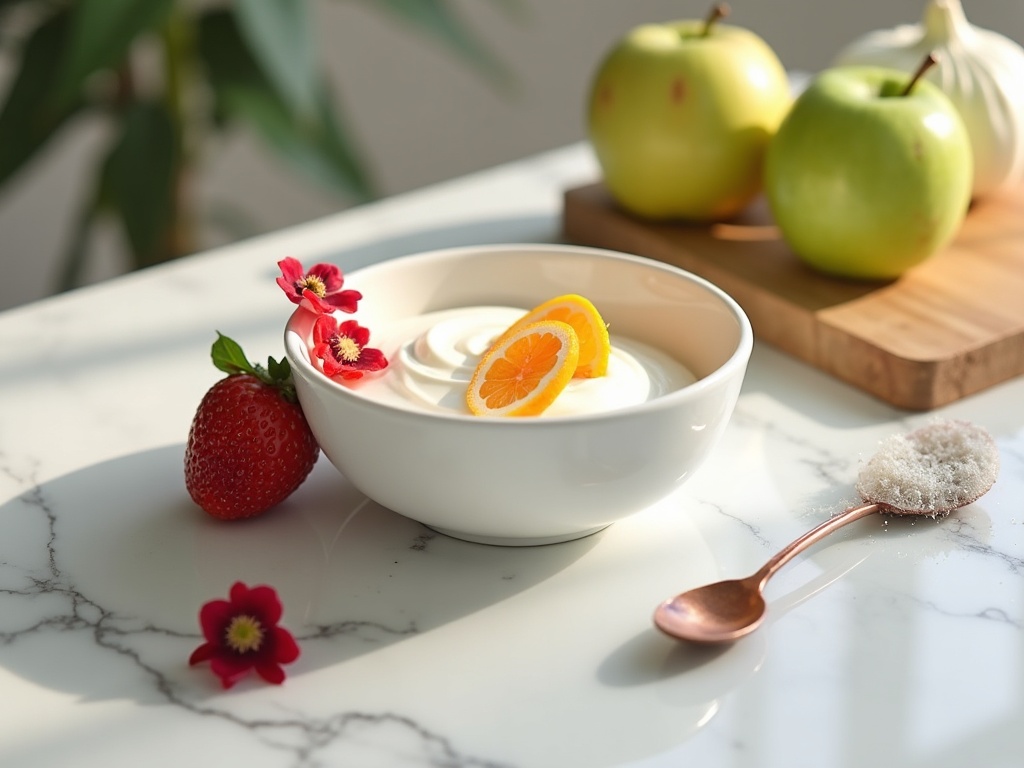
This is exactly where miracle berry fits naturally into a wellness-oriented morning routine. Consuming a miracle berry tablet before a bowl of plain yogurt and fresh fruit turns the meal into something that tastes indulgent without being nutritionally compromised. The fermented tang of the yogurt becomes a creamy sweetness. Sour berries taste like jam. Citrus segments taste like candy.
No added sugar. No artificial ingredients. Just a shift in perception.
---
Product Development Opportunities for Brands and Manufacturers
For food and beverage companies looking to develop genuinely differentiated products, the convergence of sour flavor trends and natural taste modulation opens a range of interesting directions.
Low-sugar yogurt-based products. Using miracle berry in a companion format - a tablet or powder sachet alongside plain yogurt or kefir - creates a premium, sugar-conscious product concept with strong health positioning.
Sour candy and confectionery. The confectionery market has been moving toward intense sour profiles for years. Products that deliver the full sour experience while using miracle berry to round the after-taste and reduce added sugar have clear commercial potential.
Functional beverage accompaniments. Kombucha, kefir water, jun tea, and other naturally tart functional beverages are growing fast. Miracle berry tablet pairings, either sold alongside these products or incorporated into sampler kits, represent a natural extension.
Tasting experience kits. Curated sets combining miracle berry tablets with dried sour fruits, citrus pieces, and tasting notes could function as premium gifting products, corporate wellness offerings, or hospitality amenities.
Wellness and dietary support contexts. For individuals managing blood sugar or reducing sugar intake for health reasons, miracle berry offers a way to continue enjoying the flavor of sweetness without the metabolic impact of sugar consumption.
---
Wholesale, OEM, and Export Considerations
The global appetite for natural, functional, and sugar-conscious food ingredients is not limited to any single market.
In markets across Southeast Asia, East Asia, North America, Europe, and the Middle East, the combination of rising health awareness and interest in novel food experiences is creating demand for ingredients like miracle berry in both consumer and trade formats.
For brands, food manufacturers, and importers looking to explore miracle berry as an ingredient or finished product, working with an established Taiwan-based supplier offers several practical advantages. Taiwan has a strong reputation in the Asia-Pacific food industry for quality manufacturing, reliable supply chains, and export-ready documentation. OEM and private label cooperation allows brands to enter the market quickly with customized products - tablets, powder, capsules, or formulated blends - without building their own production infrastructure.
MberryTW.org works with international partners ranging from specialty health food brands to cafe chains, wellness subscription box companies, and food service distributors. Whether the requirement is a retail-ready consumer product or a bulk ingredient for manufacturing use, the flexibility to work across formats and volumes makes this kind of cooperation genuinely accessible.
---
The Bigger Picture: Eating in Better Relationship With Flavor
The sour trend is not really about sourness. It is about authenticity.
People are increasingly interested in eating foods that taste the way they are supposed to taste - fermented, tangy, bright, complex - rather than foods that have been smoothed out and sweetened into a version of themselves that no longer resembles the original ingredient.
That shift in values creates space for a different kind of eating culture. One where less added sugar does not mean less enjoyment. Where natural ingredients are trusted to deliver real flavor rather than requiring sweeteners to be made palatable. Where a little understanding of how taste works can open up an entirely new relationship with food.
Miracle berry is one small but genuinely interesting part of that story. Not as a miracle cure or a magic trick, but as a natural ingredient that reminds us how flexible and perceptive human taste actually is - and how much more we might enjoy what we eat if we stopped trying to sweeten everything into submission.
---
Interested in miracle berry tablets, powder, wholesale supply, or OEM cooperation? Visit MberryTW.org to explore products and partnership options.
Interested in miracle berry products, wholesale, or OEM cooperation? Contact Sen Yuh Farm to learn more.
Contact Sen Yuh Farm