Why Sour Is the New Sweet: Building a Low-Sugar Lifestyle Around Natural Flavor
Discover how embracing sour, tangy, and fermented flavors can help you cut added sugar naturally and build a more satisfying, health-conscious lifestyle.
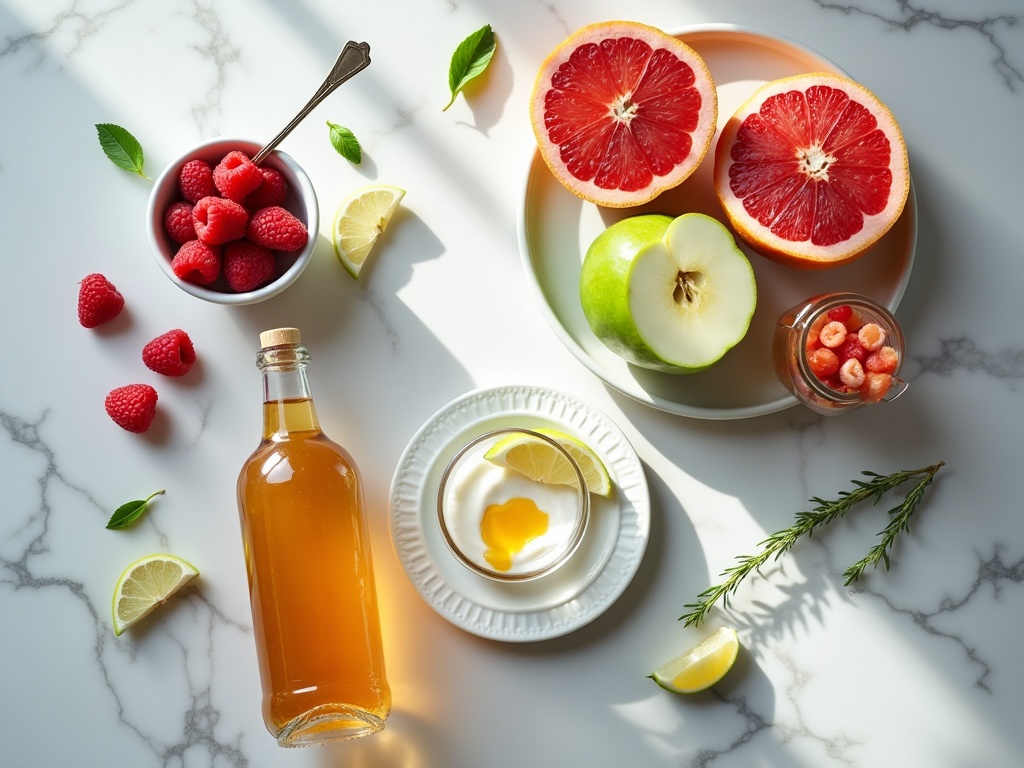
Why Sour Is the New Sweet: Building a Low-Sugar Lifestyle Around Natural Flavor
There is a quiet shift happening in the way health-conscious people are thinking about taste.
For decades, the food industry leaned heavily on sweetness. Sweet meant satisfying. Sweet meant reward. Sweet sold products off shelves and kept people coming back for more. But the tide is turning. More and more consumers are reaching for flavors that feel honest, complex, and alive -- and at the top of that list is something that used to be considered a challenge rather than a pleasure: sour.
From naturally fermented yogurt to citrus-forward sparkling drinks, from tamarind-glazed snacks to vinegar-based dressings, sour flavor is moving to the center of modern wellness culture. And that shift is opening up a genuinely exciting conversation about how we experience food, how we reduce added sugar, and how natural ingredients are reshaping the plates and cups in front of us every day.
---
The Problem with Always Reaching for Sweet
Let us be honest. Added sugar is everywhere, and it is rarely added in small amounts. It shows up in breakfast cereals, flavored yogurts, bottled smoothies, salad dressings, protein bars, and even savory sauces. For many people, the daily intake of added sugar climbs far beyond what they intend simply because the food system has been engineered to push sweetness at every turn.
The result is a population that has, over time, recalibrated its baseline expectations. Foods that are not sweetened start to feel flat or unpleasant. Yogurt without added sugar tastes too sharp. Plain kombucha feels too tangy. A handful of fresh raspberries feels almost aggressive on the palate.
This recalibration is not a personal failure. It is an adaptation to an environment saturated with hyper-sweet processed foods. But recognizing it opens the door to something genuinely useful: the possibility of retraining the palate to find pleasure in flavors that are not built around sugar.
---
Sour as a Wellness Tool
Sour flavor is not just trendy. It is deeply connected to some of the most nutritious and beneficial foods humans eat.
Think about the foods that nutritionists, dietitians, and wellness advocates consistently celebrate:
- Plain Greek yogurt -- rich in protein and probiotics, and naturally quite tart
- Kefir -- fermented, tangy, and loaded with beneficial bacteria
- Citrus fruits -- vitamin-dense, refreshing, and unmistakably sour
- Green apples and unripe berries -- full of fiber and antioxidants, with a sharp bite
- Apple cider vinegar -- embraced by wellness communities worldwide for its functional properties
- Kombucha and fermented drinks -- complex, lightly acidic, and far lower in sugar than conventional sodas
- Sourdough bread -- fermented slowly, with a nuanced tang that plain white bread never achieves
What all of these foods have in common is that they deliver real nutritional value alongside their sharpness. The sour notes are a signal of fermentation, of natural acids, of whole food integrity. When you learn to enjoy them, you are essentially learning to enjoy foods that are genuinely good for you.
---
The Challenge: Bridging the Taste Gap
Here is the honest tension. Even if someone understands that plain yogurt is healthier than its sweetened counterpart, eating it can feel like a compromise. Not everyone is ready to embrace full tartness from day one, and there is no benefit in forcing an experience that makes healthy eating feel like punishment.
This is where thoughtful flavor strategies become genuinely powerful.
One approach is layering. Pairing sour foods with naturally sweet companions -- a ripe mango alongside plain kefir, for example, or sliced strawberries on top of unsweetened yogurt -- creates contrast and balance without reaching for added sugar. The sweetness is real, the sourness is real, and together they create something more interesting than either element alone.
Another approach is gradual recalibration. Reducing the sweetness of a drink or dish by a small amount each week allows the palate to adjust without feeling deprived. Over several weeks, the threshold shifts. What once tasted too sour begins to taste balanced, and what once tasted normal begins to taste unnecessarily sweet.
A third approach involves using natural taste-modifying ingredients to bridge the experience -- giving sour foods a gentler introduction without adding a single gram of sugar.
---
Where Miracle Berry Fits Into the Low-Sugar Conversation
For those exploring creative, nature-forward ways to reduce sugar in their diets or in their food products, the miracle berry is worth understanding.
The miracle berry is a small fruit native to West Africa. It contains a naturally occurring glycoprotein called miraculin, which temporarily binds to taste receptors on the tongue. When you eat something sour after consuming a miracle berry, the sour flavor is softened and the food takes on a noticeably sweeter character -- without any added sugar, any artificial sweetener, or any caloric impact.
This is not a trick or a processed flavor hack. It is a natural interaction between a real fruit compound and your own taste receptors.
In practical terms, this means that plain Greek yogurt can taste like it has been lightly sweetened. A glass of lemon water can taste like lemonade. A slice of grapefruit can taste like candy. A tart berry smoothie without added sugar can taste genuinely indulgent.
For people who want to move toward a lower-sugar diet but find the transition difficult, miracle berry can serve as a kind of bridge -- making the healthier, less-sweet version of a food enjoyable while the palate gradually recalibrates to appreciate natural sourness on its own terms.
---
Practical Ideas for Everyday Low-Sugar Eating
You do not need any special tools or ingredients to start shifting your diet toward less added sugar and more natural flavor complexity. Here are some genuinely simple ideas:
Morning:
- Swap sweetened yogurt for plain Greek yogurt and top it with fresh kiwi, sliced strawberries, or a squeeze of mandarin orange
- Try a smoothie made with frozen raspberries, a small banana, and unsweetened almond milk -- no added sweetener needed
- Drink your coffee with a small twist of citrus peel instead of flavored syrup
Midday:
- Dress a salad with apple cider vinegar and a drizzle of olive oil instead of bottled dressing
- Try kombucha in place of a sweetened sparkling drink
- Snack on plain cottage cheese with sliced peaches or a few cherry tomatoes
Evening:
- Make a citrus-based marinade for grilled fish or chicken using lemon juice, lime, and fresh herbs
- Try a dessert of fresh fruit with a small spoonful of unsweetened ricotta and a crack of black pepper
- Brew hibiscus tea and chill it for a tart, naturally colorful drink that needs no sweetening
---
For Cafes, Restaurants, and Food Brands
The low-sugar movement is not just a personal lifestyle shift. It is a business opportunity.
Cafes and restaurants that offer genuinely low-sugar options -- not just labeled as such, but actually designed to taste great without added sweeteners -- are speaking directly to a growing segment of health-conscious consumers. This includes people managing blood sugar levels, parents looking for better options for their children, wellness enthusiasts, and anyone simply trying to eat more mindfully.
Menus built around naturally sour, fermented, and umami-forward flavors can feel exciting and modern rather than restrictive. A craft lemonade bar using fresh citrus without refined sugar. A yogurt bowl menu designed around balance rather than sweetness. A tasting menu built around fermented and pickled ingredients paired with natural flavor enhancers.
For food and beverage brands developing new products, the same logic applies. The better-for-you category is growing, and consumers are increasingly sophisticated. They are reading ingredient lists. They are comparing sugar content. They are looking for products that deliver real flavor without the sweetness overload they have grown accustomed to questioning.
Ingredients like miracle berry -- available in tablet, powder, and ingredient formats for wholesale, OEM, and private label applications -- offer product developers a genuinely novel tool for crafting low-sugar products that still deliver on flavor satisfaction. A low-sugar sparkling drink, a probiotic yogurt line, a citrus-based snack, or a functional dessert product could all benefit from the taste-modifying properties of miraculin without any artificial additives entering the ingredient deck.
---
The Broader Wellness Trend at Work
What makes the shift toward sour, fermented, and naturally complex flavors so compelling from a wellness perspective is that it aligns with several of the most important trends in health-conscious eating at once.
It supports gut health through fermented foods. It aligns with clean label demands by reducing processed sweeteners. It connects with functional food interests by spotlighting ingredients that do something beyond basic nutrition. It supports sugar reduction goals without demanding rigid restriction. And it feeds a growing consumer desire for authentic, natural food experiences that feel rooted in real ingredients rather than laboratory formulations.
In short, the move away from constant sweetness is not a sacrifice. It is an upgrade -- a more nuanced, more interesting, and in many ways more satisfying relationship with what we eat and drink every day.
---
A Closing Thought
Sweetness will always have a place at the table. There is nothing wrong with enjoying something sweet. But when sweetness is the only note we are listening for, we miss the full complexity of what food can be.
Sour, tangy, fermented, and tart flavors are not consolation prizes for people who cannot have sugar. They are sophisticated, health-supporting, deeply satisfying flavors in their own right -- and for those who find the transition challenging, there are natural, creative ways to make that journey enjoyable rather than difficult.
The low-sugar lifestyle is not about eating less. It is about tasting more.
---
Interested in miracle berry tablets, powder, or wholesale and OEM options for your brand or business? Visit MberryTW.org to learn about ingredient sourcing, private label cooperation, and export partnerships.
Interested in miracle berry products, wholesale, or OEM cooperation? Contact Sen Yuh Farm to learn more.
Contact Sen Yuh Farm