Rethinking the Sweet Spot: How Sour Foods Are Becoming the New Wellness Trend
Discover why sour, tart, and fermented foods are taking center stage in wellness culture and how natural taste experiences are reshaping how we eat.
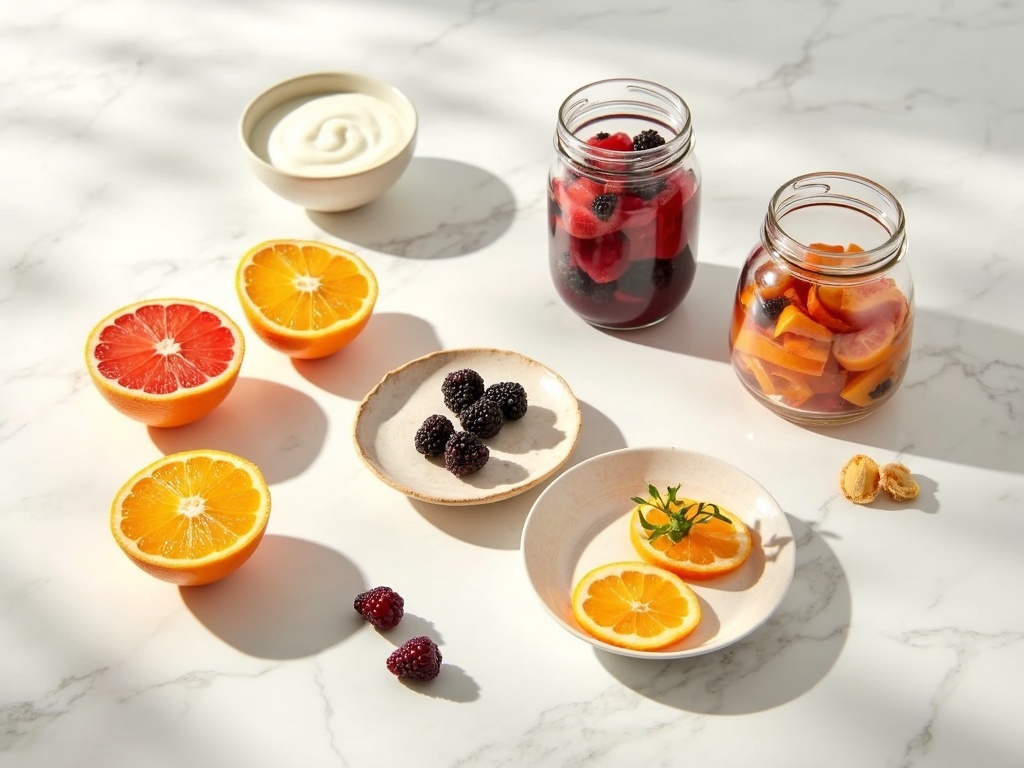
Rethinking the Sweet Spot: How Sour Foods Are Becoming the New Wellness Trend
There is something quietly radical happening at the breakfast table, inside specialty cafes, and across health-focused restaurant menus around the world. The foods people are reaching for are no longer always sweet. They are tangy, fermented, bright, and boldly sour. And that shift is telling us something important about where wellness eating is headed.
---
The Cultural Turn Toward Tart
For decades, the dominant flavor in comfort food, snack culture, and packaged beverages was sweet. Sugar was the shortcut to satisfaction. But as awareness around added sugar has grown, consumers have started exploring what flavor actually means without the easy crutch of sweetness.
Sour is stepping in to fill that space.
Fermented yogurts, kefir, kimchi, kombucha, and jun tea have all surged in popularity over recent years, not only because of their gut health associations but also because they offer something complex and interesting on the palate. Tart cherry juice, passionfruit, tamarind, and green apple are appearing in drinks, snacks, and even fine dining. People are learning to enjoy and even crave acidity in a way that previous generations simply did not.
This is not just a niche food blogger trend. It reflects a genuine and growing shift in how health-conscious consumers think about flavor, satisfaction, and the relationship between what they taste and how they feel.
---
Sugar-Conscious Eating Does Not Have to Mean Bland
One of the biggest misconceptions about reducing added sugar in your diet is that you are automatically signing up for food that is dull, flat, or joyless. This idea has kept many people from making meaningful changes to how they eat.
But sour foods challenge that assumption completely.
A bowl of plain Greek yogurt with fresh lemon zest and a handful of blueberries is vibrant and satisfying without a single gram of added sugar. A glass of water infused with hibiscus, lime, and ginger delivers layers of flavor that many sweetened beverages simply cannot match. A tart passion fruit sorbet made from just the fruit itself can feel indulgent and refreshing in a way that a candy-sweet gelato often does not.
The secret is that sourness activates taste receptors in a vivid and memorable way. It creates brightness. It makes other flavors pop. When we lean into acidity rather than masking it with sugar, we often discover that the original ingredient was more delicious than the sweetened version ever was.
---
Cafes and Restaurants Are Listening
Walk into a specialty coffee shop in Taipei, Tokyo, Melbourne, or Copenhagen and you will notice something. The menu is full of drinks built around natural acidity. Cold brew with a squeeze of yuzu. Sparkling water kefir. Hibiscus and tamarind agua fresca. Sourdough-based mocktails.
These businesses are not making these choices accidentally. They are responding to a customer base that is paying closer attention to ingredients, added sugar content, and the overall quality of what goes into a glass or onto a plate.
In the restaurant world, the shift is equally visible. Small plates featuring green mango salads, fermented vegetable sides, tamarind-glazed proteins, and yogurt-based sauces are no longer limited to cuisine-specific restaurants. They are showing up on menus that blend global influences and cater to diners who want something that feels clean, intentional, and genuinely flavorful.
For cafe and restaurant owners, this trend is an opportunity. Building a menu identity around natural, low-added-sugar, flavor-forward ingredients is increasingly a competitive advantage.
---
Where Miracle Berry Enters the Picture
Within this broader conversation about sour foods and sugar-conscious eating, there is a fascinating natural ingredient that has been gaining quiet attention from chefs, wellness enthusiasts, food developers, and tasting event organizers.
Miracle berry, sourced from the West African fruit Synsepalum dulcificum, contains a glycoprotein called miraculin that temporarily changes how we perceive sour flavors. When consumed before eating acidic foods, it causes those sour notes to register as sweet, without adding any sugar whatsoever.
This is not a trick or a gimmick. It is a naturally occurring function of a real fruit that has been used for generations in parts of West Africa and has attracted growing interest from food innovators globally.
What makes miracle berry particularly relevant to the current wellness moment is precisely this: it allows people to experience sweetness from naturally sour, nutrient-dense foods like citrus, yogurt, green apple, tamarind, and fermented drinks without adding sugar. The flavor transformation happens because of the berry, not because of added sweeteners.
For someone trying to reduce their daily sugar intake without giving up the experience of sweetness, that is genuinely meaningful.
---
Practical Ways People Are Using Miracle Berry
The applications are more creative and varied than many people expect.
At home: People are using miracle berry tablets before enjoying plain yogurt, citrus salads, green smoothies made with lime and kiwi, or even sipping lemon water. The result is that foods they would normally sweeten become naturally satisfying on their own.
At tasting events: Miracle berry tasting gatherings have become a popular format for dinner parties, wellness workshops, corporate team events, and pop-up food experiences. Participants try a tablet and then work through a curated spread of sour and tart foods, experiencing familiar ingredients in an entirely new way. These events are social, surprising, and memorable.
In cafes and beverage programs: Some cafes and specialty drink brands have begun experimenting with miracle berry powder in mocktails, smoothies, and tasting menus. The ability to offer naturally sweet-tasting drinks with no added sugar is an appealing selling point for sugar-conscious customers.
In food product development: For brands working on better-for-you snacks, low-sugar functional beverages, or health-focused dessert products, miracle berry powder opens up formulation options that were not previously accessible. Products can be built around tart, fermented, or acidic base ingredients and still deliver a naturally sweet taste profile.
---
The Role of OEM and Private Label in Bringing These Ideas to Market
As interest in natural taste-modifying ingredients grows, the commercial opportunity around miracle berry is expanding beyond individual consumer products.
Food and beverage companies, wellness brands, supplement manufacturers, and specialty retailers are increasingly exploring how ingredients like miracle berry can be incorporated into their product lines. The flexibility of miracle berry powder makes it particularly well-suited to product development work. It can be incorporated into tablet form, capsule form, dissolvable strips, powdered blends, and more.
For businesses interested in this space, OEM and private label manufacturing partnerships allow brands to bring their own miracle berry product to market without building production infrastructure from scratch. This model makes it accessible for companies of different sizes, whether a local Taiwanese health food brand, a regional distributor in Southeast Asia, or an international wellness label entering new markets.
Export cooperation is also expanding the reach of this ingredient globally, as health food markets in Europe, North America, and Asia-Pacific continue to show growing consumer interest in functional and natural food ingredients.
---
The Bigger Picture: Flavor Is a Wellness Tool
What makes the current moment interesting is that the conversation around wellness eating has matured past simple restriction. It is no longer just about what to eliminate. It is about discovering flavors and food experiences that are both genuinely good and genuinely good for you.
Sour foods fit into that vision. Fermented foods fit into that vision. Tart fruits, unsweetened yogurts, bright citrus-forward drinks, and foods built around natural acidity all fit into that vision.
And natural ingredients that help people enjoy those foods more fully, without adding sugar, fit into that vision too.
The rise of sour as a wellness flavor is not a rejection of pleasure. It is a rediscovery of what pleasure can look like when we stop defaulting to sugar as the only path to satisfaction. That rediscovery is one of the more exciting things happening in food culture right now.
---
MberryTW.org is a Taiwan-based supplier of miracle berry tablets and miracle berry powder, offering wholesale, OEM, private label, and export cooperation for food brands, wellness businesses, and specialty distributors. Contact us to learn more about sourcing and partnership opportunities.
Interested in miracle berry products, wholesale, or OEM cooperation? Contact Sen Yuh Farm to learn more.
Contact Sen Yuh Farm