The Sour Food Revolution: Why Tart Flavors Are Winning in Low-Sugar Cuisine
Discover how sour and tart flavors are reshaping healthier eating without added sugar. Perfect for conscious consumers and food innovators.
The Sour Food Revolution: Why Tart Flavors Are Winning in Low-Sugar Cuisine
The food industry is experiencing a quiet but significant shift. Consumers are moving away from aggressively sweet products and embracing sour, tart, and tangy flavor profiles—not because they enjoy punishment, but because they've discovered something powerful: complex, acidic tastes satisfy cravings without the guilt of added sugar.
This isn't a passing trend. It's a fundamental rethinking of how we approach flavor and wellness.
The Problem with Sweetness
For decades, the food and beverage industry operated on a simple formula: more sweetness equals more pleasure. Sugar was the answer to every flavor problem. But as consumers became increasingly sugar-conscious, food makers faced a paradox. Reducing sugar often meant boring, flat-tasting products. Artificial sweeteners offered a solution, but many people preferred to avoid them altogether.
What remained largely unexplored was another direction entirely: embracing sour as a flavor destination, not a compromise.
Why Sour Makes Sense for Health-Conscious Consumers
Sour and tart foods have several advantages that wellness-focused eaters are recognizing:
Natural complexity. Acidic flavors create multi-dimensional taste experiences. A spoonful of unsweetened yogurt with fresh lemon or a sip of kombucha activates taste buds in ways that pure sweetness cannot. This complexity keeps the palate engaged and satisfied.
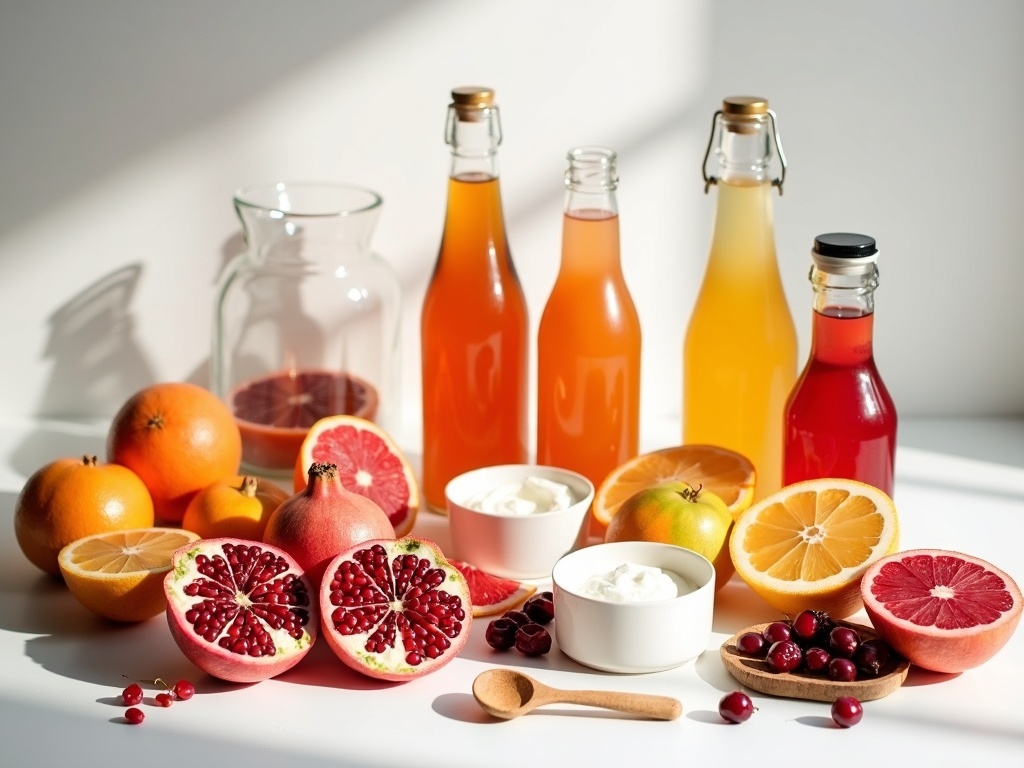
Lower sugar dependency. Sour foods like berries, citrus, vinegars, and fermented products deliver intense flavor with minimal or no added sugar. A tart cherry or pomegranate provides visual interest, tartness, and natural nutrition in one ingredient.
Functional benefits. Many sour and fermented foods contain probiotics, enzymes, and organic acids that support digestion and overall wellness. Consumers aren't just choosing sour for taste anymore—they're choosing it for function.
Appetite satisfaction. Acidic foods tend to trigger satiety signals. A small portion of something sour and intense can feel more satisfying than a larger portion of something mildly sweet.
Where This Shift Is Happening
Progressive cafes and restaurants are leading the charge. Cold brew coffees now come with citrus notes. Dessert menus feature tart berry compotes alongside cream. Beverage developers are experimenting with sour fruit blends, natural vinegars, and fermented flavor bases.
The consumer is ready. Gen Z and millennial wellness enthusiasts aren't afraid of sour anymore—they're actively seeking it out. Health-conscious parents are discovering that their kids will eat plain Greek yogurt if they pair it with tart fruit instead of added honey. Office workers are swapping sugary energy drinks for sparkling apple cider vinegar beverages.
The Product Development Opportunity
For food and beverage brands, this opens new territory. Instead of starting with a sweetness target and working backward, consider starting with a sour baseline and building from there.
Beverage innovation: Sugar-free sparkling drinks built on tart fruit juice, kombucha bases, or citric acid profiles.
Dairy and alternatives: Unsweetened or lightly sweetened yogurts and milk products that celebrate the natural tang of fermentation.
Snack development: Protein bars and treats where tartness becomes the defining characteristic, not an afterthought.
Condiments and flavor enhancers: Sour sauces, vinegars, and natural acid boosters that add depth to whole meals.
The Natural Ingredient Connection
This movement aligns perfectly with the broader consumer demand for natural ingredients. Sour doesn't require artificial flavoring. A simple combination of tart fruits, citrus, vinegars, or naturally fermented ingredients can deliver complex, satisfying taste without chemistry lab involvement.
Wholesale and OEM partners are increasingly requesting formulations that center on natural acid profiles and sour fruit concentrates. Private label brands are building their identities around "tartly sophisticated" positioning rather than "healthier sweet."
Creating the Experience, Not Just the Product
Forward-thinking food businesses understand that sour is an experience category. It's not just about taste—it's about perception, culture, and choice.
Tasting events and pop-ups featuring sour-forward products are gaining traction. Consumers want to understand why something is sour, what makes that tartness interesting, and how to integrate it into their lives. This is an opportunity for brands to build narrative and community, not just move inventory.
The Export and Global Opportunity
Taiwan's natural ingredient suppliers are well-positioned to serve this global trend. International buyers are actively seeking authentic, naturally sour products from Asia. Whether it's preserved sour fruits, natural acids, or functional sour beverage bases, there's export demand.
The sour food revolution isn't limited to Western markets. Asian markets, too, are experiencing renewed interest in traditional sour and fermented flavors—and the opportunity to combine modern wellness positioning with regional authenticity is significant.
Moving Forward
The sour food revolution represents something deeper than a flavor preference. It reflects a maturation in how consumers think about wellness, pleasure, and choice. People want to feel good about what they eat. They want complexity and satisfaction without compromise.
For suppliers, manufacturers, and food innovators, this shift offers clarity: the future isn't about making healthier versions of sweet products. It's about reimagining what delicious and nourishing can taste like when we're not bound by sugar.
The sour revolution is already underway. The question isn't whether it's real—it's whether you're ready to participate.
Interested in miracle berry products, wholesale, or OEM cooperation? Contact Sen Yuh Farm to learn more.
Contact Sen Yuh Farm