The Art of Sour: Why Chefs and Wellness Brands Are Reimagining Acidic Flavors Without Sugar
Discover how the food industry is transforming sour tastes into guilt-free pleasures. Explore natural taste innovation beyond sweetness.
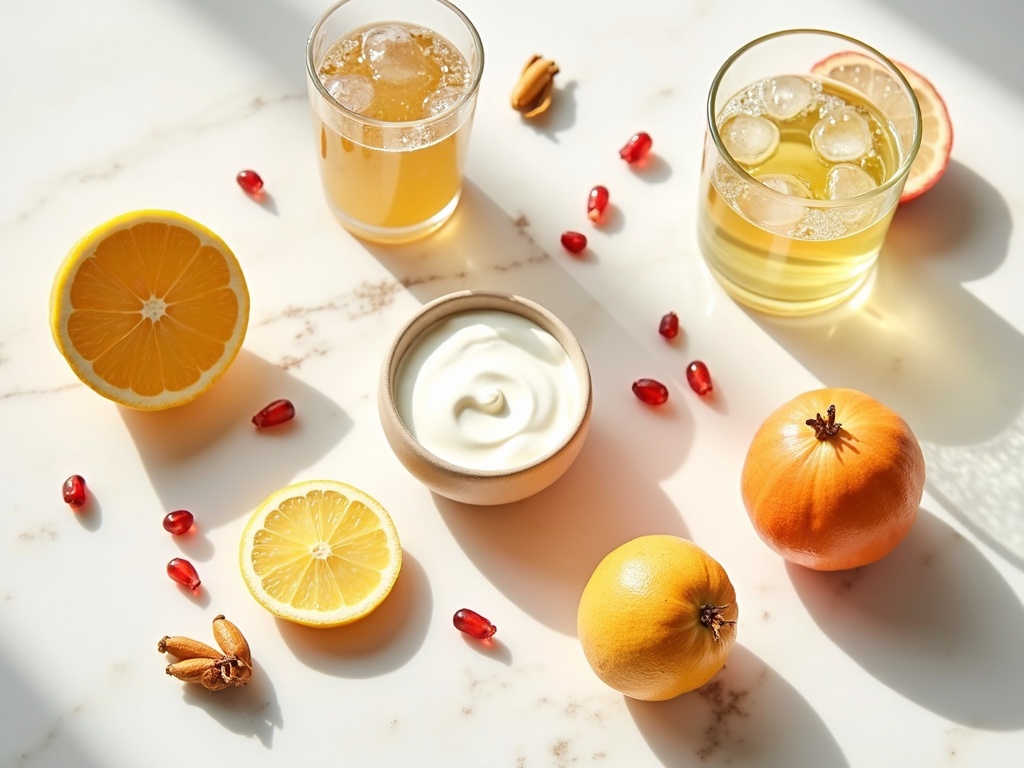
The Art of Sour: Why Chefs and Wellness Brands Are Reimagining Acidic Flavors Without Sugar
For decades, the food industry operated under a simple rule: if it tastes sour, add sugar. Yogurt got sweetened. Kombucha came pre-loaded with added sugars. Sour candies were coated in glucose and fructose. But something fundamental is shifting in how restaurants, cafes, and consumer brands think about sour.
Today's wellness-conscious consumers aren't just avoiding sugar—they're actively seeking out tart, tangy, and acidic taste experiences. The sour isn't a flavor to mask or sweeten. It's the main event.
The Sour Flavor Renaissance
Walk into any modern specialty cafe in Taipei, Bangkok, or Seoul, and you'll find menus celebrating acidic fruits and fermented ingredients in ways that would have seemed niche five years ago. Yuzu, tamarind, pomegranate, passion fruit, and sour plum are no longer exotic ingredients—they're staples.
This isn't nostalgia. It's health-conscious innovation.
The shift reflects a broader consumer awakening: we're learning to taste again without the glucose crutch. Sour naturally triggers saliva production, enhances digestion, and activates taste receptors in ways that create genuine satisfaction. A tart Greek yogurt, a naturally acidic kombucha, or a sour fruit drink can feel more rewarding than something artificially sweetened—because it actually is.
Why Sour Matters for the Sugar-Conscious Movement
The sugar-reduction trend has created real demand for alternative taste experiences. But here's the truth: simply removing sweetness creates a void. You can't just erase flavor and expect people to enjoy it.
Forward-thinking food developers are filling that void with sour.
This approach works across multiple categories:
Beverage Innovation: Cafes are crafting drinks around natural acidity—tart berry teas, sour fruit smoothies, and vinegar-based tonics—without adding compensatory sweetness.
Dairy & Probiotics: Unsweetened or minimally-sweetened sour products (especially Greek yogurt and kefir) have become everyday staples rather than acquired tastes.
Functional Snacks: Sour fruit powders, tart energy balls, and acidic superfood blends create the complex flavor profiles consumers now expect from better-for-you snacks.
Fermented Foods: Kombucha, kefir, and probiotic beverages lean into their natural tang rather than hiding it under added sugars.
The Wholesale & OEM Opportunity
For food manufacturers and cafe owners, this trend represents genuine business potential. Consumers are willing to pay premium prices for products that deliver authentic taste innovation. They're not looking for artificially sour drinks or gimmicky flavors—they want genuine experiences with clean ingredient lists.
This is where natural taste-modifying ingredients and functional formulations become valuable. Brands developing sour-forward products need reliable suppliers who understand both the flavor science and the ingredient sourcing required to deliver consistent, authentic taste.
Whether it's powder formulations for beverage developers, tablet formats for export markets, or custom blends for private label partners, the infrastructure supporting this trend is growing rapidly.
Sour Tasting Events: A New Format for Food Discovery
Smart brands and cafes are also hosting sour-tasting experiences—curated events where consumers explore the full spectrum of acidic flavors without sugar interference. These aren't just marketing; they're genuine flavor education that builds brand loyalty and generates word-of-mouth interest.
These events work because they honor consumer curiosity. People want to understand how different sour tastes interact with their palate, how they can be combined in recipes, and what they mean for their daily eating habits.
The Path Forward: Authenticity Over Masking
The deeper message here is about honesty in flavor. Instead of using sweetness or other taste compounds to mask or overshadow sour, the winning approach is to celebrate it. Respect the ingredient. Develop the palate. Create genuine satisfaction.
For consumers, this means rediscovering foods and drinks they might have dismissed as "too tart" in a sugar-dependent context. For brands, it means opportunity to differentiate in crowded wellness categories.
The future of better-for-you food isn't about adding something to compensate for what you've removed. It's about understanding what makes a flavor genuinely compelling—and having the courage to let it stand on its own terms.
Interested in miracle berry products, wholesale, or OEM cooperation? Contact Sen Yuh Farm to learn more.
Contact Sen Yuh Farm