The Art of Sour: Why Food Professionals are Rethinking Tart Flavors in Better-For-You Foods
Discover how chefs, nutritionists, and food developers are embracing sour fruits and natural tartness to reduce sugar while enhancing flavor complexity in modern wellness cuisine.
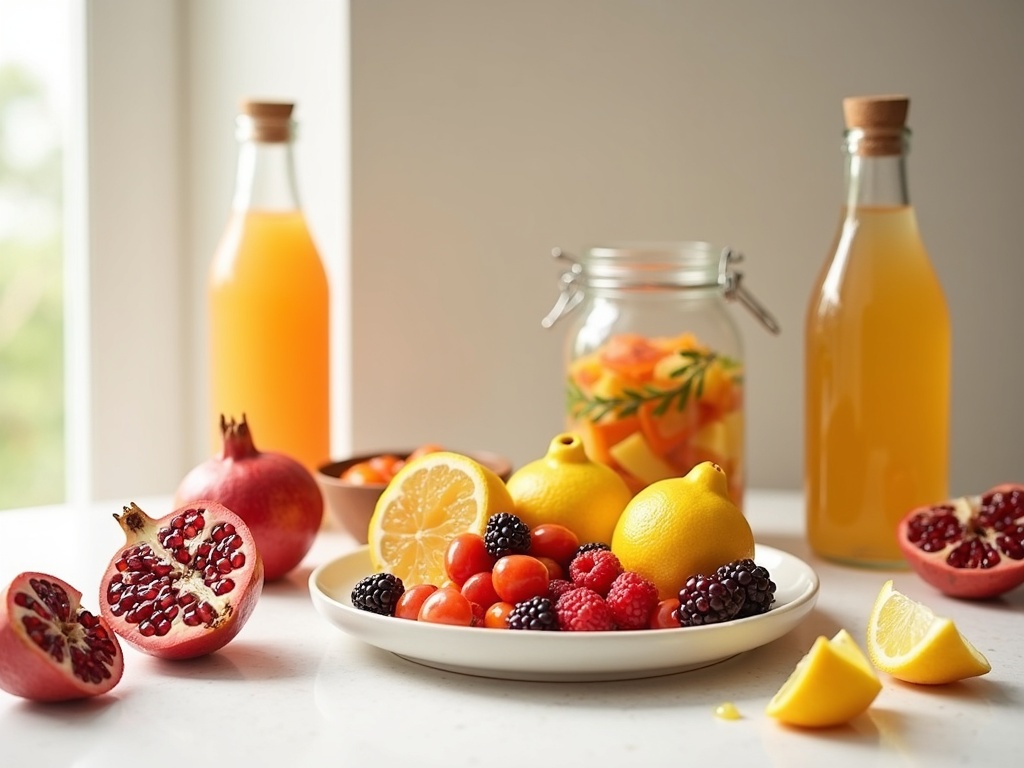
The Art of Sour: Why Food Professionals are Rethinking Tart Flavors in Better-For-You Foods
When was the last time you savored something genuinely sour without immediately reaching for sugar to balance it?
For decades, the food and beverage industry operated under a simple assumption: sour needs sweet. Tart yogurt got drowned in added sugar. Sour drinks were sweetened into oblivion. Acidic fruits were paired with candy coatings and sugary preserves.
But a quiet shift is happening in kitchens, wellness cafes, and food development labs across Asia and beyond. Forward-thinking professionals are discovering that sourness itself—when embraced rather than masked—is actually a feature, not a flaw.
The Flavor Sophistication Movement
Culinary trends have always cycled through taste profiles. We've had our umami moment. We've celebrated bitter greens. Now, the spotlight is turning to sour as a legitimate pillar of sophisticated, health-conscious eating.
Why? Because sour is inherently low in sugar.
Tart berries, Greek yogurt, fermented vegetables, kombucha, and citrus offer complex flavor experiences without the guilt. They stimulate saliva production, enhance digestion, and trigger genuine satisfaction. They're versatile enough for savory applications and nuanced enough for dessert-adjacent foods.
Reimagining the Sour Food Experience
Progressive restaurants and cafes are now featuring sour-forward items as menu staples:
- Sour fruit bowls topped with nuts, seeds, and unsweetened coconut—no added sweeteners needed
- Tart yogurt parfaits layered with crunchy granola and fresh berries
- Fermented drink stations offering naturally sour beverages as alternatives to sugary sodas
- Sour candy experiences that rely on natural tartness rather than sugar-coating
But here's the challenge most food developers face: raw sourness can be polarizing. Not every consumer wants to experience pure tartness. There's a reason sugar became the default companion to sour—it's forgiving, accessible, and universally pleasing.
This is where the conversation becomes interesting for product development teams and wellness brands looking to innovate.
The Gap Between Flavor Expectation and Sensory Experience
Consider the typical consumer journey:
- They want to reduce added sugar
- They're drawn to sour fruits and tart products
- They take one bite and find it too sour
- They reach for sweetness to make it palatable
- Their sugar-reduction goals are abandoned
For small and medium food businesses, OEM manufacturers, and exporters, this creates both a challenge and an opportunity. How do you deliver genuinely reduced-sugar sour products that still feel rewarding and complete?
The answer lies in sensory innovation—not by adding sugar, but by exploring how flavor perception actually works.
Natural Solutions for Sour Food Development
Smart food technologists and wellness brands are exploring several paths:
Flavor Complexity: Combining multiple sour fruits (pomegranate, tamarind, Greek lemon) creates depth that feels less harsh than a single note.
Texture Play: Layering sour elements with crunchy, creamy, or chewy textures makes the eating experience more satisfying and less one-dimensional.
Strategic Pairing: Matching sour with subtle natural flavors—mint, ginger, floral notes—that enhance perception of sweetness without adding sugar.
Natural Taste Enhancement: Exploring how certain natural ingredients can support flavor perception and create a more balanced sensory experience for consumers accustomed to sweetness.
Why This Matters for the Wellness Supply Chain
For wholesale suppliers, OEM partners, and export-focused food businesses, this trend represents real market opportunity.
Cafes are increasingly seeking ingredient solutions that let them craft better-for-you sour beverages, yogurt parfaits, and desserts that align with health-conscious consumer demand.
Nutritionists and dietitians are recommending sour fruits as part of sugar-conscious eating strategies.
Wellness brands are developing tasting experiences that help consumers discover and appreciate naturally sour foods.
This expansion of the sour category—from niche health food to mainstream wellness food trend—requires reliable suppliers of functional ingredients and natural flavor solutions that can support product innovation at scale.
The Future of Sour in Your Product Line
If your business operates in the functional food, wellness beverage, or better-for-you snack space, consider this:
The next generation of sugar-conscious consumers isn't just avoiding sweetness. They're seeking genuine flavor experiences. They want to taste the actual fruit, not the sweetener. They're willing to embrace tartness if it feels sophisticated, intentional, and rewarding.
Products that deliver authentic sour experiences—without relying on added sugar, artificial sweeteners, or heavy processing—will continue to stand out in a crowded wellness market.
Whether you're developing a new low-sugar drink line, creating tasting events for consumers curious about natural ingredients, or building a wholesale partnership around functional food innovation, understanding the role of sourness in modern wellness cuisine is essential.
The sour story isn't about one ingredient. It's about recognizing that flavor complexity, sensory satisfaction, and health-conscious eating can all exist together—without compromise.
Your next food innovation might just start by asking: What if we stopped fighting the sour, and started celebrating it instead?
Interested in miracle berry products, wholesale, or OEM cooperation? Contact Sen Yuh Farm to learn more.
Contact Sen Yuh Farm