The Art of Sour Without Regret: How Modern Cafes Are Rethinking Tart Beverages Beyond Sugar
Discover how cafes and food innovators are creating satisfying sour drinks without artificial sweeteners. Explore natural taste solutions for health-conscious consumers.
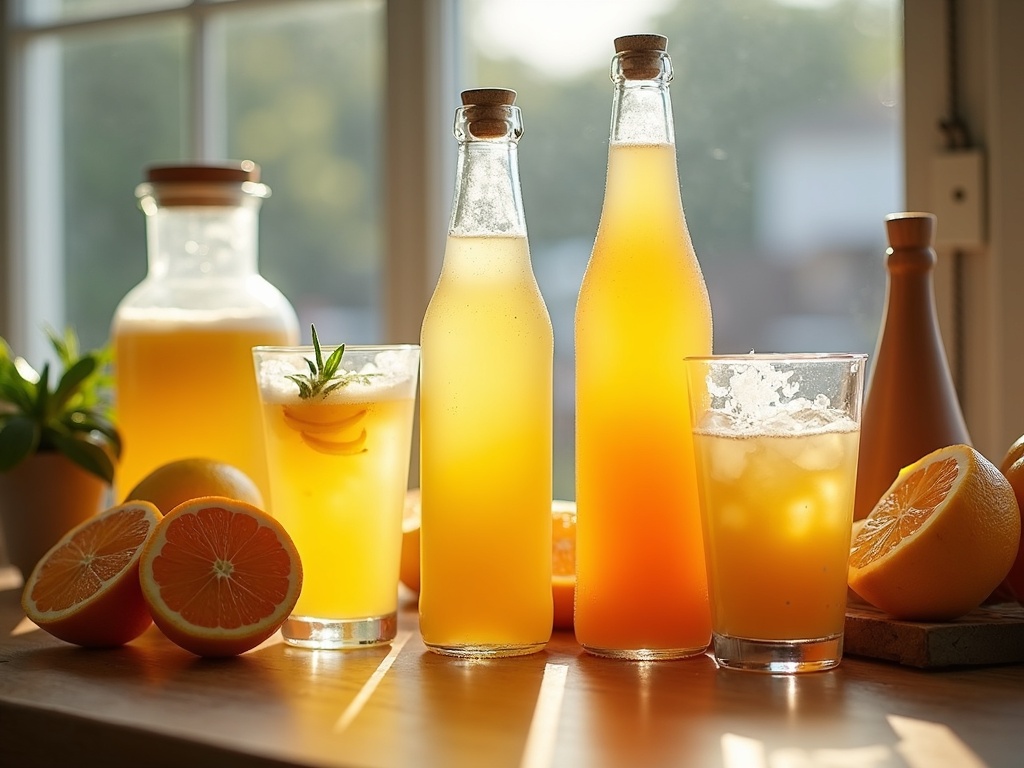
The Art of Sour Without Regret: How Modern Cafes Are Rethinking Tart Beverages Beyond Sugar
The sour flavor is having a moment. From kombucha bars to craft sour sodas, consumers are increasingly drawn to tart, acidic taste experiences. Yet there's a persistent challenge that food and beverage innovators face: how do you make genuinely satisfying sour drinks without relying on added sugar to balance the pucker?
This question sits at the heart of a broader shift in the wellness and food innovation space. Consumers are becoming more intentional about their sugar intake, even as they crave dynamic, complex flavors. The result? A new generation of beverage concepts that lean into sourness as a feature, not a flavor problem to be masked.
Why Sour Is Having a Cultural Moment
Sour flavors trigger genuine sensory engagement. There's a reason fermented beverages, sour candies, and tart fruits have exploded in popularity—they offer intensity and presence on the palate in ways that many mainstream beverages simply don't.
But here's the tension: traditionally, beverage makers have sweetened sour drinks to make them "palatable." This worked in a world where consumers weren't tracking added sugars, but today's more conscious drinkers are asking harder questions about every ingredient on the label.
Progressive cafes and beverage brands are responding by rethinking the entire framework. Instead of using sourness as a problem to solve with sugar, they're exploring how to make sourness itself the destination.
Natural Sourness: Ingredients Taking Center Stage
The shift toward natural, less-processed sour beverages is creating opportunities for ingredient innovation.
Fermented bases like kombucha and kefir offer built-in complexity and probiotic benefits, allowing beverages to taste naturally sophisticated without added sweeteners.
Citrus and sour fruits—think yuzu, pomelo, tamarind, and passion fruit—provide authentic tartness alongside vitamins and natural phytonutrients.
Herbal infusions can add brightness and depth; hibiscus, for example, delivers natural acidity with minimal bitterness when properly steeped.
Greek yogurt and sour milk drinks are experiencing a genuine resurgence, particularly in wellness-focused venues. These work because the sourness feels earned and purposeful, not like a flavor defect.
What all these solutions share is transparency. Consumers can recognize each ingredient, and more importantly, they understand why the drink tastes the way it does.
The Experience Economy Meets Taste Innovation
Modern consumers—especially younger demographics—are willing to spend more on experiences that feel intentional and aligned with their values. This creates real opportunity for cafes, juice bars, and beverage concept shops that position sour drinks as part of a larger wellness narrative.
Think of it this way: a customer ordering a tart yuzu-herbal beverage isn't just buying a drink. They're participating in a sensory experience that reflects their commitment to health, their openness to flavor complexity, and their rejection of one-dimensional sweetness.
This shift opens doors for:
- Specialty cafes that build seasonal menus around sour fruits and fermented ingredients
- Tasting experiences and events where consumers explore different sour profiles
- Product development partnerships between beverage brands and ingredient suppliers focused on natural, recognizable components
- OEM and private label opportunities for companies wanting to develop sour beverage lines without building from scratch
Balancing Taste Without Artificial Solutions
One of the most interesting developments in natural sour beverages is the move away from stevia, sucralose, and other synthetic sweeteners—not because they're dangerous, but because they complicate the ingredient story. Consumers are increasingly seeking drinks that require no sweetening at all, or that use approaches that feel more integrated into the overall flavor profile.
This is where thoughtful formulation matters. A well-crafted sour beverage might rely on:
- Layered flavor complexity (combining different sour fruits, herbs, or fermented notes so the overall taste feels complete rather than one-dimensional)
- Slight natural sweetness from whole fruits rather than added syrups
- Carbonation, which can amplify perception of freshness and reduce reliance on sweetness for satisfaction
- Textural elements like pulp or suspended particles, which create a more engaging mouthfeel
- Temperature and serving context (iced vs. warm, served with food vs. standalone)
These techniques acknowledge that taste satisfaction isn't just about sweetness—it's about engagement, memory, and the overall sensory story.
Opportunities in the Supply Chain
For ingredient suppliers and manufacturers, this trend represents genuine commercial potential. Companies developing natural sour drink concepts need reliable access to:
- High-quality sour fruit concentrates and powders
- Stable fermented bases that don't require constant refrigeration
- Natural flavor modifiers that enhance tartness without adding sugar
- Functional ingredients (probiotics, adaptogens, vitamins) that align with the health positioning
Wholesale partners, OEM manufacturers, and private label suppliers positioned to understand this space—and to offer flexible formulations that work across different beverage categories—are increasingly valuable to the market.
What This Means for Your Product Development
If you're developing a low-sugar beverage or building a better-for-you drink concept, the sour category offers real differentiation potential. Consumers are increasingly interested in:
- Fermented and probiotic beverages that feel functional
- Fruit-forward sour drinks with transparent, recognizable ingredients
- Tasting experiences that position sourness as a feature, not a flaw
- Export-ready formulations that travel well while maintaining flavor integrity
The key is authenticity. Consumers can sense when sourness is being used as a genuine flavor choice versus when it's masking poor ingredients or excessive processing.
The Bigger Picture: Flavor Evolution
What's happening with sour beverages is part of a larger consumer movement toward more adventurous, intentional eating and drinking. People are exploring their palates, learning to appreciate complexity, and questioning the default sweetness that dominates so much of the food supply.
This creates space for ingredient suppliers, beverage innovators, and hospitality businesses to explore new territory together.
The next time you're evaluating your beverage or food product lineup, consider: Does it offer genuine flavor satisfaction? Is it aligned with how consumers actually want to eat today? And does it tell an honest story about its ingredients?
Sour, when done right, answers all three questions at once.
Interested in miracle berry products, wholesale, or OEM cooperation? Contact Sen Yuh Farm to learn more.
Contact Sen Yuh Farm