The Psychology of Taste: How to Design Sugar-Conscious Menus That Customers Actually Want
Learn how food businesses can create appealing sugar-conscious menus by understanding taste psychology, sensory experiences, and consumer expectations for healthy eating.
# The Psychology of Taste: How to Design Sugar-Conscious Menus That Customers Actually Want
For years, the health food industry operated under a simple—and often false—assumption: if a product is healthier, people will eat less of it. They'll sacrifice taste for wellness, because that's what health-conscious consumers do.
The market has proven this wrong. In recent years, a growing number of food and beverage brands have discovered that the most successful sugar-conscious products aren't marketed as sacrifices—they're marketed as experiences.
The shift isn't about removing sweetness. It's about reimagining how taste works psychologically, and why consumers are increasingly willing to explore alternatives to traditional sugary offerings.
Why Traditional "Healthy" Tastes Lost the Battle
The problem with early low-sugar and reduced-sugar products was simple: they tasted like compromises.
Artificial sweeteners left metallic notes. Reduced-sugar formulas felt flat. Health-conscious customers weren't just avoiding sugar—they were avoiding the perception of punishment that came with healthier food choices.
What changed? Brands started focusing on taste psychology rather than nutritional subtraction.
Instead of asking "How do we remove sugar?" forward-thinking food developers ask:
- What sensory experiences do customers actually crave?
- How can we create complexity and interest without relying on added sugar?
- What role does psychology play in how people experience taste?
Understanding Taste Psychology in Menu Design
Taste isn't purely biological. It's heavily influenced by:
Expectation and Framing When customers see a menu item labeled "guilt-free dessert," their brains have already set expectations that may lead to disappointment. Compare this to a menu that simply describes the experience: "Tart Yuzu Yogurt Parfait with Berry Intensity." The second framing creates curiosity and appetite, not apology.
Sensory Complexity Humans are wired to find complex flavors more satisfying. A drink with multiple sensory layers—acidity, texture, subtle sweetness, and aromatic notes—often feels more indulgent than a simple sugary beverage, even if the sugar content is lower.
Texture and Mouthfeel Sugar isn't just about taste; it provides body and mouthfeel. Strategic alternatives—like creaminess from natural ingredients, contrast from crunch, or smoothness from quality fats—can create satisfaction that competitors overlook.
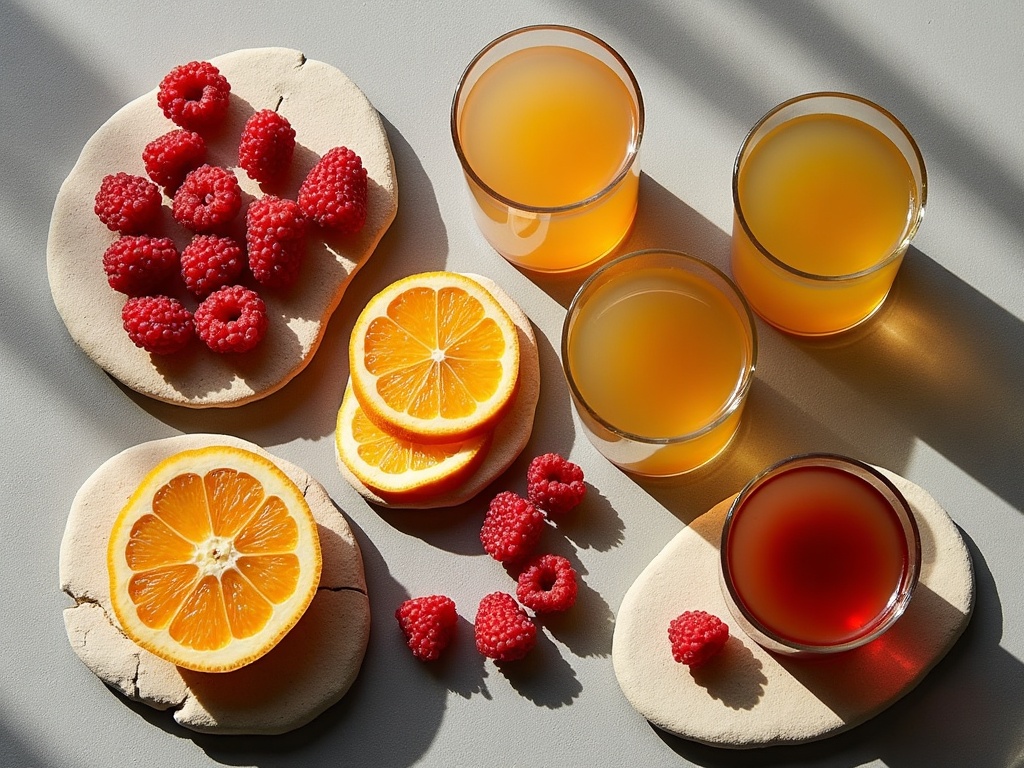
Color and Visual Appeal Vibrant, naturally-colored foods signal freshness and quality to consumers. A bright ruby-red berry drink or deep golden turmeric beverage creates psychological value before the first sip.
Building Sugar-Conscious Menus That Sell
So how do wellness-focused businesses actually design menus that appeal to both taste and values?
1. Lead with Sensation, Not Subtraction
Describe menu items by what they offer, not what they lack:
- Instead of: "Low-sugar lemon drink"
- Try: "Bright Lemon Clarity Refresher—Sharp, Zesty, Naturally Energizing"
The psychology shift moves customers from "healthy choice" to "experience I want."
2. Use Sour as a Hero Flavor
Many health food brands overlook how sour flavors can create the sensation of intensity and satisfaction without heavy sweetness. Tart citrus, fermented notes, and vinegar-based beverages are increasingly appealing to adventurous consumers.
Consider menu items that celebrate sourness as desirable:
- Kombucha-based drinks
- Yogurt and kefir blends
- Citrus and herb combinations
- Fermented fruit beverages
These naturally reduce the need for added sweetness while creating memorable taste experiences.
3. Create Tasting Narratives
Forward-thinking cafes and restaurants are hosting small tasting events that educate customers about natural flavor profiles. When consumers understand why a drink tastes the way it does—the origin of berries, the fermentation process, the botanical notes—they become invested in the experience.
These events also build brand loyalty and differentiate your business from competitors offering standard sugary menus.
4. Pair Ingredients Strategically
Combine natural ingredients to enhance perceived sweetness without adding sugar:
- Creamy bases (coconut milk, oat cream) with tart fruits
- Warming spices (cinnamon, ginger, cardamom) with citrus
- Herbal notes (vanilla, mint) with sour elements
- Textural elements (seeds, nuts, granola) for satisfaction
This layered approach creates depth that keeps customers coming back.
The Role of Natural Taste Experience Ingredients
As consumers become more sophisticated, they're actively seeking products that offer interesting taste experiences—not just "less sugar."
This has opened opportunities for natural ingredients that can enhance perceived sweetness, add complexity, or create novel sensory experiences. Brands are experimenting with botanical extracts, functional fruits, and fermented ingredients to create genuinely new taste profiles.
For businesses developing private-label products or exploring new menu offerings, sourcing the right natural taste-enhancement ingredients is critical to success.
Consumer Expectations Are Shifting Fast
The wellness market continues to show interest in authentic, multisensory eating experiences. Health-conscious consumers increasingly expect:
- Transparency: Clear understanding of ingredients and sourcing
- Novelty: New and interesting flavor combinations, not just reduced-sugar versions of existing products
- Quality signals: Natural colors, recognizable ingredients, and thoughtful formulation
- Conversation starters: Products and experiences worth sharing on social media
Brands that address these expectations create competitive advantages.
Practical Steps for Your Business
If you're developing new menu items, launching a product line, or redesigning your offerings:
- Audit your current language — Do descriptions focus on what you're removing or what you're offering?
- Experiment with sensory complexity — Test combinations that layer flavors, textures, and aromatic elements
- Host tasting experiences — Educate your audience about natural ingredients and taste profiles
- Source strategically — Partner with suppliers of premium natural ingredients that align with your brand values
- Tell the story — Share why your products taste good and support health-conscious choices
Looking Ahead
The future of sugar-conscious eating isn't about deprivation—it's about innovation. Brands that master taste psychology, invest in ingredient quality, and create genuine sensory experiences will win customer loyalty in ways that traditional "low-sugar" positioning never could.
Whether you're a cafe owner redesigning your menu, a food brand developing new products, or a distributor evaluating ingredients for private-label partnerships, the opportunity is clear: *the market wants taste experiences that feel good and align with their values.*
---
Ready to develop innovative taste experiences for your brand?
If you're sourcing natural taste-enhancement ingredients for beverage development, menu innovation, or product launches, MberryTW offers wholesale, OEM, and export solutions for health-conscious food and beverage brands. Contact us to explore how natural ingredients can elevate your next product or offering.
Interested in miracle berry products, wholesale, or OEM cooperation? Contact Sen Yuh Farm to learn more.
Contact Sen Yuh Farm