Natural vs Artificial Sweeteners: Why Food Brands Are Rethinking Their Sweet Strategy
Food brands are moving away from artificial sweeteners. Discover why natural ingredients and taste modification are reshaping the industry''s sweet strategy.
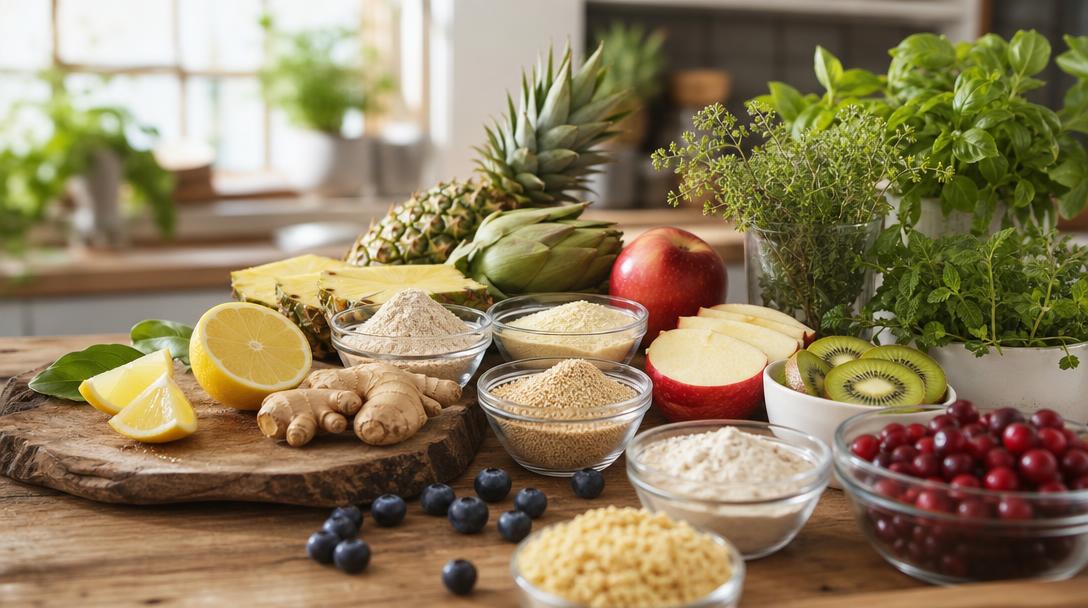
Something quiet but significant is happening inside food product development labs and brand strategy meetings around the world. After decades of leaning heavily on artificial sweeteners to cut sugar and manage calories, a growing number of food and beverage brands are pausing to ask a harder question: is this still the right direction? The debate around natural vs artificial sweeteners in food brands has moved well beyond nutrition blogs and consumer forums — it is now sitting at the center of real business decisions.
The Promise That Artificial Sweeteners Made
Artificial sweeteners arrived with compelling credentials. They offered intense sweetness with little to no caloric contribution, made portion control easier on paper, and gave formulators a reliable tool for producing reduced-sugar versions of popular products. For a long time, this seemed like a straightforward win. Brands could keep flavors familiar while responding to growing pressure around sugar content.
But the practical reality turned out to be more complicated. Many artificial sweeteners carry a lingering aftertaste — a bitterness or chemical note that sits at the back of the palate after swallowing. Formulators have spent enormous energy masking or blending around this issue, sometimes layering in additional flavors that add cost and complexity. Beyond taste, consumer perception has shifted. Shoppers increasingly read ingredient labels, and names like acesulfame potassium or sucralose can trigger hesitation in a way that whole-food ingredients simply do not.
Clean Label Pressure Is Changing Brand Calculus
The clean label movement is not a passing trend — it has matured into a baseline expectation in many product categories. Consumers, particularly younger demographics, have developed a strong preference for ingredient lists they can read and recognize. When a shopper picks up two otherwise similar products and one has a five-syllable synthetic compound while the other lists a fruit extract or naturally derived sweetener, the choice often becomes instinctive.
This creates a real strategic tension for food brands. Reformulating away from artificial sweeteners is not simple. Natural alternatives — things like stevia, monk fruit extract, or date syrup — come with their own taste profiles, cost structures, and formulation challenges. Achieving the sweetness intensity that artificial compounds deliver, while keeping flavor clean and shelf life stable, requires significant R&D investment. The brands doing this work are making a long-term bet on consumer trust over short-term formulation convenience.
Why Taste Modification Represents a Different Kind of Thinking
Most conversations about sweeteners — natural or artificial — assume the same fundamental goal: replace sugar with something that delivers sweetness without the downsides. Taste modification takes a genuinely different approach. Rather than substituting one sweet compound for another, taste modification changes how the palate perceives flavor, allowing foods and beverages to taste sweeter with less sugar, or to make sour and tart ingredients more enjoyable without adding sweetness at all.
This is where miracle berry enters the conversation in a meaningful way. Miracle berry contains a glycoprotein that temporarily binds to taste receptors, causing sour flavors to register as sweet. When someone consumes a miracle berry tablet or miracle berry powder before eating, acidic foods like plain yogurt, citrus fruit, or fermented beverages taste naturally sweet — without any sweetener being added to those foods at all. For food and beverage product development, this opens up a genuinely novel design space. Instead of asking "which sweetener should we use," the question becomes "can we design an eating experience where sweetness emerges from the food itself?"
MberryTW offers miracle berry tablets, miracle berry powder, and dried miracle berry to both individual consumers exploring this concept at home and to B2B buyers interested in incorporating taste modification into product experiences or sampling events.
What This Means for Product Development Strategy
For food brands thinking carefully about the natural vs artificial sweeteners question, taste modification is worth understanding not as a direct ingredient substitute but as a strategic complement. Consider a few scenarios where it adds real value:
Reduced-sugar reformulations: A brand reformulating a product to lower sugar content often faces a palatability gap. The product tastes flat or sour because sugar was doing more than sweetening — it was balancing acid. Introducing a taste modification experience as part of the product's positioning, rather than stuffing more sweetener into the formula, is a creative way to maintain enjoyment.
Better-for-you functional beverages: Fermented drinks, botanical tonics, and probiotic beverages are naturally tart or bitter. Using taste modification to enhance the perception of sweetness means brands can make genuinely low-sugar products that still taste approachable and pleasant.
Consumer engagement and education: Sampling events, subscription boxes, and direct-to-consumer experiences built around taste modification create memorable, shareable moments. When a consumer eats a lemon after a miracle berry tablet and it tastes like lemonade, that is not just a neat trick — it is a powerful demonstration that flavor experience is more complex than any single ingredient.
The Industry Is Asking Better Questions
The shift happening now in the food industry is less about which specific sweetener wins and more about whether the entire sweetener substitution framework is the best lens for the problem. Consumers want food that tastes genuinely good, uses ingredients they trust, and aligns with a broader story of wellness and transparency. Artificial sweeteners, for all their technical advantages, often struggle to deliver on the last two. Many natural sweeteners deliver on trust but introduce their own taste and cost challenges.
Taste modification does not replace either category, but it represents a more fundamental rethinking of how sweetness works — and that kind of thinking is exactly what the industry needs more of right now.
FAQ: Natural vs Artificial Sweeteners for Food Brands
Q: Are natural sweeteners always better than artificial ones for food products? A: Not automatically. Natural sweeteners like stevia or monk fruit can still produce off-notes or cost challenges depending on the application. "Natural" is an important signal to consumers but does not guarantee a superior sensory outcome. Formulators still need to match the right ingredient to the right product.
Q: Can miracle berry powder be used as a direct sweetener in food manufacturing? A: Miracle berry powder works by modifying taste perception rather than by adding sweetness as a compound. It is not a drop-in sweetener replacement in the way stevia or sucralose might be. Its value in food and beverage contexts tends to be in experience design, sampling, and products where the interaction between the berry and the food is part of the intended consumption moment.
Q: Why are food brands investing in taste modification research now? A: Growing pressure to reduce added sugars, combined with consumer resistance to artificial sweeteners, has created demand for genuinely new approaches. Taste modification offers a way to explore sweetness reduction that does not depend on finding a better synthetic compound — it works with the biology of flavor perception directly, which is a fundamentally different and increasingly interesting direction for the industry.
Interested in miracle berry products, wholesale, or OEM cooperation? Contact Sen Yuh Farm to learn more.
Contact Sen Yuh Farm