Miraculin How It Works: The Science Behind the Sour-to-Sweet Magic
Curious how miraculin tricks your taste buds? Discover the simple science behind how this protein turns sour foods surprisingly sweet.
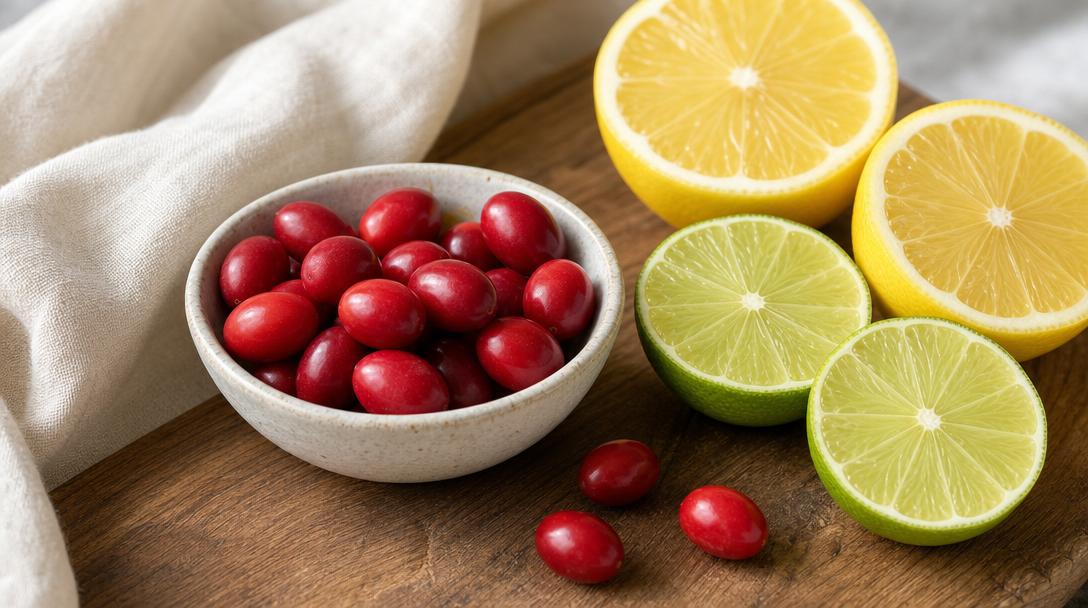
Have you ever bitten into a lemon right after eating a miracle berry and found it tasting like lemonade? That moment of confusion — sweet, but where did the sour go? — is one of the most genuinely surprising things your taste buds can experience. And it all comes down to a single protein called miraculin. Understanding how miraculin works isn't as complicated as it sounds, and once you get it, the whole experience makes perfect sense.
What Exactly Is Miraculin?
Miraculin is a glycoprotein — a protein with sugar molecules attached — found naturally in the pulp of the miracle berry fruit (Synsepalum dulcificum), a small red berry native to West Africa. The protein was first isolated and named in the early 1960s by researcher Kenzo Kurihara, who was fascinated by reports that locals had been using the berry to sweeten sour or bland foods for generations.
What makes miraculin special is that it doesn't have a strong taste of its own at a neutral pH. If you eat a miracle berry and immediately drink plain water, nothing dramatic happens. The magic only kicks in when something acidic — something sour — enters the picture.
Meet Your Sweet Taste Receptors: T1R2 and T1R3
To understand what miraculin does, you first need a quick introduction to how sweetness is detected. Your tongue is covered in taste buds, and inside those taste buds are specialized receptor proteins. The ones responsible for detecting sweetness are called T1R2 and T1R3 — they work together as a pair, forming a single functional receptor unit.
Under normal circumstances, this T1R2/T1R3 receptor responds to sweet molecules like sugar and certain artificial sweeteners. When a sweet molecule binds to the receptor, it triggers a signal that travels to your brain, which registers the sensation as sweetness.
Now here's where miraculin enters the picture in a surprisingly clever way.
How Miraculin Binds to the Sweet Receptor
When you eat a miracle berry — whether that's a fresh berry, a dried miracle berry, or a miracle berry tablet — the miraculin protein coats your taste buds and attaches to those T1R2/T1R3 sweet receptors. At a neutral pH (roughly the environment in your mouth when you're not eating anything acidic), miraculin binds to the receptor but doesn't fully activate it. It just sits there, latched on, essentially blocking the receptor without switching it on.
This binding phase is passive. The miraculin is ready and waiting, but nothing unusual happens yet.
The transformation begins the moment something acidic touches your tongue. Acids lower the pH in your mouth — they make the environment more acidic. This pH shift causes a conformational change in the miraculin protein, meaning the protein's shape physically changes. And that shape change is just enough to flip the T1R2/T1R3 receptor into its active state.
The receptor fires. Your brain receives the sweetness signal. And your lemon slice suddenly tastes like candy.
Why Sour Foods Taste Sweet (Not Just Less Sour)
This is the part people often find the most surprising: miraculin doesn't just neutralize sourness. It actively generates a perception of sweetness. You're not simply losing the sour sensation — you're gaining a new sweet one in its place.
The reason is that miraculin is specifically triggering your body's own sweetness-detection pathway. It's using the same receptors, the same signaling cascade, and the same brain regions that respond to real sugar. Your nervous system isn't being tricked into ignoring acid; it's being given a genuine sweetness signal, just produced through an unusual mechanism.
Because the intensity of that activation depends on how acidic the food is, stronger acids tend to produce a more pronounced sweet sensation. A slice of lime, which is very acidic, can taste almost like lime sorbet. Strawberries, which are mildly acidic, may just taste richer and sweeter than usual. The effect scales with acidity.
How Long Does the Effect Last?
The miracle berry experience typically lasts somewhere between 20 minutes and an hour, depending on the person, the amount of miraculin consumed, and how much saliva production and eating activity is washing the protein away. As your mouth returns to its normal neutral pH and the miraculin is gradually rinsed off the receptors through eating, drinking water, and natural saliva flow, the sweet transformation fades and everything returns to normal.
This is one reason why miracle berry tablets are so popular for taste-tripping events and flavor exploration sessions — the experience is temporary, controllable, and entirely reversible with no lasting effect on your taste buds. Miracle berry powder is also a flexible option for blending into food experiences or beverage experiments, while dried miracle berry offers a more traditional, whole-fruit approach to enjoying the same miraculin effect.
Does This Affect All Foods the Same Way?
Not equally. Foods that have little to no acidity — like plain bread, most nuts, or unseasoned protein — don't change dramatically because there isn't enough acid to trigger the pH shift that activates the miraculin-bound receptor. The effect is most noticeable and most dramatic with:
- Citrus fruits (lemons, limes, grapefruits, oranges)
- Berries (strawberries, raspberries, blueberries)
- Vinegar-based foods (pickles, dressings)
- Fermented foods and some cheeses
- Unsweetened yogurt or kefir
The more acidic the food, the more the miraculin protein activates, and the sweeter things taste.
---
Frequently Asked Questions
Q: Is miraculin a sweetener like sugar or stevia? A: Not exactly. Miraculin doesn't contribute sweetness directly the way sugar or stevia does. It works by temporarily modifying how your taste receptors respond to acidic conditions, using your own receptor biology to generate a sweetness signal. It's more of a taste-modifying protein than a traditional sweetener.
Q: Is the miraculin effect safe? A: Miracle berries have a long history of traditional use in West Africa, and miraculin is a naturally occurring food protein. As with any food, individual responses vary, and if you have specific dietary concerns or health conditions, it's always a good idea to consult with a healthcare professional before trying something new.
Q: Does miraculin work the same way in miracle berry tablets and dried miracle berry? A: Yes. Whether miraculin comes from a fresh berry, a dried miracle berry, or is concentrated into a miracle berry tablet or miracle berry powder, the protein itself functions the same way — binding to T1R2/T1R3 receptors and activating them in response to acidity. Product format mainly affects convenience and how the miraculin is delivered to your taste buds.
Interested in miracle berry products, wholesale, or OEM cooperation? Contact Sen Yuh Farm to learn more.
Contact Sen Yuh Farm