Miracle Berry Wholesale Sourcing: A Practical Guide for Retailers and Distributors
Planning to source miracle berry products wholesale? Learn what to look for in a supplier, MOQ tips, product forms, and quality evaluation.
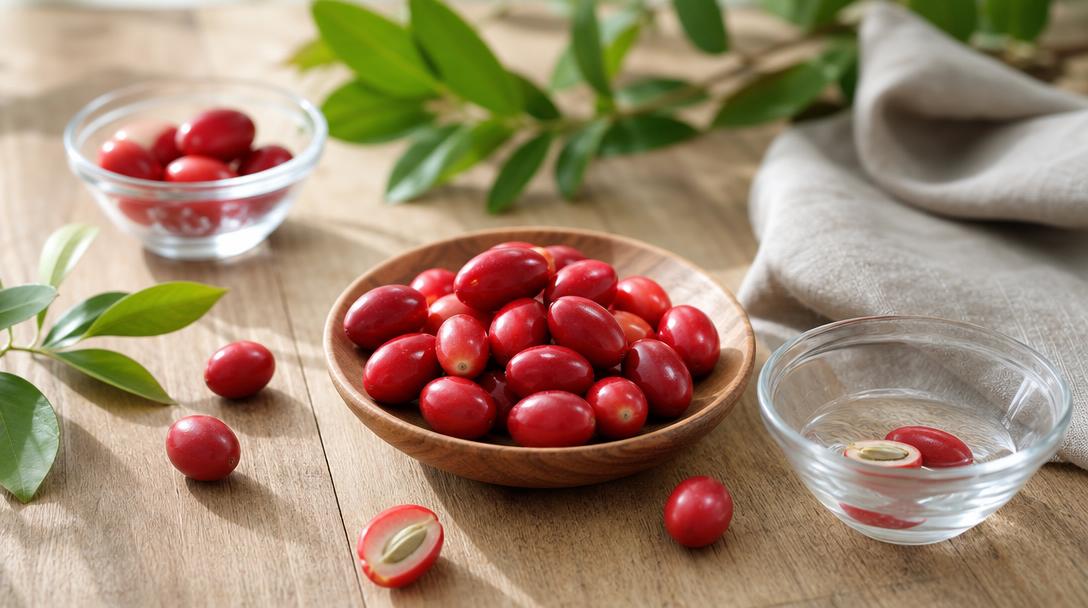
If you're a retailer, health food distributor, or specialty importer exploring the miracle berry category, you've likely already noticed that consumer interest in this product has been quietly building for years. The appeal is straightforward: miracle berry tablets, miracle berry powder, and dried miracle berry offer something genuinely novel — a natural, plant-derived taste experience that fits naturally into the wellness, low-sugar, and experiential food trends that are driving purchasing decisions right now. The challenge, of course, isn't finding demand. It's finding a reliable supplier who can meet your quality standards, timelines, and business requirements. This guide walks you through exactly what to evaluate before you commit to a wholesale relationship.
Understanding the Product Forms Available for Wholesale
Before you approach any supplier, it helps to know what you're actually sourcing. Miracle berry products come in three main forms, each suited to different retail contexts and customer use cases.
Miracle berry tablets are the most popular format for retail. They're shelf-stable, easy to dose, and familiar to consumers who already take supplements or functional food products. Tablets are a strong choice if you're distributing through health food stores, online marketplaces, or lifestyle subscription boxes.
Miracle berry powder is a more versatile ingredient-forward format. It's popular with buyers who supply specialty cafés, culinary retailers, or health-conscious food brands looking to incorporate the ingredient into blended products. If your customer base skews toward food service or DIY wellness, powder may be your primary ask.
Dried miracle berry appeals to premium buyers — specialty grocers, gift retailers, and experiential food brands. It's the closest to the whole fruit, which carries its own storytelling value for brands leaning into natural and artisanal positioning.
Knowing which format aligns with your channel before you start supplier conversations saves time and helps you ask sharper questions.
What to Look for in a Miracle Berry Supplier
Not all suppliers in this category are equal, and the differences matter more than they might in commodity categories. Here's what deserves your attention.
Traceability and sourcing transparency. Miracle berry (Synsepalum dulcificum) is primarily grown in West Africa and parts of Southeast Asia. A credible supplier should be able to tell you where the fruit is sourced, how it's processed, and what quality controls are in place at origin. Vague answers here are a red flag.
Manufacturing credentials. Look for suppliers with documented food safety certifications relevant to your target market — whether that's FDA registration, EU food safety compliance, or local equivalent standards. If you're sourcing from Taiwan or another Asian manufacturing hub, check whether the facility operates under GMP (Good Manufacturing Practice) guidelines.
Stability and active compound handling. The taste-modifying property of miracle berry depends on a glycoprotein called miraculin, which is sensitive to heat and pH. A quality manufacturer will have established protocols for protecting this compound through processing and storage. Ask about their stability testing and recommended storage conditions.
Label and packaging flexibility. For distributors who need private-label or OEM options, check whether the supplier can accommodate custom branding, multilingual labeling, or specific packaging formats. This matters significantly if you're building your own brand around the product.
MOQ Considerations and Getting the Numbers Right
Minimum order quantities in this category vary widely depending on product form and supplier scale. Tablets tend to have more accessible MOQs because the manufacturing process is more standardized. Powder and dried berry often require larger commitments due to sourcing and processing complexity.
A few practical points to keep in mind:
- Test orders matter. A good supplier will allow a sample or small trial order before you commit to full wholesale volumes. If a supplier pushes back on any kind of trial, that's worth noting.
- Think in terms of SKU variety. If you want to carry multiple forms — tablets and powder, for example — ask whether combined orders across SKUs can count toward MOQ thresholds.
- Factor in lead time. Depending on your location and the supplier's production schedule, lead times can range from a few weeks to a couple of months. Build this into your inventory planning, especially for seasonal promotions or product launches.
- Understand pricing tiers. Most suppliers offer better per-unit pricing at higher volumes. Get the full pricing ladder upfront so you can model your margins accurately before placing your first real order.
How to Evaluate Product Quality Before You Buy
Quality evaluation for miracle berry products has some nuances that differ from standard health food sourcing.
For miracle berry tablets, the most direct quality test is efficacy — do they actually work as expected? Request samples and test them yourself or with a small consumer panel. A tablet that fails to deliver the expected taste-modifying experience is not a viable retail product, regardless of how good the certificate of analysis looks on paper.
For miracle berry powder, ask for documentation on active compound concentration and how it was tested. Solubility, color consistency, and aroma are also practical indicators of processing quality.
For dried miracle berry, evaluate moisture content, color uniformity, and whether the supplier can provide information on how the fruit was dried and stored. Improperly dried product degrades faster and delivers inconsistent results.
In all cases, request a full certificate of analysis (COA) from a third-party lab. This is standard practice in responsible food ingredient sourcing and any established supplier should provide it without hesitation.
Building a Long-Term Wholesale Relationship
The best wholesale partnerships in specialty food categories are built on communication, not just price. Once you've vetted a supplier on the basics, consider how they handle the less obvious parts of the relationship: Are they responsive when you have questions? Do they proactively flag supply issues or production delays? Can they scale with you if your order volumes grow?
For buyers interested in OEM or co-branded development, also explore whether your supplier has experience working through regulatory requirements in your target markets. Labeling claims, import documentation, and health food category classifications differ by country, and a supplier who has navigated these before will save you significant time and legal exposure.
At MberryTW.org, we work with wholesale buyers and OEM partners across multiple markets and product formats. If you're evaluating suppliers, we're happy to walk you through our sourcing, manufacturing process, and what a wholesale or OEM engagement looks like in practice.
FAQ
Q: Can I order a mix of miracle berry tablets, miracle berry powder, and dried miracle berry in a single wholesale order?\ A: Yes, most established suppliers — including MberryTW.org — can accommodate mixed-format orders. It's worth asking upfront whether combined SKU volumes count toward a single MOQ threshold, as this can make smaller initial orders more accessible.
Q: How should miracle berry products be stored and shipped to maintain quality?\ A: Miracle berry products are sensitive to heat and humidity, particularly the active compound miraculin. Tablets and powder should be stored in cool, dry conditions away from direct light. For longer shipping distances, ask your supplier about recommended packaging for temperature-sensitive transit.
Q: Do I need special import documentation to bring miracle berry products into my country?\ A: Import requirements vary by country and product form. In most markets, miracle berry products fall under general food or dietary supplement import categories, but you should verify this with your local customs authority or a freight forwarder experienced in health food imports. A supplier with international wholesale experience can often provide guidance based on where they've shipped before.
Interested in miracle berry products, wholesale, or OEM cooperation? Contact Sen Yuh Farm to learn more.
Contact Sen Yuh Farm