Miracle Berry vs Natural Sweeteners: Why the Difference Is All About How You Taste
Miracle berry, stevia, monk fruit — how are they different? Learn why mechanism matters more than calories in this friendly, educational comparison.
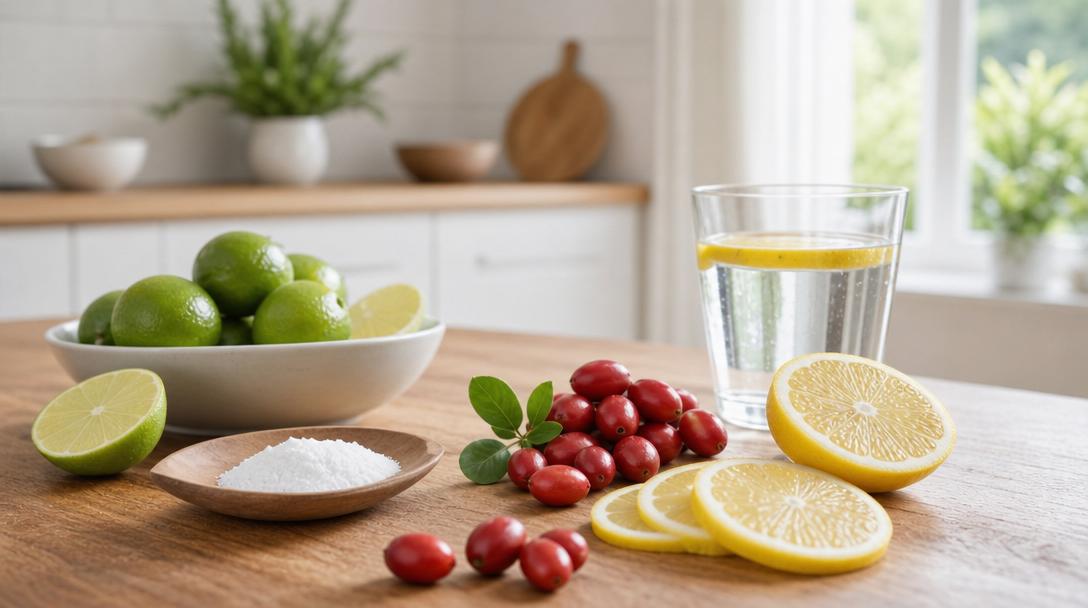
When people first hear about miracle berry, they often ask the same question: is it just another natural sweetener, like stevia or monk fruit? The short answer is no — and the reason why is genuinely fascinating. While stevia, monk fruit, and similar ingredients work by delivering sweetness directly to your taste buds, miracle berry does something completely different. It temporarily changes how your taste buds perceive flavor, rather than adding any sweetness of its own. That distinction might sound subtle, but it opens up a whole different world of culinary and lifestyle applications.
What Natural Sweeteners Actually Do
Let's start with the familiar players. Stevia is derived from the leaves of the Stevia rebaudiana plant and contains compounds called steviol glycosides. These compounds bind to sweet taste receptors on your tongue and trigger a sweet signal — just like sugar does, but without the calories. Monk fruit (also called luo han guo) works in essentially the same way, using antioxidant compounds called mogrosides to stimulate those same sweet receptors.
Other natural sweeteners like allulose, xylitol, and erythritol follow a similar logic: they either activate sweet receptors or behave chemically like sugar in a way your tongue recognizes as sweet. The result is a sweet taste experience that can substitute for sugar in foods and drinks.
This is a straightforward substitution model. You use a natural sweetener in place of sugar. The food or drink tastes sweet because the ingredient makes it taste sweet.
How Miracle Berry Works Differently
Miracle berry (the fruit of Synsepalum dulcificum, a West African plant) contains a glycoprotein called miraculin. When you consume miracle berry — whether as a dried miracle berry, a miracle berry tablet, or miracle berry powder — miraculin coats the taste receptors on your tongue. At a neutral pH, it sits quietly without doing much. But when something acidic enters the picture, the low pH causes miraculin to bind more tightly to sweet receptors and activate them.
The result? Sour foods taste sweet. A slice of lemon that would normally make you wince tastes like lemonade. Plain Greek yogurt tastes almost dessert-like. Unsweetened cranberry juice transforms into something you'd actually enjoy sipping.
Critically, miracle berry doesn't add sweetness — it redirects your perception of sourness into sweetness. No sweetness compound is entering your bloodstream. No sweetener is being metabolized. The effect is entirely about how your taste receptors interpret the signals they're receiving, and it typically lasts anywhere from 30 minutes to about 90 minutes depending on the individual.
Mechanism vs. Calories: Why This Comparison Matters
Most comparisons between sweeteners focus on calories. Stevia has zero calories. Monk fruit has zero calories. Miracle berry has a negligible caloric contribution. So on a calorie scoreboard, they might all look similar.
But focusing only on calories misses the real story. The meaningful difference is in mechanism:
- Stevia and monk fruit directly stimulate sweet taste receptors, making things taste sweet that otherwise wouldn't.
- Miracle berry modifies how your taste receptors respond to acidity, turning sour into sweet without adding any sweetening compound.
This means they're not really competing for the same use case. You don't drop miracle berry powder into your coffee the way you'd use stevia. Instead, miracle berry works as a flavor-experience modifier — something you consume before eating or drinking, after which naturally sour, tart, or acidic foods take on a sweeter character.
For anyone experimenting with reducing sugar intake, both approaches have their place. Stevia and monk fruit help you make sweet foods and drinks without sugar. Miracle berry helps you enjoy foods that are naturally low in sugar — citrus, fermented dairy, certain fruits — in a way that feels indulgent without actually adding sweetness or sugar.
Practical Uses: Where Each One Shines
Understanding the mechanism also tells you when to reach for each option.
Use stevia or monk fruit when: you're baking, making a smoothie, brewing tea, or any situation where you need the food or drink itself to taste sweet. These are drop-in sugar alternatives.
Use miracle berry when: you want to explore a flavor transformation experience, make tart whole foods more palatable, or reduce your reliance on added sweeteners by leaning into naturally acidic ingredients. Miracle berry tablets are particularly convenient for this — dissolve one on your tongue before a meal or tasting session and experience the shift firsthand. Miracle berry powder can also be stirred into recipes or sprinkled before eating. Dried miracle berry offers a whole-fruit experience for those who prefer minimal processing.
Think of it this way: stevia sweetens what you're eating. Miracle berry changes how you taste what you're eating. Both are interesting tools, but they belong in different drawers.
Taste Profile Considerations
One practical note worth mentioning: stevia and monk fruit are not universally loved for their taste. Stevia in particular has a characteristic aftertaste that many people find slightly bitter or licorice-like, especially at higher concentrations. Monk fruit tends to be cleaner but can still carry a distinct character in large amounts.
Miracle berry has no inherent flavor when consumed — it's essentially tasteless on its own. The experience it creates depends entirely on what you eat afterward. This makes it uniquely flexible, since the resulting flavor profile comes from real whole foods, not from a synthesized or extracted sweet compound.
FAQ
Q: Can I use miracle berry the same way I use stevia in cooking? Not exactly. Stevia is an ingredient you add to food or drinks to make them taste sweet. Miracle berry works by modifying your perception before you eat — you consume it first, then the sour or tart foods you eat afterward taste sweeter. It's a different tool with a different application.
Q: Does miracle berry contain sugar or contribute sweetness to food? No. Miracle berry does not add any sugar or sweetening compound to food. The sweetness you experience after consuming it comes from your taste receptors responding differently to acidic foods, not from any sugar entering your body.
Q: Is miracle berry better than stevia? Neither is universally "better" — they serve different purposes. If you need to sweeten a drink or recipe, stevia or monk fruit are the practical choice. If you want to transform the way naturally sour or tart foods taste, miracle berry is uniquely suited for that experience. Many people find value in both, used in different contexts.
Interested in miracle berry products, wholesale, or OEM cooperation? Contact Sen Yuh Farm to learn more.
Contact Sen Yuh Farm