Miracle Berry Product Line Guide for Brand Owners: Tablets, Powder & Dried Fruit
Building a miracle berry product line? Learn how to choose product forms, define your market, and work with the right supplier. Strategic guide for brand owners.
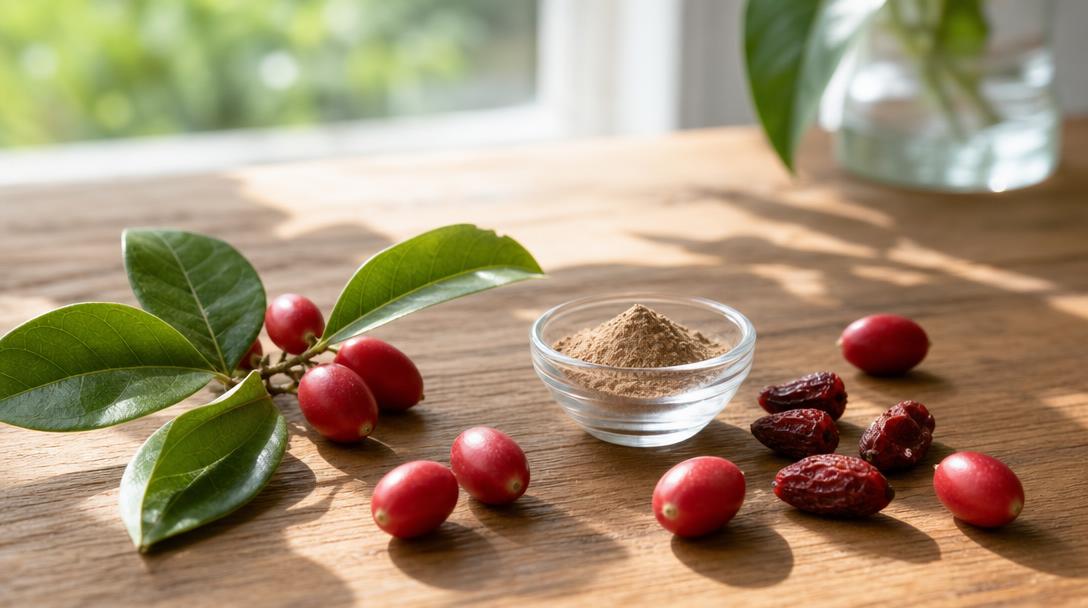
Building a product line around miracle berry is one of the more exciting opportunities in the functional food space right now. The concept is genuinely compelling — a natural tropical fruit that temporarily alters how taste receptors respond to sour and bitter flavors — and consumer curiosity is real. But turning that curiosity into a profitable, defensible brand takes more than sourcing a product and slapping a label on it. This guide is written specifically for brand owners who want to think strategically about miracle berry product line development: how to choose the right product form, how to define your audience, how to position your brand in a crowded wellness market, and how to build a supplier relationship that actually supports long-term growth.
Understanding Your Three Core Product Options
If you are entering the miracle berry space, you will almost certainly be working with one or more of these three forms: miracle berry tablets, miracle berry powder, and dried miracle berry. Each has a distinct profile, and the right choice depends heavily on your brand concept and your customers.
Miracle berry tablets are the most accessible and consumer-friendly format. They dissolve on the tongue and are easy to portion, package, and ship. For brands targeting general wellness consumers, experiential gifting, or flavor-tripping novelty markets, tablets offer a clean, familiar product experience. They also tend to photograph well and are easy to explain on a product page or social post.
Miracle berry powder opens up a different set of use cases. It is highly versatile — usable as an ingredient in beverages, functional food formulations, supplement blends, or B2B ingredient supply. If your brand is thinking about formulation partnerships, food service applications, or a more ingredient-forward positioning, powder is worth serious consideration. It also tends to appeal to buyers who already understand functional ingredients and are looking for flexibility.
Dried miracle berry offers a more premium, whole-food aesthetic. For brands building around natural eating, farm-to-table values, or artisan sensibility, dried berry has a tactile and visual quality that the other formats cannot replicate. It tends to attract a consumer who values minimal processing and appreciates the story behind the fruit itself.
Many successful brand owners do not choose just one. A well-designed product line might lead with tablets for accessibility, offer powder as a professional or bulk SKU, and use dried berry as a premium tier or gift item.
Defining Your Target Market Before You Finalize Anything
This is the step many new brand owners rush past, and it costs them later. Before you finalize product forms, packaging, pricing, or supplier agreements, you need to be clear about who you are building for.
Miracle berry product line brand owners tend to cluster around a few distinct audience types. There are wellness consumers who are curious about natural, functional ingredients and appreciate novelty with purpose. There are low-sugar lifestyle communities — including people managing dietary preferences around sweetness — for whom the flavor-modifying experience has obvious appeal. There are experiential and social consumers who want to create memorable moments at parties, tastings, or events. And there are trade buyers: cafes, restaurants, specialty food retailers, and health food stores who want to offer something genuinely differentiated.
The audience you choose shapes everything downstream. It determines your packaging language, your price point, your distribution channel, and the claims you can and cannot make responsibly. Take the time to map this out clearly before you go to market.
Positioning Options: How You Frame the Brand Matters
In a market where consumers are increasingly skeptical of overclaiming, the most durable positioning for a miracle berry brand is honest, curious, and experience-led. You are not selling a supplement with clinical outcomes. You are offering something genuinely unusual — a natural sensory experience that invites people to interact with food differently.
Some positioning directions that work well include:
- Flavor exploration and sensory novelty — leaning into the experience itself, the fun and surprise of tasting sour foods after using the berry
- Mindful eating and sugar-awareness — framing the product as a tool for enjoying naturally tart foods more fully, without added sweeteners
- Premium natural ingredients — particularly for powder or dried berry, emphasizing origin, minimal processing, and ingredient integrity
- Gifting and occasions — tablets especially are well-suited for curated experience gift sets, tasting kits, and event use
What you want to avoid is any positioning that implies treatment, prevention, or medical benefit. Keep your language in the experiential and lifestyle register. That is both the responsible approach and, honestly, the more compelling one for today's consumer.
Building a Supplier Relationship That Grows With You
For brand owners, the supplier relationship is not a commodity transaction. It is a strategic partnership that will affect your product quality, your ability to scale, your documentation for regulatory purposes, and your flexibility to innovate over time.
When evaluating a miracle berry supplier, look beyond price per unit. Ask about production consistency, available certifications, minimum order quantities at different stages of your growth, and whether they offer OEM or private label support. A supplier who can grow with you — who can support small initial runs and scale as your brand gains traction — is significantly more valuable than one who offers the lowest per-unit cost but has rigid MOQs or inconsistent quality.
It is also worth asking explicitly about documentation: certificates of analysis, origin documentation, and any relevant food safety certifications. These matter both for your own quality assurance and for any retail or B2B buyers who will want to audit your supply chain.
At MberryTW, we work with brand owners at multiple stages — from early-concept product development to established brands looking to expand their SKU range or improve ingredient sourcing. If you are exploring what a supplier partnership in this space looks like, we are happy to have that conversation.
Planning for SKU Expansion and Long-Term Differentiation
One mistake early-stage brand owners sometimes make is launching with too many SKUs before they understand what their customers actually want. Start focused. Lead with one or two product forms that best match your core audience and positioning, build the feedback loop, then expand.
Over time, differentiation in the miracle berry space will increasingly come from combination formulations, packaging design, storytelling, and community building — not just from the product itself. Brand owners who invest early in those intangible assets will have more durable competitive positions than those who compete purely on product specification.
FAQ
Q: Which product form is best for a first-time miracle berry brand launch? A: For most brand owners, miracle berry tablets are the most practical starting point. They are easy to explain, easy to ship, familiar to consumers, and work well across direct-to-consumer and gifting channels. As you learn more about your customers, you can consider adding miracle berry powder or dried miracle berry to your line.
Q: Can I use miracle berry products in food service or B2B supply? A: Yes. Miracle berry powder in particular is well-suited to food service, beverage formulation, and ingredient supply applications. If you are targeting trade buyers, it is worth discussing bulk formats, documentation requirements, and lead times with your supplier early in the process.
Q: How do I work with MberryTW on a private label or OEM project? A: The best starting point is a direct conversation about your brand concept, target volume, and timeline. MberryTW supports brand owners through product form selection, OEM development, and wholesale supply. Reach out through our contact page and let us know where you are in your planning process — we are set up to work with early-stage brands and established buyers alike.
Interested in miracle berry products, wholesale, or OEM cooperation? Contact Sen Yuh Farm to learn more.
Contact Sen Yuh Farm