Miracle Berry Powder for B2B Applications: A Buyer''s Complete Guide
Explore miracle berry powder B2B applications in food manufacturing, foodservice, and OEM. Learn what buyers should ask about stability, sourcing, and more.
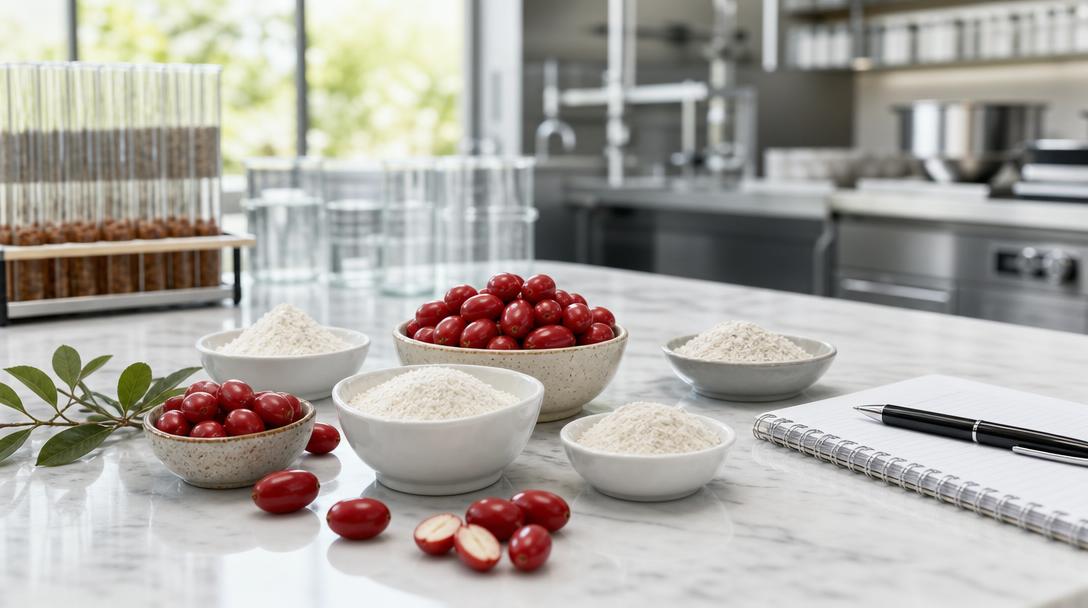
If you work in food product development, beverage formulation, or foodservice innovation, you've probably started hearing more about miracle berry powder as a functional ingredient. The interest is real and growing — and for good reason. Miracle berry powder opens up a range of creative applications that simply aren't possible with the whole fruit or even the tablet form. This guide walks through what miracle berry powder actually is, how it compares to tablets, where it fits in commercial and manufacturing contexts, and what smart buyers should be asking before they commit to a supplier.
What Is Miracle Berry Powder?
Miracle berry powder is derived from the fruit of Synsepalum dulcificum, a West African plant whose berries contain a glycoprotein called miraculin. When miraculin binds to taste receptors on the tongue, it temporarily makes sour foods and beverages taste sweet — without adding sugar. The powder form is typically produced by freeze-drying or spray-drying the fruit pulp, then milling it into a fine, shelf-stable powder.
This processing matters a great deal for B2B buyers. Unlike whole dried miracle berry or miracle berry tablets — which are mostly consumed directly — miracle berry powder is designed to be incorporated into other products. The particle size, moisture content, and miraculin activity of the powder all influence how it performs when blended into a formulation. Good suppliers will have specifications for all of these, and you should ask for them.
How Miracle Berry Powder Differs from Tablets and Dried Fruit
Miracle berry tablets and dried miracle berry are primarily consumer-facing formats. Tablets are compressed with binders and designed to dissolve slowly on the tongue for a consistent taste-modifying experience. Dried miracle berry is a minimally processed whole-fruit option that appeals to consumers who want something closer to the natural source.
Miracle berry powder sits in a different category. Its key advantages for B2B use are:
- Blendability — Powder mixes into dry formulations, coatings, drink mixes, and culinary preparations far more easily than a tablet or whole fruit piece.
- Dosage flexibility — Manufacturers can dial in the amount of miraculin activity per serving by adjusting inclusion levels, which isn't practical with tablets.
- Longer shelf life potential — When properly processed and stored, freeze-dried powder can maintain miraculin activity for a significantly longer period than fresh or minimally dried fruit.
- Labeling simplicity — For product developers, using a standardized powder ingredient simplifies nutrition labeling and quality control compared to working with whole fruit.
The trade-off is that miraculin is sensitive to heat and pH. Miracle berry powder B2B applications work best when the ingredient is added after any high-heat processing steps, or when the final product environment stays within the pH and temperature ranges that preserve miraculin activity.
Potential Applications in Food Manufacturing and Foodservice
This is where things get genuinely exciting for product developers. The taste-modifying property of miracle berry powder makes it a compelling ingredient in several commercial contexts:
Reduced-sugar product development. One of the most discussed B2B uses is developing beverages, yogurts, dressings, and snacks where the perceived sweetness comes from miraculin's interaction with naturally acidic ingredients rather than from added sugar. Because the mechanism is about taste perception rather than actual sweetening agents, it offers a genuinely different approach to formulation.
Functional beverage mixes. Powdered drink formulations — particularly those featuring citrus, berry, or fermented bases — are a natural fit. When a consumer reconstitutes the drink, any tartness from the acidic components can be perceived as sweetness after miraculin binds to their taste receptors.
Culinary and tasting experience design. High-end restaurants and foodservice operators have experimented with miracle berry as part of curated tasting menus and flavor journey experiences. Miracle berry powder can be incorporated into edible coatings, dusting powders for fruits, or small prepared bites that prime the palate before a course.
Health and wellness product lines. Brands developing products positioned around mindful eating or low-sugar lifestyles may find miracle berry powder a differentiating ingredient that tells a compelling story — rooted in a real, natural source.
It's worth being clear: miracle berry and its powder form are not approved sweeteners under most regulatory frameworks, and they are not a sugar substitute in the technical regulatory sense. Any product development work should involve your regulatory and legal team to ensure labeling and claims are compliant in your target markets.
What B2B Buyers Should Ask About Stability
Miraculin is a protein, and proteins are vulnerable. Before sourcing miracle berry powder for a B2B application, ask your supplier these questions directly:
What is the miraculin activity specification? A reputable supplier should be able to provide a measure of miraculin potency per gram of powder, ideally with batch-level testing documentation. If a supplier can only describe their product in vague sensory terms, that's a red flag.
How was the powder processed? Freeze-drying generally preserves miraculin activity better than spray-drying at high temperatures. Knowing the processing method helps you predict how the powder will behave in your application.
What are the storage and handling requirements? Miracle berry powder typically needs to be kept cool, dry, and away from direct light to maintain activity. Ask for formal storage guidelines and expected shelf life under those conditions.
Has the powder been tested after blending or inclusion in a matrix? If you're incorporating the powder into a finished product, miraculin activity in the final formulation may differ from the raw powder spec. Ideally, your supplier has done stability testing in product matrices, or can support your own testing.
Sourcing Considerations for Wholesale and OEM Buyers
For buyers looking at wholesale quantities or OEM arrangements, sourcing reliability and supply chain transparency are as important as the product spec itself. Miracle berry is grown in specific tropical regions, and supply can vary with harvest cycles and agricultural conditions. When evaluating a supplier:
- Ask about their supply chain — where is the fruit sourced, and do they have direct relationships with growers?
- Request certificates of analysis (COAs) for recent batches, including testing for microbial limits, moisture, and miraculin activity.
- Understand minimum order quantities and lead times, especially if you're planning a product launch with specific timing.
- Clarify what custom options exist — particle size, packaging format, private label, or specific activity levels for OEM needs.
MberryTW works with B2B buyers who need consistency, documentation, and flexibility. Whether you're evaluating miracle berry powder for a product prototype or planning ongoing wholesale procurement, we're set up to support that conversation with real specs and reliable supply.
Frequently Asked Questions
Q: Can miracle berry powder be used in hot beverages or cooked products? A: Miraculin loses its activity when exposed to sustained high heat, so miracle berry powder is not well-suited for applications involving cooking or hot brewing. It works best in ambient-temperature or cold preparations, or as a finishing ingredient added after heat processing.
Q: Is miracle berry powder the same as a sweetener ingredient? A: No. Miracle berry powder is a taste-modifying ingredient — it temporarily alters how sour tastes are perceived rather than adding sweetness chemically. It is not classified as a sweetener under food additive regulations in most markets. Buyers should consult their regulatory advisors for guidance specific to their product category and target market.
Q: What documentation should I request before purchasing miracle berry powder for B2B use? A: At minimum, ask for a certificate of analysis (COA), a product specification sheet with miraculin activity per gram, storage and shelf life data, and information on the processing method used. For food manufacturing applications, food safety certifications relevant to your supply chain standards are also important to request.
Interested in miracle berry products, wholesale, or OEM cooperation? Contact Sen Yuh Farm to learn more.
Contact Sen Yuh Farm