Miracle Berry Myths and Facts: What''s True, What Isn''t, and What You Actually Need to Know
Does miracle berry add sugar? Is it artificial? We separate miracle berry myths from facts with clear, grounded answers — no hype, just honesty.
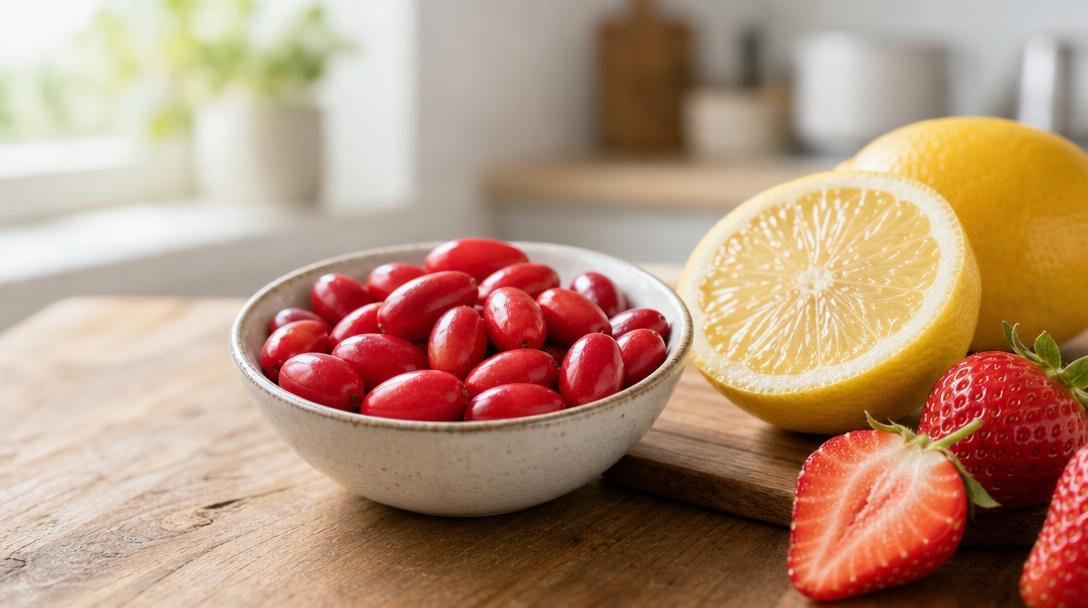
Miracle berries have been around for decades, yet the internet still cycles through the same misunderstandings about them — sometimes overselling what they do, sometimes dismissing them unfairly. If you've heard that miracle berry is some kind of sugar substitute drug, or that it must contain artificial sweeteners, you're not alone. These ideas come up constantly. This article is here to set the record straight, calmly and honestly, so you can decide for yourself whether miracle berry is something worth exploring.
Myth #1: Miracle Berry Must Contain Artificial Sweeteners or Added Sugar
This is probably the most common misconception. People taste something sour — a lemon, plain yogurt, vinegar — and after using miracle berry it suddenly tastes sweet. The first assumption is that something sweet must have been added.
Nothing is added. Miracle berry is a fruit — specifically Synsepalum dulcificum — that naturally contains a glycoprotein called miraculin. When you eat the berry or use a product like miracle berry tablets or dried miracle berry, miraculin binds temporarily to taste receptors on your tongue. Under normal pH conditions it stays inactive. When something acidic comes into contact with those receptors, miraculin activates and creates a sweet perception — without any sugar or sweetener being present in your food at all.
So the sweetness you taste is a perception shift, not a chemical addition. Your lemon still has the same calories and the same composition it always had. The miracle berry product itself doesn't contain added sugar either — it's simply processed fruit.
Myth #2: It's Too Good to Be True — There Must Be a Catch
Fair skepticism. The effect does sound unusual. But unusual doesn't mean fraudulent.
The taste-modifying property of miracle berry has been documented and studied by food scientists and researchers for many years. It's not a marketing invention. The underlying mechanism — miraculin acting on sweet taste receptors in acidic conditions — is well understood at a biochemical level.
That said, being honest about what miracle berry does not do is just as important. It doesn't eliminate calories from the food you eat. It doesn't make unhealthy food healthy. It doesn't work on foods that aren't acidic — a plain piece of bread won't taste like a cinnamon roll just because you've used miracle berry. The effect is real but specific: it alters how sour or acidic flavors are perceived, making them register as sweet.
Expectations matter. If you go in expecting a magical transformation of your entire diet, you may be underwhelmed. If you go in curious about a genuine flavor experience that has real roots in botany and taste science, you'll likely find it fascinating.
Myth #3: Miracle Berry Is a Drug or Medication
It is not. Miracle berry is a fruit. Products like miracle berry tablets and miracle berry powder are food products made from that fruit — nothing more.
This myth sometimes surfaces because people associate strong taste modification with pharmaceuticals, or because there have been historical regulatory discussions in some countries about how to classify foods with unusual functional properties. But classification complexity in regulatory systems doesn't make a fruit a drug.
Miracle berry does not contain any controlled substances, stimulants, or pharmaceutical compounds. It has no known intoxicating effects. Using it doesn't require a prescription. If you have specific health conditions or take medications that interact with certain foods, it's always sensible to check with your healthcare provider — that's true of many foods, not just miracle berry. But by itself, the fruit is simply a fruit.
Myth #4: The Effect Is Just Placebo
Sometimes people who haven't tried miracle berry are skeptical that the effect is real rather than just expectation. This is a reasonable question to ask about any unusual experience.
The placebo explanation doesn't hold up well in practice, though. The taste shift with miracle berry is specific, consistent, and reproducible across different people, different settings, and different acidic foods. Someone who tastes an unsweetened lemon wedge after using miracle berry tablets and finds it tastes like lemonade is experiencing something real and measurable — not a vague impression of wellness that could be attributed to suggestion.
Taste perception is physiological. Miraculin binds to physical receptors. The effect fades as saliva washes the protein away over time — usually within 30 minutes to an hour — which is exactly what you'd expect from a physical binding mechanism rather than a purely psychological effect.
Myth #5: Miracle Berry Is New, Trendy, or Untested
Miracle berry has actually been known in West Africa, where the plant originates, for a very long time. It's not a recent superfood marketing invention. Western food scientists began studying it seriously in the mid-twentieth century. Products like dried miracle berry and miracle berry powder have been commercially available for years in various markets.
The "trendy" label comes partly from internet culture — taste-testing videos have made miracle berry popular on social media — but the fruit itself and its documented properties predate the content cycle by decades. This isn't a flash-in-the-pan ingredient; it's a plant with a well-established record.
Frequently Asked Questions
Q: Does using miracle berry mean I'm consuming fewer calories?
A: Not automatically. Miracle berry changes how you perceive the taste of acidic foods — it doesn't change the nutritional composition of those foods. If the taste shift helps you enjoy lower-sugar or less-processed foods more easily, that could have an indirect effect on your choices, but miracle berry itself isn't a calorie reduction tool.
Q: Can anyone use miracle berry tablets or miracle berry powder?
A: Most healthy adults can enjoy miracle berry products without any issue. As with any food, people with known allergies, specific medical conditions, or complex medication routines should check with their healthcare provider first. Miracle berry is a fruit, but that doesn't make individual circumstances irrelevant.
Q: How long does the taste-modifying effect last?
A: It varies by person and product, but the effect typically lasts anywhere from 20 minutes to about an hour. It fades naturally as saliva breaks down the miraculin coating on your taste receptors. Eating, drinking, or anything that physically clears your mouth will shorten the duration.
---
Miracle berry is genuinely interesting — not because of exaggeration, but because of what it actually is: a real fruit with an unusual and well-documented property. The myths around it tend to emerge either from overselling (it'll change your life, it's magic) or from reflexive skepticism (it must be fake, it must be harmful). Neither extreme is accurate. It's a natural fruit product worth understanding on its own terms, and hopefully this breakdown gives you a clearer picture of what you're actually working with.
Interested in miracle berry products, wholesale, or OEM cooperation? Contact Sen Yuh Farm to learn more.
Contact Sen Yuh Farm