Why Miracle Berry Affects Everyone Differently — And Why That''s Completely Normal
Miracle berry tastes different for everyone. Learn why taste receptors, saliva, food acidity, and expectations all shape your miracle berry individual response.
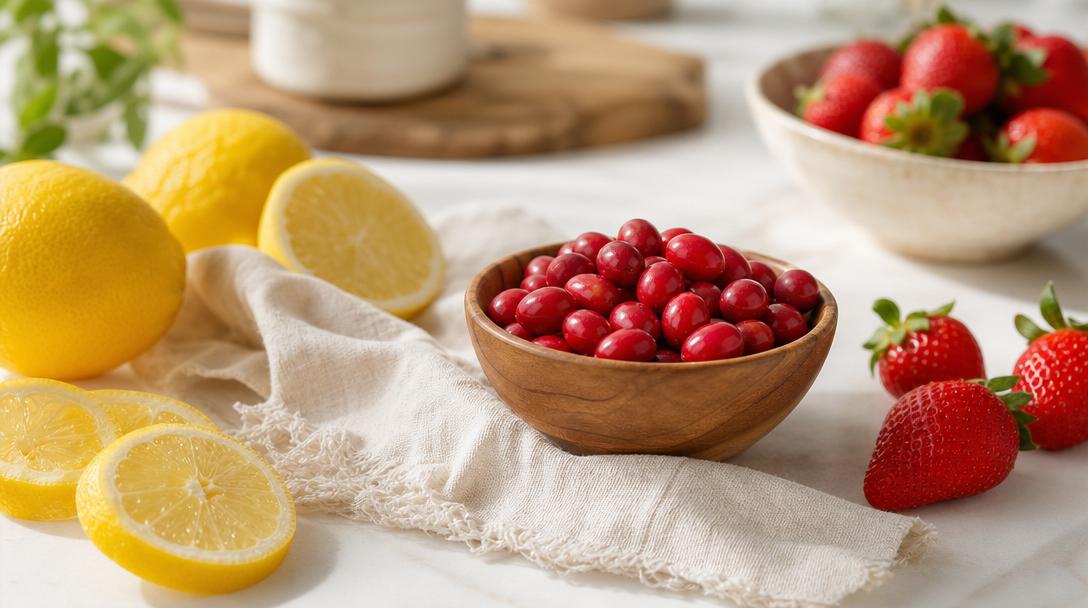
You bite into a lemon slice after trying a miracle berry tablet, and the sourness vanishes — replaced by something almost like lemonade. Your friend tries the exact same thing and says it tastes like sweet lemon candy. Another person insists the effect feels mild. Everyone at the table used the same product, ate the same lemon, and waited the same amount of time. So what's going on? The truth is that miracle berry individual response genuinely varies from person to person, and there are real, science-backed reasons why. Understanding those reasons not only makes the experience less confusing — it makes it a lot more interesting.
How Miracle Berry Actually Works
Before diving into why experiences differ, it helps to understand the basic mechanism. Miracle berries contain a glycoprotein called miraculin. When you let a miracle berry tablet dissolve on your tongue — or chew a piece of dried miracle berry — miraculin binds to the taste receptors responsible for detecting sweetness. Under neutral pH conditions, those receptors stay quiet. But when something acidic enters your mouth and lowers the pH on your tongue, miraculin activates those receptors and triggers a sweet signal. The result: sour foods taste sweet, sometimes dramatically so.
This mechanism is consistent across humans. What varies is everything surrounding it — the sensitivity of your receptors, the chemistry of your saliva, the acidity of the foods you're testing, and even what you expect to taste.
Taste Receptor Variation: Not Everyone's Tongue Is Wired the Same
Human taste perception is far more individual than most people realize. The density and sensitivity of taste receptors on your tongue can differ significantly from one person to the next. Some people are considered supertasters — individuals with a higher concentration of taste receptors who tend to experience flavors more intensely. Others fall on the opposite end of the spectrum and perceive flavors more mildly.
This variation directly affects how dramatically someone perceives the miracle berry effect. A person with highly sensitive sweet receptors may find that a lemon tastes almost indistinguishably sweet after using a miracle berry tablet. Someone with fewer or less responsive sweet receptors might still notice a clear change, but describe it as "less sour" rather than "completely sweet." Neither experience is wrong. Both are accurate reflections of that person's biology.
Age also plays a role. Taste receptor sensitivity tends to shift over time, which is one reason older adults sometimes report subtler flavor experiences in general — not just with miracle berry, but across the board.
Saliva Composition and pH Matter More Than You'd Expect
Your saliva is doing a lot of quiet work in the background of every eating experience. It contains enzymes, proteins, and has its own pH level — all of which can influence how miraculin behaves on your tongue.
If your resting saliva pH is already on the lower (more acidic) end, miraculin may begin activating your sweet receptors more readily, potentially producing a stronger or faster perceived effect. If your saliva tends toward a more neutral or slightly alkaline pH, the activation may be less immediate. Saliva composition also affects how well miraculin adheres to your taste receptors in the first place, and how quickly it washes away.
Factors that influence your saliva on any given day include hydration levels, what you've recently eaten or drunk, stress, and even medications. This is one reason the same person might have a noticeably different miracle berry experience on two separate occasions.
The Role of Food Acidity
The miracle berry experience doesn't happen in isolation — it's a reaction to the specific foods you pair with it. And those foods are not all equally acidic, even when they seem similar.
A lemon from one batch may be measurably more acidic than a lemon from another. A ripe strawberry carries different acid levels than an underripe one. Greek yogurt from one brand has a different pH than yogurt from another. These differences might seem small, but because miraculin's sweet-triggering effect depends on lowering the tongue's pH, the acidity of what you're eating is a key variable.
This is why tasting sessions can feel inconsistent even for the same person. If you try miracle berry tablets with very fresh, tart citrus one day and with mild, slightly sweet citrus another day, the subjective experience will be different. Highly acidic foods tend to produce the most dramatic transformations. Foods that are only mildly acidic may produce a subtler shift that some people barely notice.
Expectations and Mindset Shape Perception
This one often surprises people, but it's well established in sensory science: what you expect to taste influences what you actually perceive. Flavor perception is not a purely physical process — the brain plays a significant role in interpreting and coloring sensory signals.
If someone has read glowing accounts of miracle berry turning lemons into the most incredible sweet experience of their life, they may come in with very high expectations and feel disappointed if their experience is "just" noticeably less sour. Conversely, someone who approaches it with low expectations or genuine skepticism may be caught off guard and find the effect more impressive than anticipated.
First-time users and repeat users also respond differently. After several tastings, some people report that the novelty fades a bit mentally, even if the mechanism itself hasn't changed. Framing matters. When you understand that you're experiencing a real biological interaction — not a trick, not a placebo — and that the range of possible experiences is genuinely wide, you're better positioned to appreciate whatever response you actually have.
What a "Normal" Experience Actually Looks Like
There is no single correct miracle berry experience. A dramatic transformation where lemons taste like sweet lemonade is real and valid. A gentler effect where lime juice tastes noticeably less harsh is equally real and valid. Both are normal outcomes within the wide range of miracle berry individual response.
If you want to give yourself the best chance of a vivid experience, a few practical things help: let the miracle berry tablet dissolve fully on your tongue, coat as much of your tongue's surface as possible, and start with high-acidity foods like citrus, tart berries, or plain yogurt. Staying well-hydrated beforehand supports saliva flow, and avoiding strong flavors immediately before your tasting can help keep your palate neutral.
Miracle berry powder and dried miracle berry work through the same mechanism as tablets — the key is ensuring good contact with your taste receptors before introducing acidic foods.
Frequently Asked Questions
Q: Why did miracle berry work strongly for me but barely at all for my friend? A: Most likely a combination of factors — differences in taste receptor sensitivity, saliva pH and composition, and the specific acidity of the foods you tested. This variation is completely normal and doesn't mean one of you did something wrong.
Q: Does the type of miracle berry product affect how strong the effect is? A: The active compound is the same across miracle berry tablets, miracle berry powder, and dried miracle berry. What matters most is ensuring good contact between the product and your tongue before eating something acidic. Dissolution time and how thoroughly you coat your tongue can make a noticeable difference.
Q: Can I do anything to make the effect stronger? A: Focus on using genuinely high-acidity foods — fresh lemons, limes, tart cranberries, unsweetened plain yogurt. Make sure you're well-hydrated. Let the product dissolve fully and move it around your tongue. These steps optimize the conditions for miraculin to activate your sweet receptors most effectively.
Interested in miracle berry products, wholesale, or OEM cooperation? Contact Sen Yuh Farm to learn more.
Contact Sen Yuh Farm