Miracle Berry History & Origin: From West Africa to Your Table
Explore the fascinating history of miracle berry — from its West African roots and early Western discovery to its global rise and Taiwan-sourced products today.
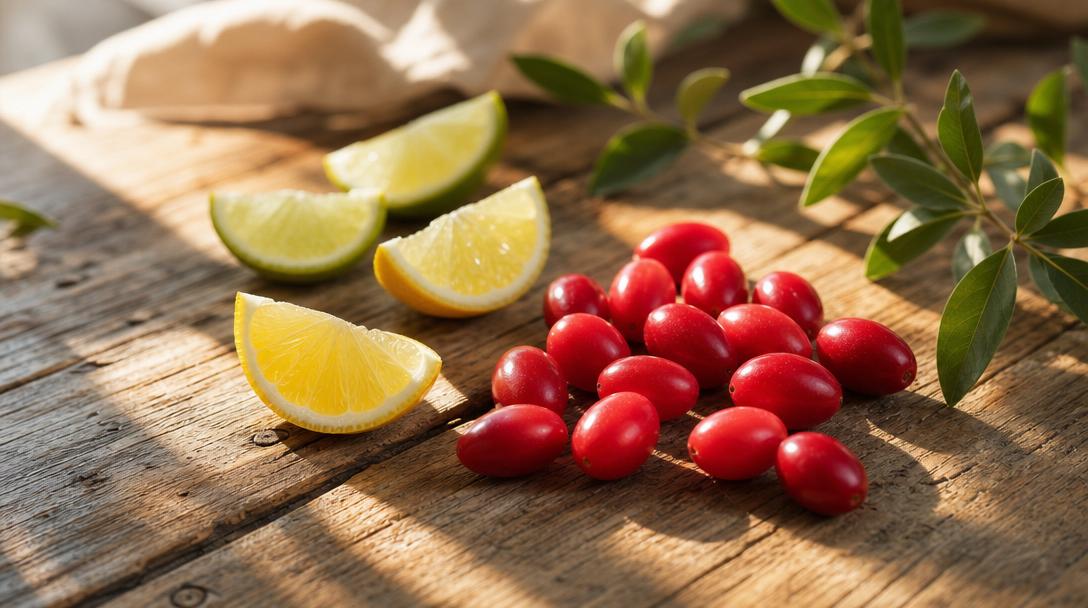
Few foods in the world carry a story as quietly remarkable as the miracle berry. Long before it appeared in trendy flavor-tripping parties or health food conversations online, this small, bright-red fruit was simply part of everyday life for communities across West Africa — a natural tool for making food taste better. Understanding where it came from, who first brought it to Western scientific attention, and how it eventually found its way to a global audience gives you a richer appreciation for every miracle berry tablet, miracle berry powder, or dried miracle berry you try today.
Rooted in West Africa: A Fruit With Deep Local Traditions
The miracle berry (Synsepalum dulcificum) is native to tropical West Africa, where it grows as a shrub or small tree in countries including Ghana, Nigeria, Benin, and Côte d'Ivoire. For generations, local communities in these regions have used the fruit in remarkably practical ways. Before eating sour or fermented foods — things like fermented maize porridge or palm wine — people would chew the berry first. The result was a noticeably sweeter, more pleasant flavor experience that made staple foods more enjoyable.
This wasn't considered magical or unusual to those communities. It was simply something the fruit did, and it had been doing it for as long as anyone could remember. The miracle berry was a kitchen tool, a cultural habit, and a small but meaningful part of daily nourishment — long before the outside world took notice.
The First Western Encounter: Eighteenth-Century Curiosity
The fruit's introduction to Western science is usually traced back to 1725, when French explorer Chevalier des Marchais documented the berry during his travels through West Africa. He observed locals chewing the red berries before meals, particularly before consuming sour or tart foods, and noted the striking effect it had on taste perception. His account is one of the earliest written Western records of what we now understand as taste-modifying behavior.
For the following two centuries, the berry remained largely a curiosity — interesting to travelers and naturalists, but difficult to study or commercialize given the challenges of tropical agriculture and global trade at the time. The fruit perishes quickly after harvest, which made transportation and preservation a significant obstacle to wider study.
Scientific Breakthrough: Isolating Miraculin
The twentieth century brought renewed scientific interest. In the 1960s, researchers began working seriously to understand why the miracle berry changes how sour foods taste. The answer turned out to lie in a glycoprotein found in the berry's flesh, eventually named miraculin — a name derived directly from the berry's common English name.
Miraculin works by binding to taste receptors on the tongue. Under normal, neutral pH conditions, it has little effect. But when the mouth becomes acidic — as it does when you eat something sour — miraculin activates sweet taste receptors, causing sour flavors to register as sweet. Importantly, the berry itself is not intensely sweet. It simply temporarily changes how your tongue interprets acidity. This mechanism is what makes a lemon taste like lemonade and vinegar taste surprisingly mild after you've consumed a miracle berry product.
Researchers in Japan, the United States, and Europe have studied this mechanism with growing interest over the decades, and the scientific literature on miraculin continues to expand. The exact molecular interaction is still an active area of inquiry, which speaks to how genuinely novel this protein is in the landscape of taste science.
From Niche Curiosity to Global Conversation
For much of the late twentieth century, the miracle berry remained largely unknown outside scientific circles and a small community of food enthusiasts. That began to change meaningfully in the 2000s and 2010s, driven in large part by internet culture and the rise of so-called "flavor-tripping" events — gatherings where participants sampled sour, bitter, or unusual foods after consuming a miracle berry product to experience the dramatic shifts in taste perception.
Food bloggers, YouTube creators, and mainstream media outlets picked up the story, and suddenly millions of people around the world were reading about a tiny West African fruit they had never heard of. Online curiosity quickly grew into consumer demand, and the market for miracle berry products — particularly shelf-stable forms like dried miracle berry, miracle berry tablets, and miracle berry powder — began to develop at a meaningful pace.
This shift also encouraged more agricultural investment in regions where the plant could thrive, including parts of Asia with suitable tropical or subtropical climates.
Where Taiwan Fits Into the Modern Story
Taiwan may not be the geographic origin of Synsepalum dulcificum, but it has become a genuinely important part of the fruit's modern story. The island's climate in southern and eastern regions provides suitable growing conditions for the plant, and Taiwanese growers and producers have invested in cultivating high-quality miracle berry fruit with careful attention to consistency and post-harvest handling.
At MberryTW, our products are sourced with a focus on quality at every step — from how the fruit is grown and harvested to how it is processed into the miracle berry tablets, miracle berry powder, and dried miracle berry that reach customers around the world. Taiwan's strengths in food safety standards, agricultural traceability, and efficient global logistics make it a reliable and trustworthy part of the supply chain for a fruit that, by its nature, requires careful handling.
The miracle berry's journey from West African villages to global kitchens and flavor enthusiasts' tables has taken centuries. Taiwan represents one of the more recent and significant chapters in that ongoing story — bringing the fruit's remarkable properties to a broader audience in forms that are convenient, consistent, and accessible.
FAQ: Miracle Berry History & Origins
Q: Is the miracle berry actually from Taiwan? A: No — the miracle berry is native to West Africa, where it has been used in local food traditions for centuries. Taiwan is a modern cultivation and production hub. At MberryTW, we source and process miracle berry in Taiwan to supply high-quality products to customers globally.
Q: What makes miracle berry different from other sweet-tasting fruits? A: Unlike fruits that are simply high in natural sugars, the miracle berry doesn't taste particularly sweet on its own. Its effect comes from miraculin, a glycoprotein that temporarily alters how your taste receptors respond to sour or acidic foods — making them taste sweet instead.
Q: Are miracle berry tablets, miracle berry powder, and dried miracle berry all the same product? A: They all come from the same fruit and share the same active compound, miraculin, but they differ in form and how you might use them. Tablets are convenient and portable. Dried miracle berry preserves more of the whole-fruit experience. Miracle berry powder offers flexibility for culinary use. The right choice depends on your personal preference and how you plan to enjoy the taste-modifying effect.
Interested in miracle berry products, wholesale, or OEM cooperation? Contact Sen Yuh Farm to learn more.
Contact Sen Yuh Farm