Miracle Berry as a Functional Food: What It Means and Why It Matters
Discover what makes a food ''functional,'' how miraculin works as a bioactive compound, and why miracle berry earns its place in the functional food category.
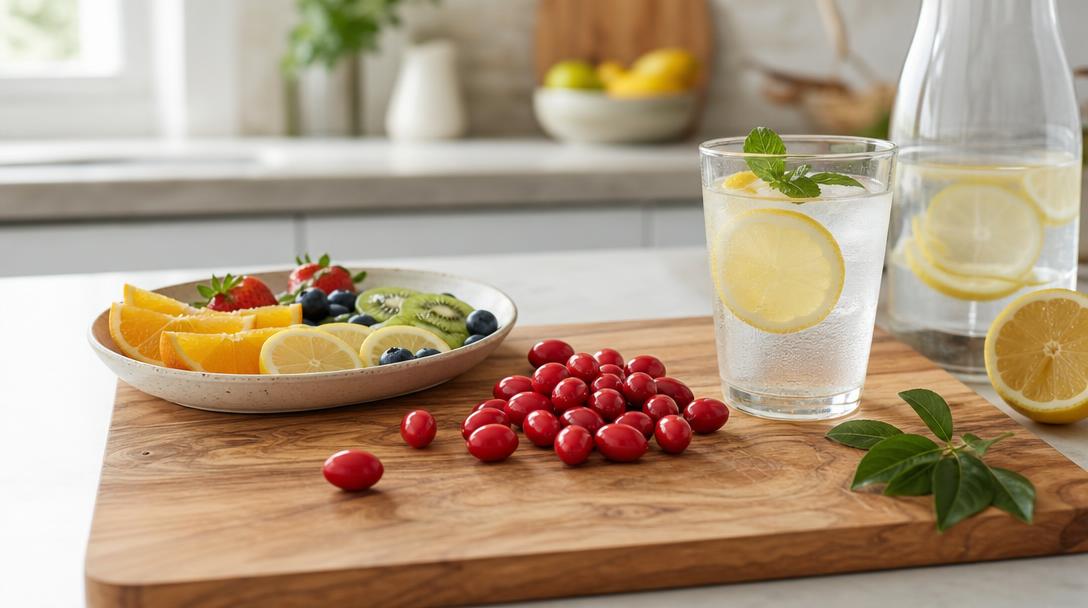
Not every food that ends up in a wellness article actually deserves to be there. But every so often, something comes along that genuinely earns its place — not because of clever marketing, but because of how it works at a biological level. Miracle berry is one of those things. It has a long history of traditional use in West Africa, a fascinating interaction with your taste receptors, and a growing presence in conversations about functional foods. So let's slow down and actually unpack what "functional food" means, why miracle berry fits the category, and what responsible language around these topics looks like.
What Does "Functional Food" Actually Mean?
The term gets thrown around loosely, so it helps to start with a grounded definition. A functional food is generally understood to be a food or food component that provides a benefit beyond basic nutrition. It goes beyond simply supplying calories, protein, fat, or carbohydrates — it contains one or more bioactive compounds that interact with the body in meaningful ways.
Think of it this way: an apple gives you energy and fiber. But certain compounds in that apple — polyphenols, for instance — also interact with cellular processes in ways that extend well beyond basic fuel. That additional layer of biological activity is what earns a food the "functional" label.
Functional foods are not drugs. They do not treat, cure, or prevent any specific disease. That distinction matters enormously, both ethically and legally. Responsible brands and writers in this space are careful to describe what a bioactive compound does mechanistically — how it interacts with a receptor or enzyme — without making therapeutic claims. The benefit is real, but the framing needs to stay honest.
Common examples of widely recognized functional foods include green tea (rich in catechins), fermented foods like yogurt (containing live cultures), and turmeric (containing curcumin). Miracle berry, with its unique protein miraculin, belongs in this same conversation.
Miraculin: The Bioactive Compound at the Center of It All
The defining characteristic of miracle berry — the small, oval, bright-red fruit of the plant Synsepalum dulcificum — is a glycoprotein called miraculin. This is the bioactive compound that makes miracle berry worth discussing in a functional food context.
Miraculin works by binding to the sweet taste receptors on your tongue. Under neutral pH conditions, it binds but does not activate those receptors. When something acidic enters your mouth — a squeeze of lemon juice, a bite of plain yogurt, a sip of vinegar-dressed salad — the lower pH causes miraculin to change shape slightly. This conformational shift activates the sweet receptors, making sour foods taste sweet without any sugar being present.
This effect is temporary. It lasts roughly 30 minutes to an hour depending on the person and how much berry they consumed, after which taste returns to normal. No chemical reaction is happening in the food itself — the sourness of a lemon is unchanged. What changes is how your taste receptors interpret that sourness.
What makes miraculin notable from a functional food standpoint is that it is a specific, identifiable bioactive compound with a documented mechanism of action. That is exactly the kind of evidence base the functional food framework asks for. It is not a vague claim about a fruit being "good for you" — it is a well-characterized protein doing a specific, observable thing.
How Miracle Berry Fits Into the Functional Food Framework
For a food or ingredient to be meaningfully placed in the functional category, a few conditions generally apply: there should be a specific bioactive compound, a plausible and understood mechanism of action, and a real-world application that extends beyond basic nutrition.
Miracle berry checks each of these boxes. Miraculin is the bioactive compound. Its mechanism — binding and conditionally activating sweet taste receptors — is well understood in food science literature. And the practical applications are genuine: helping people explore lower-sugar eating experiences, supporting culinary creativity, and making tart whole foods more enjoyable to eat.
At MberryTW, our products — miracle berry tablets, miracle berry powder, and dried miracle berry — are each designed to deliver miraculin in convenient, consistent forms. Miracle berry tablets are compressed from the freeze-dried fruit pulp and dissolve slowly on your tongue, allowing the miraculin to coat your taste receptors effectively. Miracle berry powder can be incorporated into recipes or tasting experiences where a tablet form is less practical. Dried miracle berry offers a more traditional, whole-fruit experience for those who prefer minimal processing.
None of these products are medicines or supplements in a clinical sense. They are functional food products — ingredients that do something specific and interesting when you eat them.
What Responsible Claims Look Like in This Space
One of the most important conversations in the functional food world is about how brands talk about what their products do. The line between "this bioactive compound does X in your body" and "this product treats Y condition" can seem fine, but crossing it is a serious problem.
Responsible communication describes mechanism, not medical outcome. Saying "miraculin binds to sweet taste receptors and makes sour foods taste sweet" is accurate, grounded, and verifiable. Saying "miracle berry cures sugar addiction" or "miracle berry is clinically proven to help with diabetes management" would be irresponsible — those are medical claims that the evidence does not support and that no food product should make.
This is not just a legal concern, though it certainly is that. It is also about trust. When brands overstate what their products can do, they damage consumer confidence in the broader functional food category. The honest story of miracle berry is genuinely fascinating — it does not need embellishment.
If you are exploring miracle berry for wellness or culinary reasons, look for sources that describe the science clearly, acknowledge what is known and unknown, and avoid sensational health promises.
Miracle Berry in Everyday Wellness Eating
Practically speaking, where does miracle berry fit into someone's daily life? The most natural application is in what the culinary world sometimes calls "flavor tripping" — using miraculin to transform the taste experience of tart, sour, or acidic foods. Citrus fruit tastes like candy. Plain Greek yogurt tastes lightly sweetened. Vinegar-dressed salads become surprisingly mellow.
For people who want to explore eating more whole fruits, fermented foods, or other nutritious but sharp-tasting ingredients, miracle berry offers a genuinely useful bridge. It changes the experience of eating those foods, which can make them more approachable and enjoyable — without adding sugar, artificial sweeteners, or any other additive to the food itself.
This is where the functional food framing matters most in real life. It is not about a dramatic health transformation. It is about a specific, natural tool that makes certain eating patterns easier and more pleasurable to sustain.
Frequently Asked Questions
Q: Is miracle berry a supplement or a food? A: Miracle berry is a food — specifically a tropical fruit with a long history of traditional use. Products like miracle berry tablets and miracle berry powder are made directly from the fruit and are positioned as functional food products, not dietary supplements or medicines.
Q: How long does the taste-modifying effect of miraculin last? A: The effect typically lasts between 30 minutes and about an hour, though individual experience varies. Factors like how thoroughly the tablet is dissolved on your tongue and the intensity of the acidic food you eat can influence the duration.
Q: Can miracle berry be used as a sugar substitute in cooking? A: Miracle berry does not replace sugar in a recipe — it does not sweeten the food itself. Instead, it changes how your taste receptors perceive sour or tart ingredients. Miracle berry powder can be incorporated into culinary experiences where guests eat sour foods after consuming it, but it is not a functional sweetener in the traditional sense.
Interested in miracle berry products, wholesale, or OEM cooperation? Contact Sen Yuh Farm to learn more.
Contact Sen Yuh Farm