Miracle Berry + Lemon, Lime & Grapefruit: What Really Happens to Each Citrus
Discover how miracle berry transforms lemon, lime, and grapefruit differently — and what first-timers should really expect from each citrus.
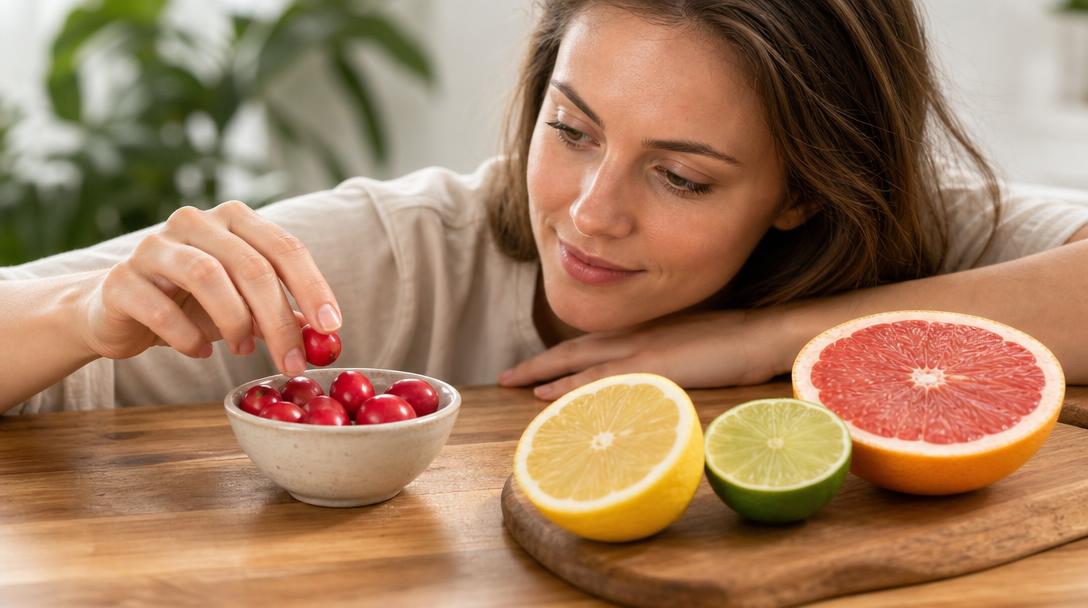
If you have ever bitten into a lemon wedge and tasted something closer to lemonade than face-puckering acid, you already know the basic magic of miracle berry. But here is something most first-timers do not realize until they actually sit down with a full citrus spread: lemon, lime, and grapefruit do not all transform the same way. Each one has its own personality, and miracle berry interacts with that personality in surprisingly different — and honestly fascinating — ways. Whether you are planning your first tasting session or your tenth, understanding what to expect from each citrus type will help you get far more out of the experience.
How Miracle Berry Actually Works With Sour Foods
Before diving into the citrus-by-citrus breakdown, it helps to understand the basic mechanism at play. Miracle berry contains a glycoprotein called miraculin. When you let a miracle berry tablet dissolve on your tongue — or chew a piece of dried miracle berry — miraculin coats your taste receptors. On its own, at a neutral pH, it does not do much. But when something acidic hits your palate, those same receptors fire as if they are detecting sweetness. The sour sensation is dramatically reduced, and in its place you get something that can range from mildly sweet to intensely candy-like depending on the fruit.
The key variable here is the acid profile and the other flavor compounds present in each fruit. Citrus fruits share the same basic acid — citric acid — but they differ in sugar content, aromatic oils, and the presence of bitter compounds. That is exactly why lemon, lime, and grapefruit each deliver a distinctly different experience after miracle berry.
Lemon: The Classic Starting Point
Lemon is the most popular miracle berry pairing for good reason. It is high in citric acid, relatively low in natural sugar, and has a clean, familiar flavor that most people already enjoy. When you bite into a lemon wedge after letting a miracle berry tablet dissolve completely on your tongue, the sourness is almost entirely replaced by a bright, sweet flavor that tastes remarkably like lemonade — fresh-squeezed lemonade with no added sugar.
First-timers often reach for lemon first, and it rarely disappoints. The transformation feels complete and satisfying. There is very little bitterness in lemon to complicate the experience, which means miracle berry has an almost unobstructed runway to do its thing. The result is sweet, citrusy, and genuinely surprising even when you know what is coming.
One tip: do not just squeeze the juice. Actually bite into the wedge or eat small pieces of the flesh. You get a fuller sensory experience that way, and the flavor tends to be richer and more complex than juice alone.
Lime: Sharper, Greener, and a Little More Intense
Lime is where things get interesting. Like lemon, lime is highly acidic, but it carries a more assertive aromatic profile — those volatile oils in lime zest and flesh give it a distinctly sharper, almost herbal edge. After miracle berry, the sourness softens in the same way it does with lemon, but the underlying flavor that emerges is different. Most people describe it as intensely sweet with a floral, almost tropical quality — somewhere between a very ripe citrus fruit and a candy.
Some people prefer lime over lemon precisely because that sharpness creates a more layered sweetness. Others find it almost too intense at first. If you are running a tasting session and introducing people to miracle berry for the first time, lemon is usually the better starting point. Once they have their bearings, lime makes for a fantastic follow-up that demonstrates just how nuanced these transformations can be.
Lime juice also works well in simple drinks during a tasting session — a squeeze into still or sparkling water after taking miracle berry powder or a tablet gives you a refreshing, sweet citrus drink with no sugar needed.
Grapefruit: The Most Complex Transformation
Grapefruit is where the miracle berry experience becomes genuinely educational about how taste works. Unlike lemon and lime, grapefruit contains significant amounts of bitter compounds — most notably naringin — alongside its citric acid. This is why a plain grapefruit, even a ripe one, always has that characteristic bitterness that some people love and others find off-putting.
When you eat grapefruit after miracle berry, the sour notes transform just as they do with lemon and lime. But the bitter compounds are a separate story. Miraculin primarily interacts with your sour taste receptors, not your bitter ones. This means the bitterness in grapefruit does not vanish the way the sourness does. What you actually get is a fascinating layered experience: the acidic edge softens and becomes sweeter, but the underlying bitter notes remain — and with the sour contrast reduced, that bitterness can actually feel more prominent than it does when you eat grapefruit normally.
For many people, this produces something that tastes like a rich, complex citrus candy with a pleasant bitter finish — almost like a craft grapefruit soda. For others, especially those who are very sensitive to bitterness, it can feel a little unexpected if they went in thinking grapefruit would taste exactly like sweet candy. This is probably the biggest gap between first-timer expectations and reality: grapefruit after miracle berry is not a one-note sweet hit. It is a more sophisticated, layered flavor that rewards people who appreciate complexity.
If you enjoy grapefruit normally, you will likely love it even more after miracle berry. If you already find plain grapefruit too bitter, this pairing may not be your favorite — and that is completely fine, because lemon and lime are waiting for you.
Running Your Own Citrus Tasting: Practical Tips
Setting up a citrus tasting with miracle berry tablets or dried miracle berry is straightforward and genuinely fun to share with others. Here are a few practical suggestions to get the most out of it.
Let the tablet or dried berry work fully before you start. Swirl it around your whole mouth for one to two minutes so the miraculin has good coverage. Then go in the order of lemon, lime, grapefruit — building from the most straightforward transformation to the most complex. Cut your citrus fresh right before the session; pre-cut fruit that has been sitting out loses some of its aromatic intensity. Keep a glass of plain water nearby, but know that rinsing your mouth will shorten the effect window. And if you are using miracle berry powder, stir a small amount into a little water, swish it around your mouth, and let it coat your tongue before you begin.
The effect typically lasts between 30 minutes and an hour depending on the person and how thoroughly the berry coated your palate. Use that window to explore slowly rather than rushing through everything at once.
FAQ
Q: Does miracle berry make all three citrus fruits taste equally sweet? A: Not exactly. Lemon tends to produce the cleanest, most straightforwardly sweet transformation. Lime comes out sweeter but with a more intense, floral edge. Grapefruit sweetens at the sour level but retains its natural bitterness, creating a more complex layered flavor rather than pure sweetness.
Q: How long does the effect last when I use miracle berry tablets with citrus? A: The effect typically lasts anywhere from 30 minutes to about an hour for most people, though individual experiences vary. Eating or drinking strongly acidic foods and drinks during that time may gradually shorten the window.
Q: Can I use miracle berry powder instead of tablets for a citrus tasting? A: Yes, miracle berry powder works well for tasting sessions. Mix a small amount with just enough water to make a paste or light liquid, swish it thoroughly around your mouth, and allow it to coat your tongue before you begin eating the citrus. The key with any format — tablets, powder, or dried miracle berry — is giving the miraculin enough contact time with your taste receptors before the acid hits.
Interested in miracle berry products, wholesale, or OEM cooperation? Contact Sen Yuh Farm to learn more.
Contact Sen Yuh Farm