No Sugar Added Smoothies That Actually Taste Sweet (Thanks to Miracle Berry)
Make delicious no sugar added smoothies using tart fruits and miracle berry. Base combos, texture tips, and flavor tricks inside.
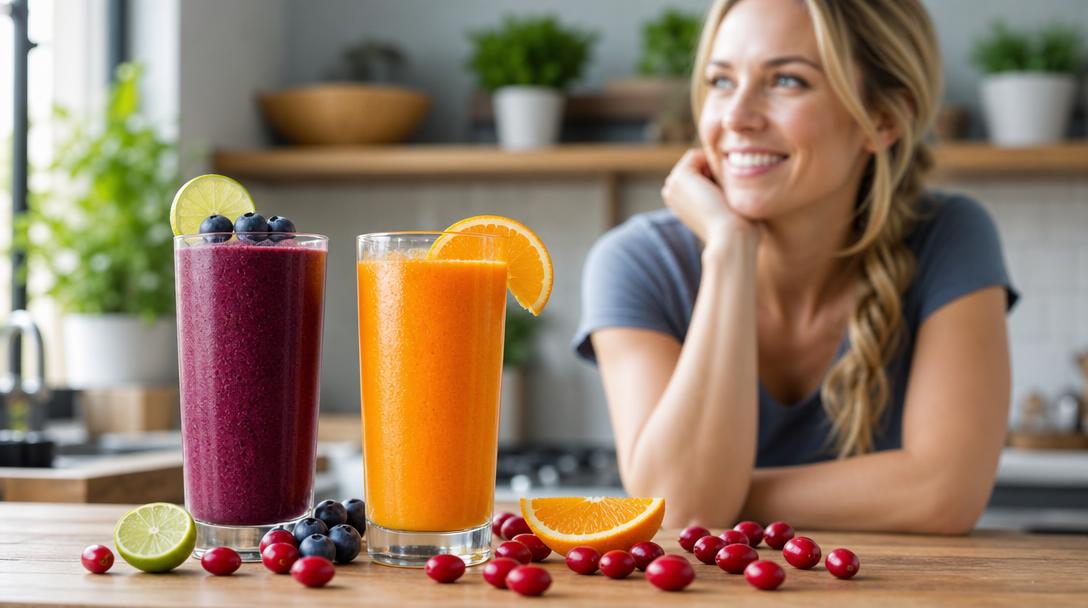
If you've ever tried cutting added sugar from your diet but found your smoothies turning into something that tastes more like a sour science experiment than a refreshing drink, you're not alone. The usual solution is to reach for honey, agave, or a scoop of flavored protein powder — but that quietly defeats the purpose. Here's a better approach: use naturally tart fruits and let miracle berry do the heavy lifting on sweetness. The result is a genuinely satisfying, no sugar added smoothie that doesn't taste like a compromise.
What Makes a Smoothie Feel Sweet Without Added Sugar
Sweetness in a smoothie comes from two sources: the natural sugars already present in fruit, and the way your taste receptors interpret flavor. Most people focus only on the first source and try to compensate for tart ingredients by loading in ripe bananas or dates. That works, but it also means packing in a lot of concentrated fruit sugar, which isn't ideal if you're watching your intake.
The second source — how your palate perceives flavor — is where miracle berry becomes genuinely interesting. Miracle berry contains a glycoprotein called miraculin that temporarily binds to taste receptors on your tongue and makes sour or tart flavors register as sweet. It doesn't add sugar. It doesn't change the fruit's actual composition. It simply shifts how you experience the flavor. So when you blend a handful of frozen cranberries or squeeze half a lemon into your smoothie after using a miracle berry tablet, your tongue reads that sourness as sweetness.
This makes it possible to build smoothies around tart, lower-sugar fruits that you'd normally never use without sweetener — and enjoy them fully.
Which Tart Fruits Work Best in This Approach
Not every tart fruit blends equally well, and some have textures or flavor profiles that suit smoothies better than others. Here are the ones worth keeping in your regular rotation:
Frozen cranberries are one of the best options. They're deeply tart, widely available, freeze beautifully, and give smoothies a rich jewel-red color. On their own, they're almost too sharp to enjoy raw — but after miracle berry, they taste almost like a sweet berry blend.
Green kiwi adds a bright, tangy edge and blends smoothly. It also contributes a creamy texture that pairs well with both citrus and berry bases. Yellow kiwi is sweeter naturally, so green kiwi is the better choice here.
Tart cherries (frozen) have a deep, complex flavor and blend into a thick, satisfying texture. They tend to be less sweet than sweet cherries, making them a good candidate for the miracle berry effect.
Citrus — lemon and lime juice work well in small amounts as flavor enhancers rather than a base. A squeeze of fresh lemon brightens any smoothie and, after miracle berry, it reads as a pleasant sweet-tart note rather than a sharp punch.
Passion fruit is intensely sour and aromatic. It works best blended with a neutral liquid base so its flavor doesn't overwhelm everything else, but the payoff in flavor depth is worth it.
Green apple brings a clean tartness and helps thin out thicker blends without adding the heaviness of banana.
Building Your Base: Combinations That Actually Work
Once you have your tart fruit picked, you need a liquid base and a creamy element to round out the texture. Here are three reliable starting combinations:
Cranberry + hibiscus tea + coconut water: Blend frozen cranberries with equal parts brewed hibiscus tea (cooled) and coconut water. Add a squeeze of lime. The result is a bright, floral smoothie that's vibrant in color and surprisingly complex in flavor after miracle berry.
Tart cherry + plain unsweetened yogurt + almond milk: This one comes out thick and creamy, almost like a drinkable dessert. The yogurt adds protein and a tangy depth that complements the cherry. Use a ratio of about one part yogurt to two parts almond milk for the right consistency.
Green kiwi + cucumber + lemon + coconut milk: A refreshing, lighter option. Cucumber keeps the texture smooth and adds hydration. Coconut milk gives it a gentle richness without overpowering the kiwi's brightness.
For all three, the key is to avoid adding banana, dates, or other sweet fruits as a crutch. Let the miracle berry experience do its job.
Texture Tips for a Smoothie That Feels Right
Flavor is only half the experience — texture matters just as much. A few practical notes:
Use frozen fruit rather than fresh whenever possible. It thickens the smoothie naturally and reduces the need for ice, which dilutes flavor. Frozen cranberries and tart cherries especially benefit from being used straight from frozen.
If your smoothie turns out too thick, thin it with coconut water or brewed herbal tea rather than fruit juice, which adds sugar. If it's too thin, add a spoonful of chia seeds and let the blender run for another 30 seconds — they absorb liquid quickly and create a thicker consistency.
A high-speed blender makes a noticeable difference with tart fruits. Cranberry skins and kiwi seeds can leave a gritty texture in a standard blender. If you don't have a high-powered blender, strain the smoothie through a fine mesh sieve for a silkier result.
How to Use Miracle Berry Products for Smoothies
MberryTW.org offers three forms that work slightly differently in this context. Miracle berry tablets are the most practical for personal use — dissolve one tablet on your tongue for about 30 to 60 seconds before drinking your smoothie, coating your taste receptors evenly. The effect lasts between 30 minutes and two hours depending on the individual.
Miracle berry powder is more versatile for group use or for incorporating into a recipe. You can stir a small amount into the smoothie itself, though the effect is generally milder than taking it sublingually as a tablet. For the strongest impact, use the powder as a tongue coating right before drinking.
Dried miracle berry is the whole-fruit format. Chew one piece and let the pulp coat your tongue before drinking. Many people find the whole-berry experience especially satisfying if they enjoy the ritual of it.
For smoothie sessions, tablets tend to be the most consistent and convenient starting point.
Frequently Asked Questions
Can I make these smoothies ahead of time and store them? Yes — blend your smoothie and store it in a sealed jar in the refrigerator for up to 24 hours. The flavor holds well, especially with tart fruits. Just shake or stir before drinking. The miracle berry experience needs to happen fresh, so take your tablet right before you drink it, not before blending.
Will the smoothies taste good without miracle berry if I forget to use it? Honestly, some combinations will taste quite sour without it — especially the cranberry and citrus-heavy ones. That's intentional. The whole point is that these recipes are designed to work with the miracle berry effect. Without it, you'd want to add a natural sweetener to enjoy them fully.
Is miracle berry powder or a tablet better for smoothie use? For most people, miracle berry tablets give a more consistent and noticeable effect because you're dissolving them directly on your tongue, which maximizes contact with your taste receptors. Powder stirred into a smoothie can work, but the intensity varies. If you're new to miracle berry, start with a tablet to get a clear sense of what the experience is like before experimenting with other formats.
Interested in miracle berry products, wholesale, or OEM cooperation? Contact Sen Yuh Farm to learn more.
Contact Sen Yuh Farm