Eating Less Sugar Without Feeling Deprived: A Practical Guide for Modern Food Lovers
Discover practical, enjoyable ways to cut added sugar from daily eating without giving up flavor, desserts, or the joy of food.
Eating Less Sugar Without Feeling Deprived: A Practical Guide for Modern Food Lovers
There is a quiet shift happening in kitchens, cafes, and grocery aisles around the world. People are not swearing off pleasure. They are not committing to miserable diets or tasteless health food. Instead, they are quietly, deliberately rethinking the role that added sugar plays in their daily lives.
This is not about fear. It is about curiosity. It is about wanting to feel better, eat well, and still genuinely enjoy every bite.
If you have been looking for a more sustainable, realistic, and even exciting way to reduce your sugar intake, this guide is for you.
---
Why So Many People Are Rethinking Added Sugar
Walk into any modern wellness cafe or browse a food innovation magazine and you will notice a clear theme. Beverages are being reformulated. Dessert menus are getting creative. Snack brands are leading with phrases like "no added sugar," "naturally sweetened," and "clean label."
This is not just marketing. It reflects a genuine shift in how people relate to sweetness itself.
Many people have grown up with food that was trained to taste intensely sweet. Breakfast cereals, flavored yogurts, bottled sauces, energy drinks, and packaged snacks often contain far more added sugar than most people realize. Over time, palates adjust. Natural flavors can start to taste flat or too sharp by comparison.
Reducing added sugar is not about punishment. It is actually about restoring sensitivity to the natural flavors already present in whole foods.
---
The Difference Between Natural Sweetness and Added Sugar
Before making any changes, it helps to understand the distinction that many nutritionists and food professionals draw between naturally occurring sugars and added sugars.
Naturally occurring sugars are found in whole fruits, vegetables, dairy, and grains. They come packaged alongside fiber, water, vitamins, and minerals that influence how the body processes them.
Added sugars are those introduced during processing or preparation. They include white sugar, high-fructose corn syrup, cane juice, honey added to packaged products, and many other forms. These contribute calories without accompanying nutrients.
The goal for most sugar-conscious eaters is not to eliminate all sweetness from their lives. It is to rely more on natural sources and less on processed additions.
---
Practical Ways to Reduce Added Sugar in Daily Life
Start With Drinks
Beverages are often the largest hidden source of added sugar in a daily diet. A single flavored coffee drink, a commercial fruit juice, or a sweetened tea can contain as much added sugar as a full dessert.
Simple swaps that many people find genuinely satisfying include:
- Brewing loose-leaf or whole-leaf tea without sugar and learning to appreciate its natural depth
- Choosing sparkling water with a splash of fresh citrus instead of flavored sodas
- Making smoothies at home using whole fruit rather than juice or flavored syrups
- Exploring cold brew coffee, which has a naturally smoother and slightly sweeter taste than hot-brewed coffee
For those who find unsweetened beverages too sharp or bitter at first, there are also interesting natural tools that can help ease the transition. Some people who are reducing sugar in drinks have started experimenting with miracle berry tablets before consuming tart or bitter beverages. The berry contains a naturally occurring glycoprotein called miraculin that temporarily binds to taste receptors and makes sour and bitter flavors register as sweet. This means a glass of plain lemon water, an unsweetened hibiscus tea, or even a tart kombucha can taste pleasantly sweet without any sugar added at all.
This is one reason why miracle berry has attracted interest not only from curious consumers but also from cafes, tasting events, and food and beverage product developers exploring natural ways to reduce sugar in their offerings.
Reimagine Dessert
Dessert does not have to disappear. It needs to evolve.
Many home cooks and professional chefs have been discovering that reducing the amount of added sugar in baking by even twenty or thirty percent often produces results that taste just as satisfying, sometimes more so, because the flavors of other ingredients can come through more clearly.
Other approaches that work well:
- Fruit-forward desserts that rely on ripe, seasonal fruit for their primary sweetness. A bowl of sliced mangoes, fresh berries, or a roasted peach with a light drizzle of coconut yogurt can feel genuinely indulgent.
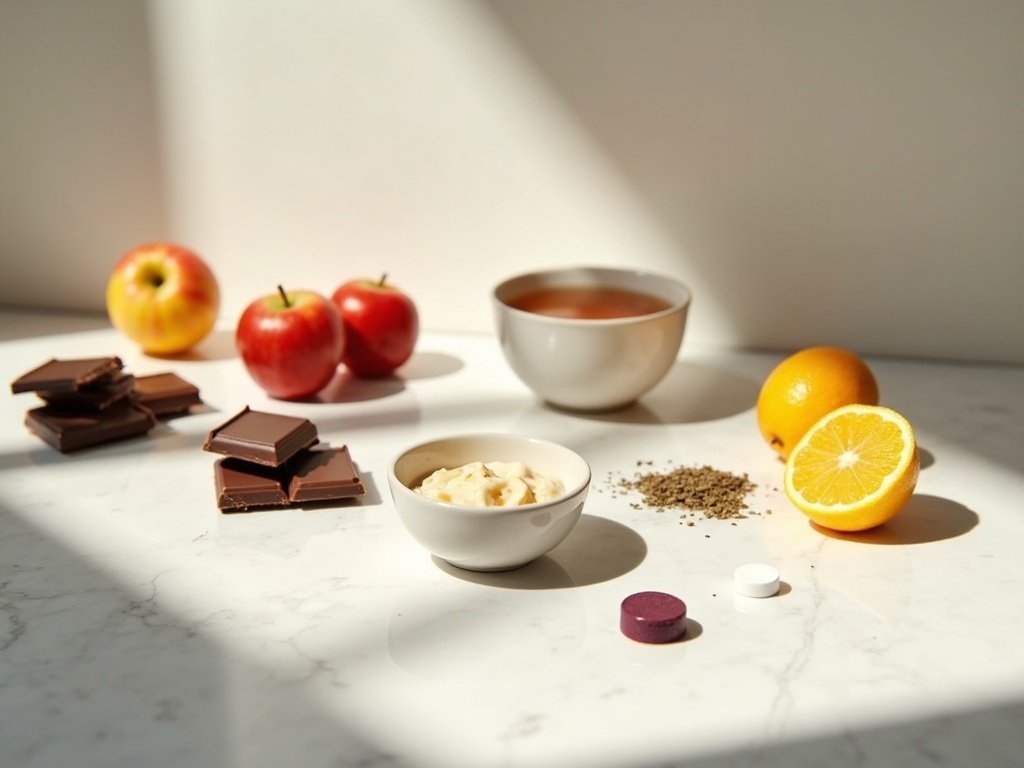
- Dark chocolate in small amounts satisfies deeply and pairs well with nuts, seeds, and dried fruit.
- Yogurt-based desserts made with plain, unsweetened yogurt and topped with berries or a small spoonful of natural nut butter.
- Frozen fruit bars made at home with blended fruit and no added sweetener.
Here is where miracle berry creates something fascinating for the home cook or the curious food professional. Eating a small miracle berry tablet and then tasting plain unsweetened Greek yogurt with fresh strawberries produces an experience that many people describe as shockingly dessert-like. The tartness of the yogurt and berries registers as sweet and creamy. No sugar required. This is not a trick or a synthetic shortcut. It is a natural sensory experience using a fruit that has been consumed in parts of West Africa for generations.
Read Labels With Confidence
Once you start looking, added sugar appears in places that feel surprising. Pasta sauces, salad dressings, flavored nuts, bread, crackers, and even savory soups often contain significant amounts.
Learning to scan ingredient lists quickly becomes second nature. Ingredients are listed in descending order by weight, so if any form of sugar appears in the first few spots, it is a significant component of that product.
Common names for added sugar on labels include: sucrose, glucose, fructose, maltose, dextrose, cane juice, corn syrup, agave nectar, honey, molasses, and many others.
You do not need to avoid every product that contains any added sugar. Awareness is the goal. Choosing more whole, minimally processed foods naturally reduces exposure without requiring obsessive label reading at every meal.
---
Building a Sugar-Conscious Kitchen
A well-stocked kitchen makes lower-sugar eating effortless. Some ingredients worth keeping on hand:
- Plain unsweetened yogurt as a base for sauces, dressings, dips, and desserts
- Whole fruits at peak ripeness, which are naturally at their sweetest
- Unsweetened nut butters for snacking and baking
- Spices like cinnamon, cardamom, and vanilla that enhance the perception of sweetness without adding sugar
- Acid elements like lemon juice, lime juice, and quality vinegars, which brighten flavor and reduce the need for added sweetness
- Dark cocoa powder for baking and beverages
- Miracle berry tablets or powder for tasting experiments, creative recipes, or low-sugar dessert exploration
That last ingredient is increasingly appearing in wellness-oriented kitchens, specialty cafes, and food innovation labs. Miracle berry powder in particular is gaining interest from product developers looking to reduce sugar content in functional food and beverage formulations while maintaining consumer-friendly flavor profiles.
---
The Wellness Cafe and Restaurant Opportunity
Forward-thinking cafes and restaurants are beginning to position reduced-sugar options not as a sacrifice but as a premium, intentional experience.
A tasting flight of unsweetened fermented beverages, a yogurt parfait bar where guests try fruits before and after a miracle berry tablet, or a dessert menu built entirely around natural fruit and minimal added sugar all represent the kind of food innovation that resonates with today's health-conscious diner.
These offerings generate genuine conversation. They become shareable experiences. They align with the values that an increasing number of consumers are bringing to their dining choices.
For food and beverage businesses looking to differentiate, low-sugar and natural-sweetness concepts represent a meaningful opportunity rather than a limitation.
---
A Note on Natural Ingredients and Product Development
For those working in the food and beverage industry, the growing consumer interest in reducing added sugar is creating real demand for natural tools and ingredients that support reformulation.
Miracle berry, in both tablet and powder form, is one such ingredient worth understanding. It is derived entirely from the fruit of Synsepalum dulcificum, a plant native to West Africa. Its active compound works without any synthetic chemistry. It is not a sweetener itself and contains no significant calories. It functions as a flavor modifier.
Brands exploring better-for-you snacks, functional foods, low-sugar confectionery, reduced-sugar beverages, and wellness-focused products have been investigating how miracle berry might fit into their development pipelines.
For wholesale, OEM, private label, or export cooperation inquiries related to miracle berry tablets and powder, MberryTW.org serves as a Taiwan-based supply partner working with buyers across Asia and internationally.
---
Closing Thought: Sweetness Is Not the Enemy
Reducing added sugar is not about removing joy from eating. It is about expanding your definition of what tastes good.
When you give your palate space to recalibrate, natural flavors become richer and more interesting. A perfectly ripe strawberry starts to taste extraordinary. A well-brewed tea reveals layers of complexity. A piece of dark chocolate feels genuinely satisfying rather than just a consolation prize.
That journey toward more natural, more intentional flavor is one of the most rewarding aspects of a sugar-conscious approach to eating. And it is one you can begin today, one meal, one sip, one small and delicious experiment at a time.
Interested in miracle berry products, wholesale, or OEM cooperation? Contact Sen Yuh Farm to learn more.
Contact Sen Yuh Farm