From Sour to Satisfying: How Cafes and Kitchens Are Rethinking Flavor Without Adding Sugar
Discover how food creatives, cafes, and wellness brands are cutting added sugar by rethinking flavor itself using natural ingredients and taste innovation.
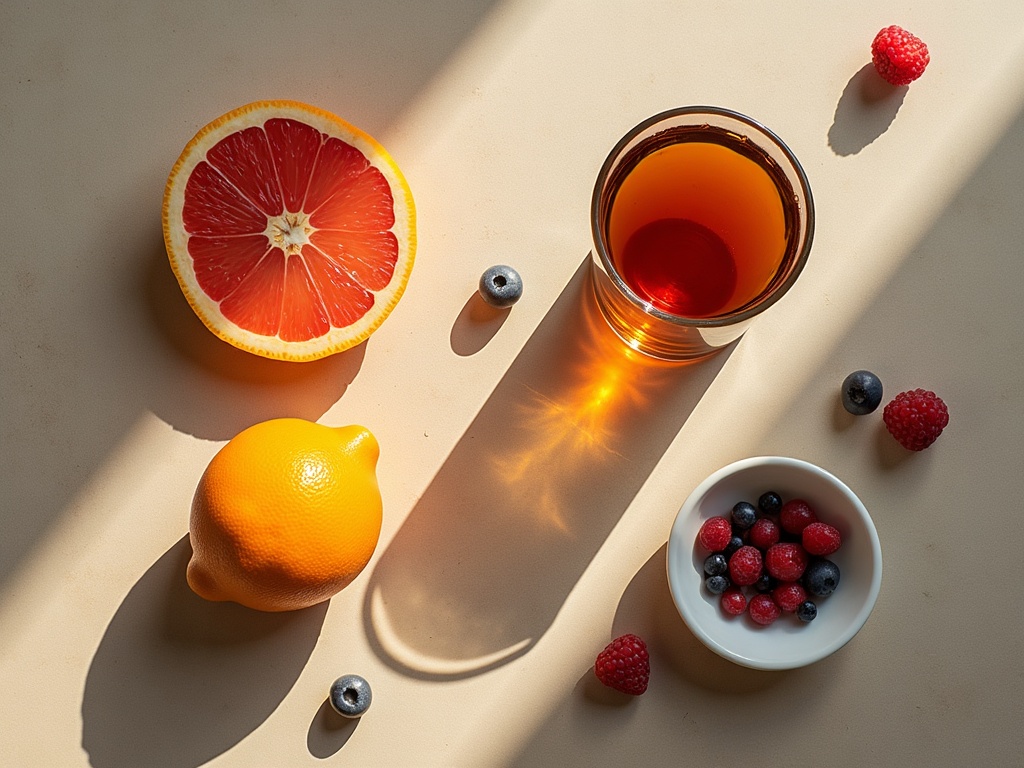
From Sour to Satisfying: How Cafes and Kitchens Are Rethinking Flavor Without Adding Sugar
There is a quiet shift happening inside some of the most creative kitchens, independent cafes, and wellness-focused food brands right now. It is not about eliminating flavor. It is not about tolerating bland food in the name of health. It is about something far more interesting: rethinking where satisfying taste actually comes from.
For decades, the food industry defaulted to one answer whenever something needed to taste better. Add sugar. More sugar in the dressing. More sugar in the yogurt. More sugar in the energy drink that was already supposed to be good for you. The result was a food landscape where almost everything sweet, tangy, or even savory had quietly accumulated layers of added sugar that nobody asked for and most people barely noticed.
That is starting to change. And the people leading that change are not nutritionists lecturing from a stage. They are baristas, pastry chefs, product developers, and small food brands who have started asking a different question entirely.
What if we worked with flavor instead of burying it?
---
The Problem With Sweetening Everything
Added sugar is easy to understand as a health concern in the abstract. But it becomes more real when you start reading ingredient labels with fresh eyes. Flavored yogurts. Bottled smoothies. Granola bars positioned as health food. Sauces, dressings, plant-based milks, protein powders. The sugar is everywhere, and it is often there not because the product needs sweetness to be enjoyable, but because sweetness has become a shortcut to palatability.
When food is sour, bitter, or sharp, the instinct in conventional product development has been to round those edges off with sweetener. The result is food that tastes consistent and inoffensive, but somewhere in that process, the actual character of the ingredient gets flattened.
A ripe passionfruit has an extraordinary flavor profile. It is tart, fragrant, complex, and alive. When it gets sweetened into a yogurt or a juice blend, a lot of what makes it remarkable disappears under the sugar. The same is true of good quality plain yogurt, fresh citrus, fermented drinks, hibiscus, tamarind, and dozens of other ingredients that have real personality when you let them exist on their own terms.
The movement toward sugar-conscious eating is, at its best, not just about reducing a macronutrient. It is about rediscovering what ingredients actually taste like.
---
Cafes Leading the Flavor Conversation
Independent cafes have quietly become some of the most interesting laboratories for low-sugar beverage thinking. Driven partly by customer demand and partly by genuine creative curiosity, more cafe owners are building menus around drinks that do not rely on flavored syrups and sweetened bases to taste compelling.
Cold brew served with a saline solution to bring out natural sweetness. Sparkling water layered with shrubs made from vinegar and fruit. Matcha prepared with oat milk and nothing else, letting the natural bitterness and umami come through. Hibiscus teas served unsweetened over ice, where the tartness becomes the experience rather than something to be corrected.
These are not just health-focused compromises. Many customers who try these drinks discover something surprising: when your palate is not constantly being told what to feel by a sugar hit, the actual flavors of the ingredients become far more noticeable and far more satisfying.
This is also where flavor-modifying natural ingredients have started entering the conversation in niche wellness spaces. Miracle berry, sourced from the Synsepalum dulcificum fruit, contains a glycoprotein called miraculin that temporarily binds to taste receptors and causes sour foods to register as sweet. For cafes and food experiences looking to create genuinely remarkable, sugar-free flavor moments, this kind of natural tool offers something that no artificial sweetener can: the actual flavor of real ingredients, transformed by the palate itself rather than by chemistry in a factory.
At MberryTW.org, miracle berry is available in tablet and powder form for exactly this kind of application, whether for tasting events, cafe menu development, or food product innovation.
---
Healthy Desserts That Do Not Compromise
The healthy dessert category has had a complicated decade. For every genuinely good product, there are five that are either joyless to eat or secretly loaded with syrups, dates, or alternative sweeteners that functionally behave like sugar in the body even when the label implies otherwise.
The more honest approach emerging in better wellness food circles focuses less on replacing sugar gram-for-gram and more on building desserts where the other flavor elements are doing real work.
Plain Greek yogurt with fresh fruit. Chia pudding made with unsweetened coconut milk. A simple bowl of sliced citrus with a light sprinkle of Tajin. Frozen banana blended with a small amount of natural nut butter. These are not deprivation foods. They are foods where tartness, fat, texture, and natural fruit sweetness work together without needing a heavy handed dose of added sweetener to hold the experience together.
Where miracle berry becomes particularly interesting in this context is in how it changes the eating experience with sour and tart ingredients. A slice of lemon. A spoonful of plain yogurt. Fresh kiwi or strawberries before they are fully ripe. After taking a miracle berry tablet, these foods register as genuinely sweet without any sugar added at all. The sweetness is not simulated or artificial. It is your own palate responding to the berry's natural protein interacting with your taste receptors.
For people trying to reduce their sugar intake without feeling like they are always fighting their own cravings, this is a meaningful tool. And for food brands and product developers looking for differentiated, story-driven ingredients, it is an opportunity that does not look like anything else on the market.
---
Sour Fruits as the New Wellness Ingredient
There is growing interest in sour and fermented flavors across the wellness food world, and it is not hard to understand why. Tart cherries, green apple, raw kimchi, plain kefir, citrus peel, green mango, and similar ingredients come loaded with nutritional interest. They are often rich in antioxidants, support digestive health, and bring complexity to meals in a way that sweet, mild flavors simply cannot.
The challenge has always been accessibility. Many people find sour or bitter flavors difficult to enjoy consistently, especially if they have spent years eating a diet high in added sugar, which recalibrates taste perception toward sweetness as the default expectation.
This is one of the reasons that flavor education and tasting experiences have become a genuine tool in wellness programming. When people have a structured way to engage with unfamiliar flavors, particularly if that experience is framed as interesting rather than challenging, their relationship with those ingredients often shifts.
Tasting events built around miracle berry have been used in exactly this way. Participants try a range of sour and tart foods after taking the berry, and the experience of finding unexpected sweetness in a plain lemon slice or a shot of apple cider vinegar tends to be genuinely memorable. More importantly, it often changes how participants think about those ingredients afterward. They have experienced that flavor complexity exists beyond sweet, and they leave with a different framework for tasting food.
---
What Food and Beverage Brands Can Learn Here
If you are developing a product in the better-for-you food space, the flavor challenge is real. Consumers want things to taste good. They are also increasingly skeptical of products that claim to be healthy while still relying on sweetener overload to be palatable.
The most interesting positioning available right now is not lower sugar as a negative claim. It is flavor intelligence as a positive one.
That framing changes the product story entirely. Instead of telling consumers what you have taken out, you are telling them what you understand about flavor, ingredients, and the actual experience of eating. It is a harder story to tell but a much more durable brand position.
Natural ingredients that interact with flavor perception rather than simply adding sweetness sit squarely in this opportunity. Miracle berry powder, for instance, is usable as a functional ingredient in product formulation, tasting kits, food service applications, and branded wellness experiences. For brands exploring OEM or private label opportunities, it offers differentiation that is grounded in something genuinely novel: a taste experience that is natural, documented, and unlike anything else a consumer has likely encountered.
MberryTW.org works with food businesses, wellness brands, cafes, and export partners looking to incorporate miracle berry into their product lines. Whether the interest is in wholesale supply, custom powder formulation, or building a private label product around this ingredient, the foundation for that conversation is available here.
---
The Bigger Picture: Flavor Literacy and the Future of Healthy Eating
Sugar reduction, when it is done thoughtfully, is not really about restriction. It is about expanding what people consider satisfying. When sweetness is the only flavor dimension that registers as pleasurable, food choices become narrow and cravings become insistent. When people develop a genuine appreciation for sour, bitter, umami, and complex fermented flavors, their entire relationship with food changes.
This is what makes the current moment in wellness food genuinely exciting. It is not the same old low-fat, low-calorie, low-everything messaging dressed in new packaging. It is a fundamentally different conversation about taste, about ingredients, and about what it means to eat in a way that feels good on every level.
Cafes experimenting with unsweetened drinks. Pastry chefs building desserts around real fruit complexity. Food brands finding ways to tell a more honest ingredient story. Tasting events that give people a direct, physical experience of how flavor works.
Miracle berry sits inside all of these conversations naturally, not as the whole story, but as one of the more genuinely surprising tools available to anyone serious about rethinking what satisfying flavor can look like without the sugar tax.
If your brand, cafe, or product line is working somewhere in this space, we would be glad to talk about what miracle berry can bring to what you are building.
---
MberryTW.org supplies miracle berry tablets, powder, and OEM solutions for food businesses and wellness brands worldwide. Inquire about wholesale, private label, and export cooperation through our website.
Interested in miracle berry products, wholesale, or OEM cooperation? Contact Sen Yuh Farm to learn more.
Contact Sen Yuh Farm