Best Fruits to Pair with Miracle Berry: Your Ultimate Taste-Tripping Guide
Discover the best fruits to pair with miracle berry — from strawberries to tamarind — and why acidity is the secret to an unforgettable flavor experience.
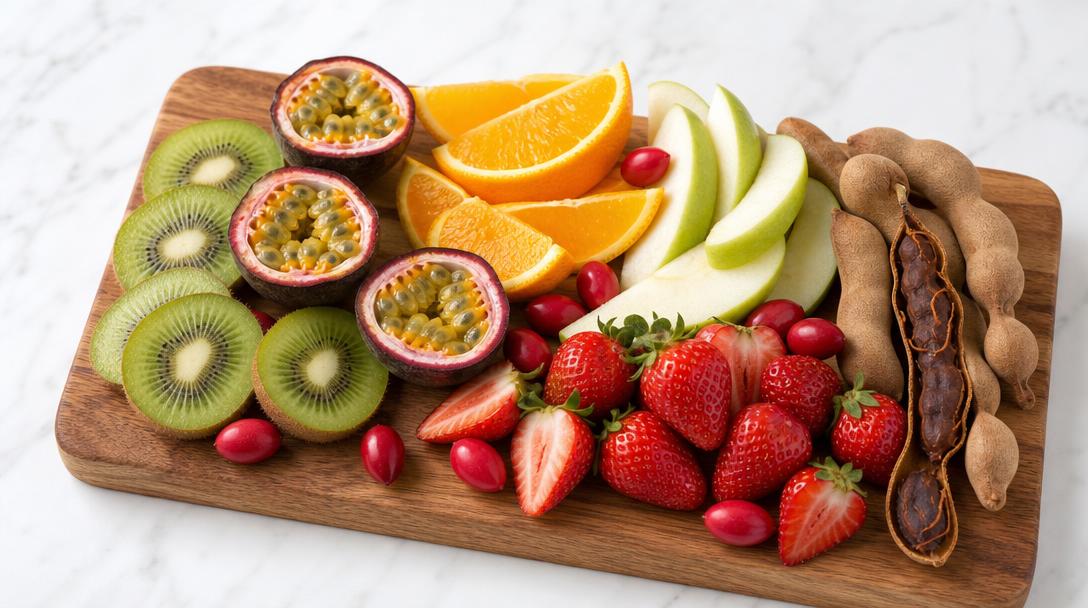
If you have ever placed a miracle berry tablet on your tongue and let it dissolve slowly, you already know the anticipation that follows. That coating of miraculin — the glycoprotein found in miracle berries — temporarily reshapes how your taste receptors interpret sour and acidic foods, turning sharp, puckering flavors into something surprisingly sweet. The effect can last anywhere from fifteen minutes to well over an hour, and what you eat during that window makes all the difference. Choosing the right fruits is not just a fun experiment; it is the heart of the whole experience. The key variable? Acid level. The more naturally acidic a fruit is, the more dramatic and satisfying the transformation tends to be.
Why Acidity Is the Secret Ingredient
Miraculin works by binding to sweet taste receptors on your tongue and activating them specifically in the presence of an acidic (low pH) environment. This means that a neutral or already-sweet fruit — think ripe banana or sweet melon — will not produce much of a noticeable change. The berry's magic is essentially wasted on low-acid foods. But hand it a fruit bursting with citric acid, malic acid, or tartaric acid, and the result is something close to culinary wizardry. Sour becomes sweet. Sharp becomes luscious. That is why building your tasting plate around high-acid fruits is the smartest move you can make for a memorable flavor-tripping session.
Strawberries: The Classic Starting Point
Strawberries are almost universally recommended as the first fruit to try after letting a miracle berry tablet dissolve, and for good reason. A slightly underripe strawberry — the kind that would normally make you wince — transforms into what many people describe as the most intensely sweet strawberry candy they have ever tasted, yet it still carries that fresh, real-fruit brightness underneath. Even a fully ripe strawberry becomes noticeably sweeter and more aromatic. The texture stays the same, so the experience of biting into a plump, glossy berry while tasting something closer to strawberry jam is genuinely surprising every time. Strawberries are accessible, inexpensive, and almost universally available, which makes them the perfect anchor for any miracle berry tasting plate.
Citrus Fruits: Big Acid, Big Payoff
If strawberries are the warm-up, citrus fruits are the main event. Lemon wedges, lime slices, grapefruit segments, and even plain orange quarters all react strongly with miraculin because their citric acid content is so high. Biting directly into a lemon wedge after the berry has had time to work is a rite of passage in the flavor-tripping world. What should produce an eye-watering sourness instead delivers something reminiscent of sweet lemonade — minus any added sugar. Grapefruit, which carries both bitterness and acidity, shifts into a surprisingly mellow, almost tropical sweetness. Even the pithy white parts become less offensive. For anyone who loves citrus flavors but finds the acidity uncomfortable, pairing citrus with miracle berry tablets offers a genuinely different way to enjoy these fruits.
Kiwi and Green Apple: Bright, Layered Sweetness
Kiwi sits in a lovely middle ground — it has a pleasant tartness backed by floral, tropical notes that miraculin amplifies beautifully. After the berry kicks in, a firm kiwi slice tastes like it has been drizzled with honey while keeping all of its characteristic green, almost herbal freshness. The experience is layered rather than one-dimensional, which makes kiwi one of the more sophisticated fruits to include on a tasting plate.
Green apple, with its sharp malic acid profile, is another standout. Varieties like Granny Smith are almost aggressively tart on their own, but after miracle berry they take on a candy-apple sweetness that is shockingly convincing. Unlike some fruits that just taste uniformly sweet after the transformation, green apple keeps a gentle tart backbone that keeps things interesting. It is also great paired with a small cube of sharp cheddar for a more adventurous snack combination.
Passion Fruit and Tamarind: The Bold Experiments
For those who want to push the experience further, passion fruit and tamarind are where things get truly remarkable.
Passion fruit carries a dense, almost perfumed sourness that can be polarizing on its own. After miracle berry, scooping the pulp straight from the shell delivers a concentrated, tropical sweetness that is unlike anything you can easily replicate with sugar. It retains that floral, exotic character while dropping nearly all of the face-scrunching sharpness. Many people who have tried this combination describe it as one of the highlights of the entire experience.
Tamarind is the wild card. Raw tamarind paste or fresh tamarind pulp has an intense, tangy sourness with underlying notes of caramel and dried fruit. After miracle berry tablets have done their work, that sourness flips into something resembling a rich, date-like sweetness with savory depth — almost like a naturally sweet barbecue note. It is unusual, complex, and deeply satisfying for adventurous palates. If you can source fresh or minimally processed tamarind (avoid heavily salted preparations), it earns a spot on any serious tasting plate.
Building Your Perfect Miracle Berry Tasting Plate
The most enjoyable sessions are the ones that move through a range of acid intensities, giving you a sense of contrast and progression. A good approach is to start milder — sliced strawberries or kiwi — and work your way up to lemon wedges and tamarind. This helps you appreciate how the transformation differs across fruit types rather than overwhelming your palate immediately with maximum acidity.
Keep your serving portions small. You want to taste widely without filling up too fast. A few slices of each fruit on a wooden board or a simple white plate looks beautiful and keeps the experience feeling intentional and special.
If you are using miracle berry powder rather than a whole tablet or dried miracle berry, you can coat sliced fruits directly or mix the powder into a small dipping sauce — an interesting variation that works particularly well with citrus and green apple.
FAQ
Q: How long does the miracle berry effect last when pairing with fruits? A: The duration varies by person, but most people find the effect lasts between 20 minutes and 90 minutes. Factors like how thoroughly you coat your tongue during activation and individual taste receptor sensitivity both play a role.
Q: Can I use miracle berry powder instead of tablets for a fruit tasting session? A: Yes. Miracle berry powder works the same way — it contains the same miraculin protein. You can let it dissolve on your tongue directly, or experiment with mixing it into a light glaze for fruit slices. Tablets and dried miracle berry are simply different delivery formats for the same core experience.
Q: Are there fruits I should avoid pairing with miracle berry? A: Very sweet, low-acid fruits like ripe banana, honeydew melon, or ripe mango will not produce a noticeable transformation since there is little sourness for miraculin to work with. They are not harmful to eat, they just will not give you that signature flavor-flip moment. Save those for before or after your tasting session.
Interested in miracle berry products, wholesale, or OEM cooperation? Contact Sen Yuh Farm to learn more.
Contact Sen Yuh Farm